



Push Button Switches
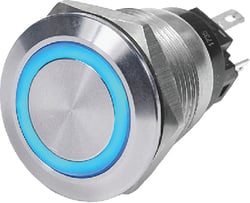

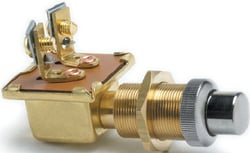

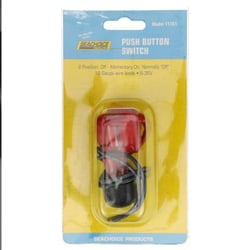

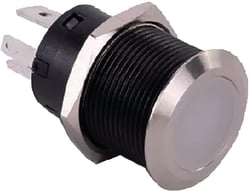

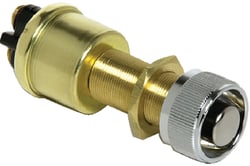
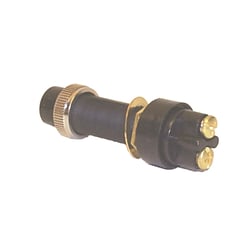
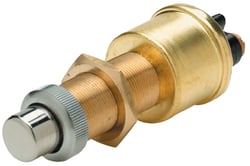
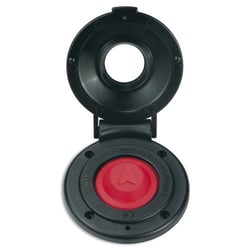

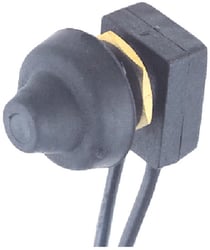

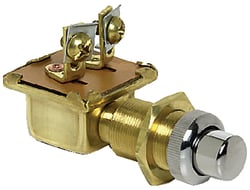
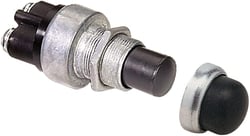

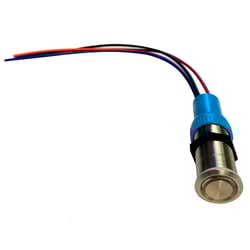
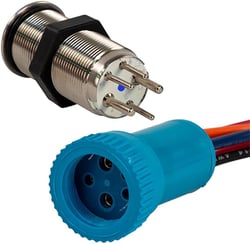

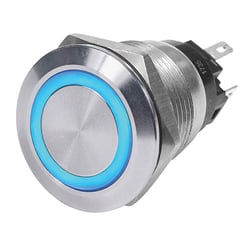
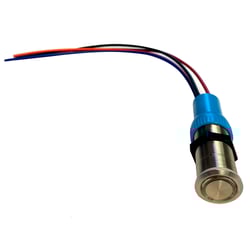
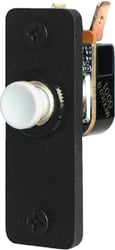
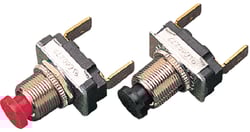
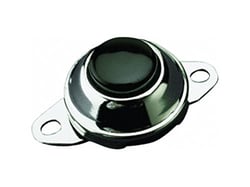
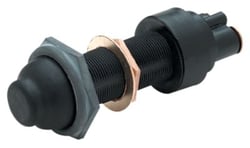
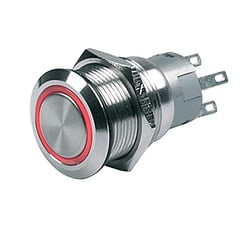
BEP Marine 80-511-0006-00 Push Button Switch 24V Momentary (ON)/OFF Red LED

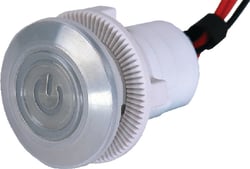

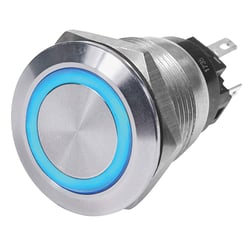

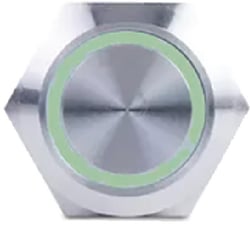

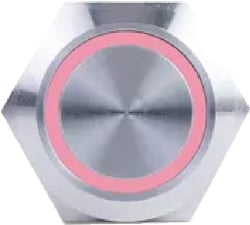
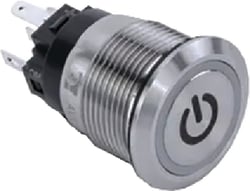
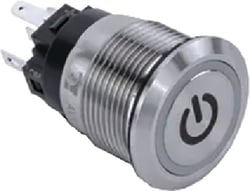

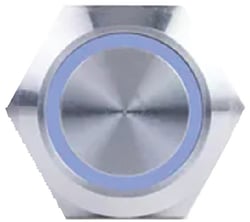
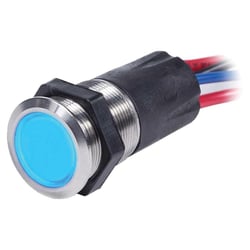
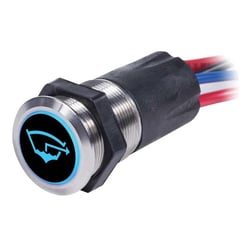
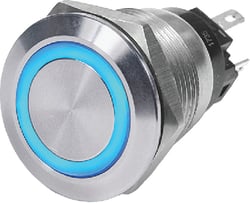
Blue Sea Systems 4181BSS Momentary Push Button Switch 15A Off-(On) with Backlight
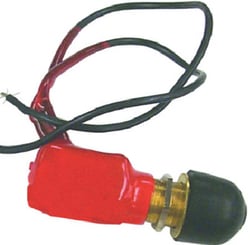
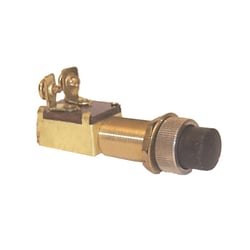
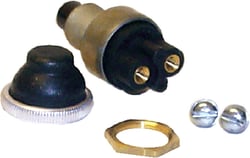
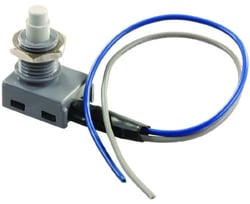

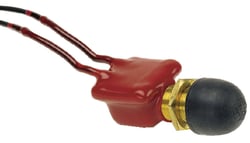
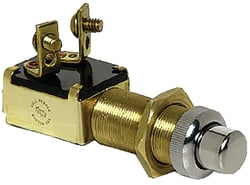
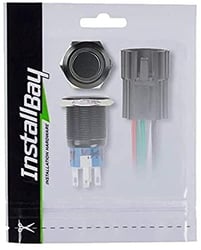

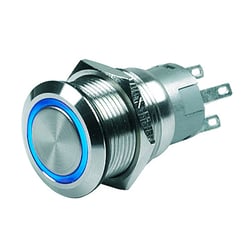
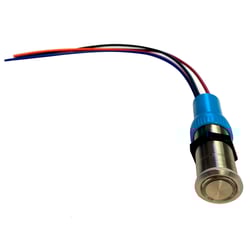
Bluewater 9059-3114-4 22mm Push Button Switch Nav/Anchor Contact Waterproof LED
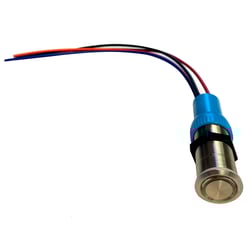
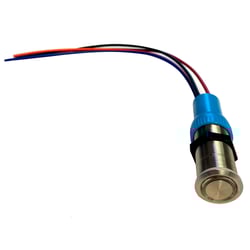
Bluewater 9059-2113-4 22mm Momentary Push Button Switch IP69K Waterproof Blue/Red LED
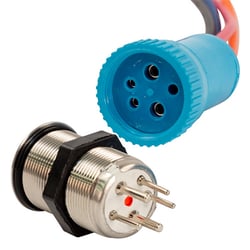
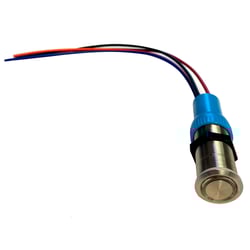
Bluewater 9059-1113-4 22mm Waterproof Push Button Switch On/Off Blue/Red LED
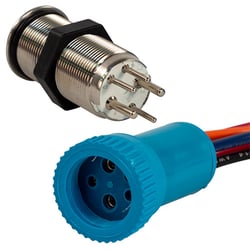
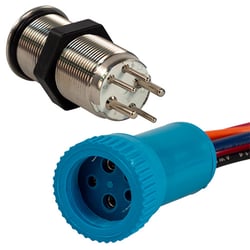
Bluewater 9057-2123-4 19mm Push Button Switch Momentary IP69K Waterproof LED
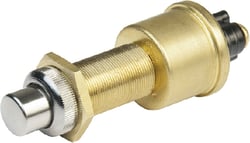
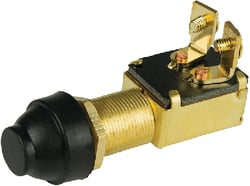
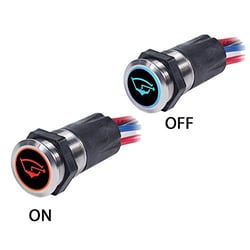
- 1
- 2
What Are Push Button Switches?
Push button switches are among the most fundamental yet indispensable components in any marine, automotive, or electrical system. At their core, push button switches complete or break an electrical circuit when pressed — but the variety of designs, ratings, and configurations available makes choosing the right one a surprisingly nuanced task. Whether you're replacing a worn horn button on a boat dash, wiring a new ignition starter, or controlling a bilge pump, understanding the differences between switch types is the first step toward a safe, reliable installation.
Types of Push Button Switches
The two most common operating modes are momentary and latching. A momentary push button switch only activates a circuit while the button is held down — the moment you release it, the circuit opens again. This makes momentary switches ideal for applications like engine starters, horns, and bilge pump activation. A latching (or maintained) switch, by contrast, stays in its activated state until pressed again, functioning more like a traditional on/off control.
Beyond actuation type, push button switches differ in their circuit configurations. SPST (Single-Pole Single-Throw) switches control a single circuit, while SPDT (Single-Pole Double-Throw) switches can route power between two outputs. Push-pull switch designs add even more versatility, allowing multiple operating positions from a single unit — commonly used to manage separate circuits for anchor lights and running lights simultaneously.
Why Quality Matters in Marine & Automotive Environments
Electrical switches in marine and automotive settings face conditions that would quickly degrade lesser components. Saltwater exposure, UV radiation, vibration, and moisture ingress are constant threats. That's why purpose-built push button switches for these applications feature corrosion-resistant housings, sealed contacts, and weather-resistant boots or caps. Switches rated to IP67 or higher are designed to prevent water ingress, making them particularly important for below-deck and cockpit installations on boats. For engine starter and high-current applications, it's equally important to verify a switch's amperage rating — many marine-grade push buttons are rated at 12A to 30A or more at 12V DC to safely handle inrush currents.
Key Considerations When Shopping
- Actuation type: Momentary for temporary functions (horns, starters); latching for continuous-on applications (lights, accessories)
- Circuit configuration: SPST for single-circuit control; SPDT or push-pull for multi-circuit applications
- Current rating: Match amperage to the load — starter and horn circuits demand higher-rated switches
- IP/weatherproofing rating: Critical for marine, outdoor, and engine-bay applications
- Illumination: Illuminated push buttons with LED halos make it easier to locate controls in low-light conditions
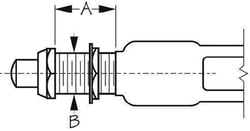
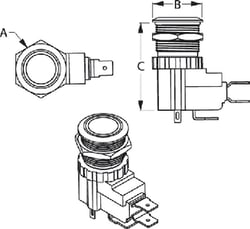
- Panel thickness & mounting: Verify stem length and thread diameter match your dash or panel
Top Brands in Push Button Switches
Sierra is a widely trusted name in marine electrical components, known for products that meet or exceed OEM standards. Their illuminated push button switch lineup features stainless-steel construction with halo LED options and quick-connect tab terminals designed for straightforward DIY installation on boat dashboards.
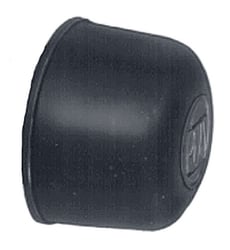
Seachoice offers a practical range of heavy-duty marine push button switches engineered for the demands of on-water use. Their momentary switches feature non-corrosive polyester bodies, silver contacts, and moisture-proof rubber caps — available in configurations suited for horn, starter, and general-purpose panel applications.
Standard Motor Products brings decades of expertise in OEM-quality electrical components to this category. Trusted by professional technicians for automotive applications, their switches are built to precise specifications for reliable circuit control in vehicle electrical systems.