



Reducers

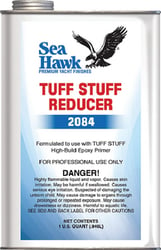
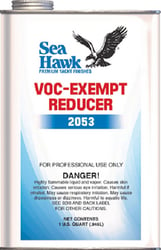
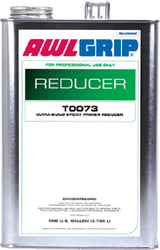
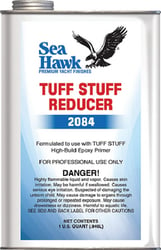

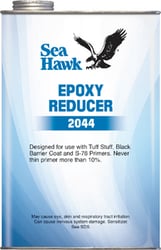
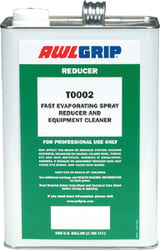
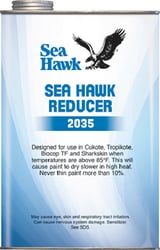
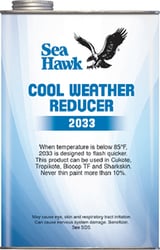
 Representative Photo, actual item may vary

 Representative Photo, actual item may vary
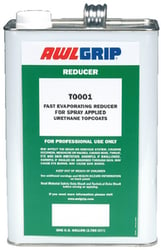
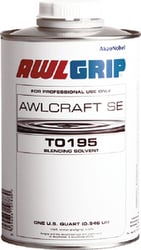
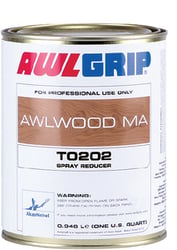
 Representative Photo, actual item may vary

 Representative Photo, actual item may vary
 Representative Photo, actual item may vary
 Representative Photo, actual item may vary
 Representative Photo, actual item may vary
 Representative Photo, actual item may vary
 Representative Photo, actual item may vary
 Representative Photo, actual item may vary
What Are Marine Paint Reducers and Why Do They Matter?
A paint reducer is far more than a simple thinner — it is a precision tool that directly shapes the quality of your final finish. Reducers are specialized solvents engineered to adjust the viscosity and flow properties of marine coatings, ensuring proper atomization when spraying, smooth leveling when brushing, and controlled dry times regardless of ambient conditions. Get the reducer wrong and you risk fisheyes, poor adhesion, orange-peel texture, or a coating that simply won't cure correctly.
In the demanding world of marine and RV coatings, where surfaces are constantly exposed to UV radiation, salt water, moisture, and temperature swings, using the right reducer is critical. Marine paint reducers are formulated to maintain the chemical integrity of the coating system they accompany — always match your reducer to your paint manufacturer's recommendation, as using an incompatible solvent can cause paint defects or damage the coating entirely.
Brushing vs. Spray Reducers: Understanding the Difference
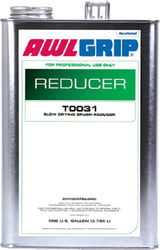
Not all reducers serve the same purpose. A brushing reducer slows evaporation time, keeping the paint film open longer for better flow and leveling while minimizing brush marks and roller stipple. A spray reducer, on the other hand, evaporates more quickly to maximize atomization through spray equipment and allow the coating to dry before dust settles on the film. Temperature and humidity are also key variables: slow reducers are designed for warm or humid conditions, while fast reducers suit cooler environments where you need the coating to flash off more quickly.
Beyond application method, reducers play a role in surface preparation and equipment cleanup. Many manufacturer-approved reducers double as wipe-down solvents for removing surface contaminants before painting, and are ideal for cleaning spray guns, brushes, and rollers once the job is done.
Top Brands for Marine Paint Reducers
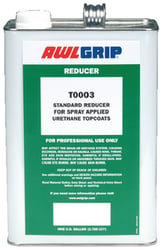
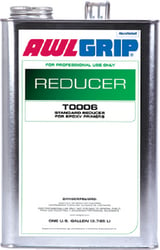
Awlgrip is the undisputed leader in this category. Originally developed as an aircraft coating, Awlgrip has been a trusted marine coating system since 1973 and offers one of the most comprehensive reducer lineups available — including fast, medium, and slow topcoat reducers as well as dedicated primer reducers for epoxy systems. Whether you're spraying Awlcraft 2000 in a professional boatyard or brush-rolling a 545 Epoxy Primer, there's a purpose-built Awlgrip reducer for the job.
Seahawk Paints rounds out its complete marine coating ecosystem with a thoughtful selection of reducers matched to its popular antifouling and bottom paint lines. Seahawk offers both cool- and hot-weather formulations — such as the Reducer 2033 for temperatures below 85°F and the 2035 for high-heat conditions — ensuring proper flash times for a range of climates and applications.
Axis Performance Coatings brings a focused, performance-oriented approach to marine coatings, with a reducer formulated to complement its specialized coating systems for demanding marine environments.
U-Pol is a globally recognized coatings brand with decades of experience in automotive and marine finishing products. Their reducer offerings are well-regarded by professionals for consistent performance across a variety of application conditions.
Painters Pride offers a practical, accessible option for boaters and RV owners looking for a reliable reducer to support a variety of solvent-based coating applications.
Choosing the Right Reducer
- Match reducer to paint system: Always use the reducer specified by the paint manufacturer to preserve adhesion, gloss, and durability.
- Consider temperature and humidity: Ambient conditions should guide your choice between fast, medium, and slow reducer formulations.
- Application method matters: Spray and brush/roll applications call for different reducer types and ratios.
- Follow mix ratios carefully: Over-reducing a coating can thin it past its designed performance threshold — always consult the technical data sheet.