



Thermostats & Accessories


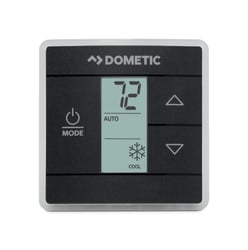

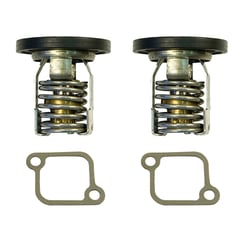

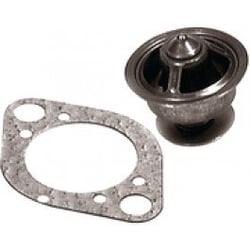

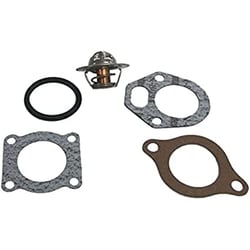
 Representative Photo, actual item may vary

 Representative Photo, actual item may vary

Why Marine Engine Thermostats Matter
A marine engine thermostat is one of the most critical — and most overlooked — components in your boat's cooling system. Tucked between the engine block and the cooling circuit, the thermostat acts as a precision gatekeeper, regulating coolant flow to maintain the engine within its ideal operating temperature range. Run too cold and combustion efficiency suffers, oil doesn't reach proper viscosity, and carbon deposits can foul the combustion chamber. Run too hot and you risk warped cylinder heads, blown gaskets, or catastrophic engine seizure on the water — miles from the nearest dock.
Unlike automotive thermostats, marine thermostats operate in a raw-water or fresh-water cooling environment that introduces unique challenges: saltwater corrosion, mineral deposits, and the constant thermal cycling of open-throttle boating all accelerate wear. This makes using the correct marine-grade thermostat — rated for your specific engine make and temperature specification — especially important for long-term reliability.
Understanding Thermostat Temperature Ratings
Marine thermostats are typically available in a range of temperature ratings, most commonly 140°F, 160°F, and 180°F. The correct rating for your engine is determined by the manufacturer's specification — using the wrong temperature thermostat can cause the engine to run outside its designed operating window, voiding warranties and causing premature wear. Always cross-reference your engine's service manual or OEM documentation before selecting a replacement.
Thermostat Accessories: Housings, Gaskets & Kits
Beyond the thermostat itself, a complete repair often requires thermostat housings, gaskets, o-rings, and mounting hardware. Many technicians recommend replacing the gasket or o-ring any time a thermostat is serviced, since reusing a compressed gasket is a common source of post-repair leaks. Thermostat kits that bundle the thermostat with all necessary sealing components simplify the job and ensure a leak-free installation the first time.
Top Brands in Marine Thermostats & Accessories
When it comes to trusted names in this category, two brands stand out for marine and engine applications:
- Coleman — Coleman is the top-selling brand in this category, offering a broad range of thermostats and accessories designed for reliable performance across a wide variety of marine engines. Their products are well-regarded for consistent quality and wide compatibility, making them a go-to choice for both DIY boaters and professional marine technicians.
- Robertshaw — Robertshaw has a long-standing reputation as a precision temperature-control manufacturer. Their marine thermostats are engineered to tight tolerances, ensuring accurate opening temperatures and consistent coolant regulation — qualities that matter when engine longevity is on the line.
Tips for Replacing a Marine Thermostat
Replacing a marine thermostat is a straightforward job for most boaters with basic mechanical skills. Always drain the cooling system before opening the thermostat housing, note the orientation of the old thermostat before removal, and clean all mating surfaces thoroughly before installing the new gasket. After installation, run the engine and monitor operating temperature to confirm the new thermostat is opening and closing correctly. A proper repair now can prevent a costly breakdown later.