



Thrusters
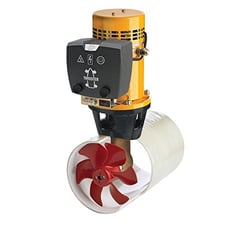

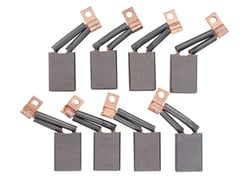
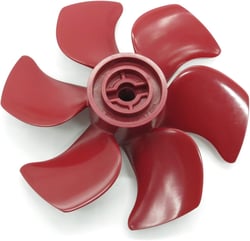
Vetus SET0088 6-Blade Replacement Propeller 185mm for BOW50/60/75/80/95 Thrusters
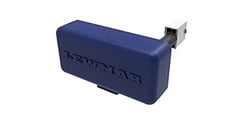

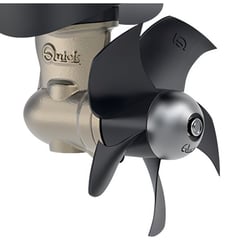
Quick FVSGEL185L05A00 Replacement Propeller Left Hand 5-Blade for BTQ 185 Bow Thruster

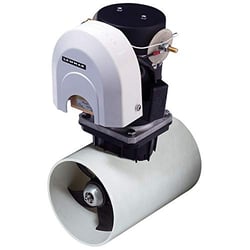
Lewmar 590003LEW Bow Thruster 140TT Gen2 2.2KW 12V Electric Marine Tunnel Thruster
 Representative Photo, actual item may vary
 Representative Photo, actual item may vary
 Representative Photo, actual item may vary
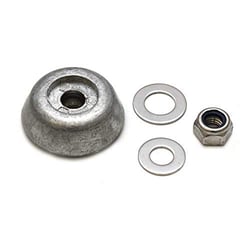
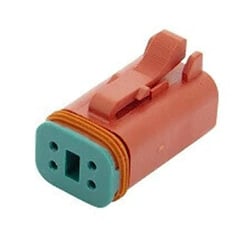
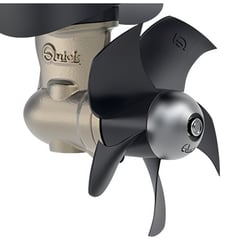
Quick FVSGEL140R05A00 Replacement Propeller for D140 Bow Thruster Right Side 5-Blade
 Representative Photo, actual item may vary
 Representative Photo, actual item may vary
Lewmar 2020207653 Lewmar 140TT 2kW Tunnel Thruster with joystick - 12V #591458
 Representative Photo, actual item may vary
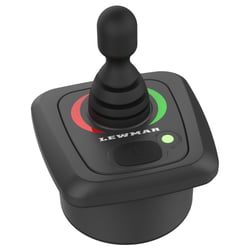
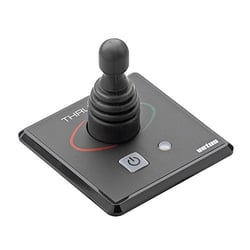
Lewmar 2020207549 Single Joystick Thruster Controller Upgrade Kit Thrusters
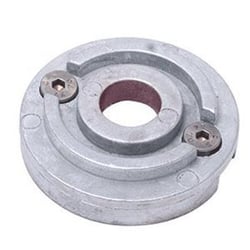
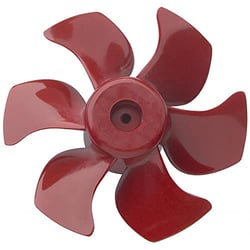
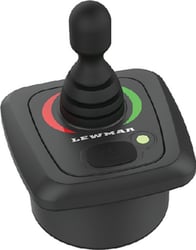
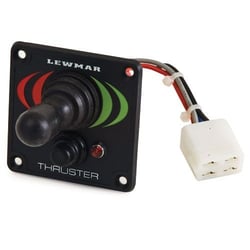
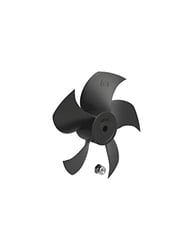
Quick FVSGEL125000A00 Replacement Propeller for BTQ 125-30 & BTQ 125-40 Bow Thruster
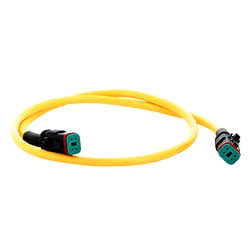
 Representative Photo, actual item may vary
 Representative Photo, actual item may vary
What Are Marine Thrusters?
Maneuvering thrusters — commonly called bow thrusters and stern thrusters — are transversal propulsion devices built into or mounted to either the bow or stern of a ship or boat to make it more maneuverable. Thrusters are equipped with small propellers that help maneuver a boat sideways rather than forwards or backwards, typically while docking or mooring. In short, they transform stressful close-quarters situations into confident, controlled movements.
How Thrusters Work
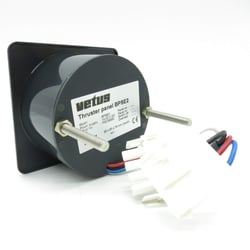
Thrusters can take the stress out of docking by giving you sideways control of the movement and position of the bow and stern of your boat. They work by rotating a propeller in a submerged tunnel or a housing mounted athwartships near the bow and/or stern. A control panel allows you to push the bow and/or stern sideways, to resist the force of a crosswind and cross-current, while maneuvering in close quarters.
Bow thrusters make docking easier since they allow the captain to turn the vessel to port or starboard without using the main propulsion mechanism, which requires some forward motion for turning. Bow thrusters are more common than stern thrusters because the bow is more prone to being blown off course — the stern is heavier and more deeply immersed due to hull shape and engine placement, and you have better control over the stern from the main engines and steering.
Types of Thrusters
The most common type of boat thruster is a tunnel thruster installed in the bow or stern of a vessel with one or two propellers driven by an electric or hydraulic motor. Electric thrusters are best for smaller to mid-sized boats — they are quieter and require less maintenance — while hydraulic thrusters are more suitable for larger vessels that need continuous thrust power.
Control systems also vary. The majority of bow thrusters have on/off controls and deliver full power either to port or starboard when engaged, which requires the operator to be judicious in timing. Proportional thrusters, however, deliver varying degrees of power, letting the operator control the speed at which the thruster pushes the boat sideways for more precise movement.
Key Considerations When Shopping for a Thruster
- Thrust output: Larger and heavier boats require more powerful thrusters — ensure the chosen model provides enough thrust for your vessel's displacement.
- Tunnel diameter: Picking the right thruster the first time is crucial for many years of operation after installation.
- Bow vs. stern vs. both: For ultimate maneuverability, having both bow and stern thrusters is ideal — together they allow for complete lateral movement, making docking effortless even in strong winds or currents.
- Power source: Match the thruster's voltage requirements to your vessel's battery bank capacity for reliable, sustained performance.
Top Thruster Brands
When it comes to marine thrusters, Vetus stands out as one of the most established names in the industry. With over 40 years of experience in advanced thruster systems and more than 60 years in marine engineering, Vetus designs solutions that offer superior control, efficiency, and reliability. Their range spans from straightforward on/off models for dependable docking, to proportional systems that offer smooth precision and full integration with modern control systems, retractable thrusters ideal for sailing yachts, and custom-fit solutions for complex setups. Whether you're upgrading an existing install or outfitting a new vessel, Vetus thrusters deliver proven performance at the helm.