



Anode Kits
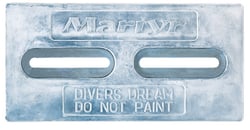

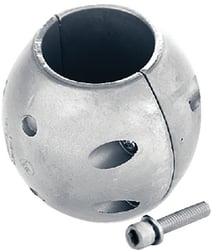
Martyr Anodes CMX15 Streamlined Shaft Anode with Stainless Steel Allen Head - Zinc
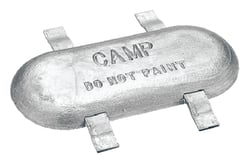

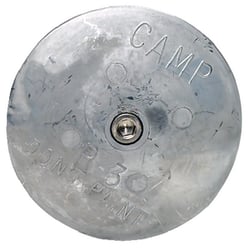
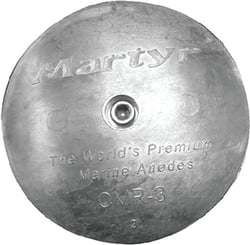
Martyr Anodes CMR03S Streamlined Rudder Zinc Anode with Slotted Stainless Steel Hardware
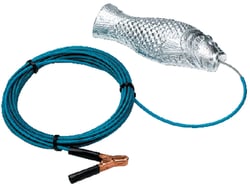
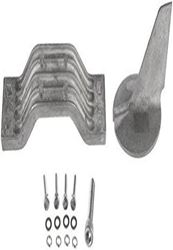
Martyr Anodes CMR05 Rudder & Trim Tab Anode with Stainless Steel Allen Head Screw
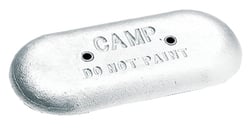
Martyr Anodes CMDIVERMINIM Diver's Dream Hull Anode 6" x 4" x 1/2" Magnesium
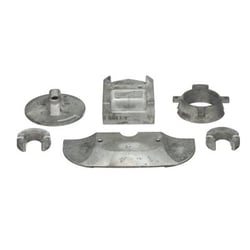
Seachoice 50-95031 Anode Kit for Mercruiser Alpha One Gen II Magnesium Fresh Water

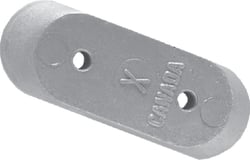
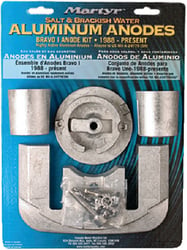
Martyr Anodes CMR04M Magnesium Rudder/Trim Tab Anode with Stainless Steel Allen Head Screw
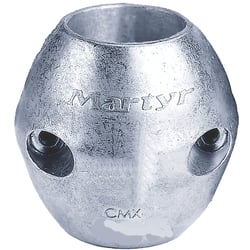
Martyr Anodes CMX07 Streamlined Shaft Anode with Stainless Steel Allen Head Screw, Zinc
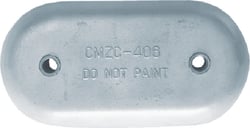
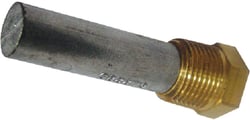
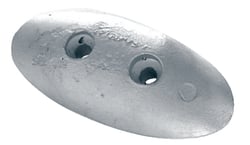
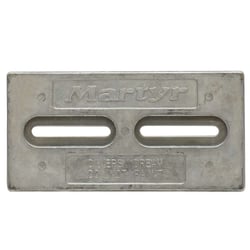
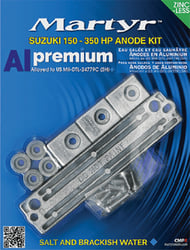
Martyr Anodes CMSZ150350KITA Suzuki Outboard Anode Kit 150-300HP Aluminum
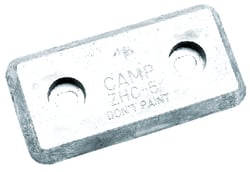
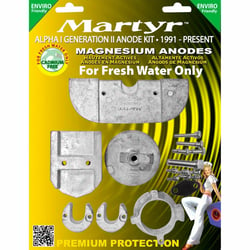
Martyr Anodes CMALPHAKITM Complete Anode Kit for Mercury Alpha I Gen II Drives

What Are Marine Anode Kits and Why Do You Need One?
Every boat that spends time in the water faces an invisible threat: galvanic corrosion. This electrochemical process occurs when two dissimilar metals are electrically connected and submerged in water, creating a low-voltage current that steadily eats away at your boat's underwater hardware. Anode kits are the most practical, time-tested defense against this destructive force.
Sacrificial anodes — the core component of every anode kit — are pieces of highly active metal (zinc, aluminum, or magnesium) that are fastened to underwater surfaces. As the name implies, these anodes are designed to corrode first, essentially sacrificing themselves to protect your boat's vital components. Without them, the corrosion process will target your propeller, outdrive, or hull fittings instead.
What's Included in an Anode Kit?
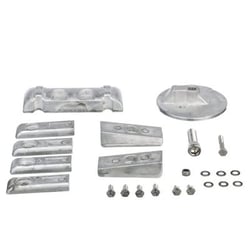
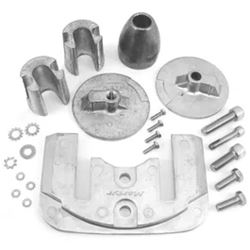
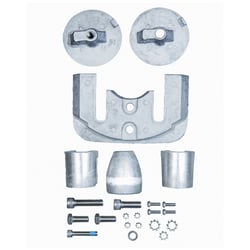
Rather than hunting down individual anodes one by one, an anode kit bundles everything needed for a specific engine or drive system into a single, convenient package. A typical kit for a sterndrive unit might include a block anode for the gimbal housing, a skeg anode for the ventilation plate, collar anodes for trim rams, a prop nut anode, and all the stainless steel hardware needed for installation. This makes annual anode replacement straightforward — an important maintenance task, since anodes should be replaced once they've deteriorated to approximately half their original size.
Zinc, Aluminum, or Magnesium: Choosing the Right Material
Matching the anode material to your boating environment is critical. Traditional zinc anodes work well in saltwater. Aluminum anodes are recommended for salt or brackish water and offer a longer service life than zinc, and are the only material safe for all water types. Magnesium anodes are designed specifically for freshwater use, where low conductivity means you need a more reactive metal to generate adequate protection. Using the wrong material can leave your drive components vulnerable, so always confirm your water type before selecting a kit.
Top Brands in Marine Anode Kits
Seachoice is one of the most recognized names in anode kits, offering engine-specific kits for major brands like Mercury, Yamaha, Volvo, and Honda. Their kits are cadmium-free and manufactured to conform to military specifications (Mil-Spec A-24779(SH) for aluminum and Mil-Spec A-21412(SH) for magnesium), ensuring reliable, environmentally responsible protection.
Camp Zinc is a leading American manufacturer of marine anodes, producing zinc and aluminum sacrificial anodes for recreational, commercial, and military vessels. Their products cover a vast range of applications — from hull plates and propeller shafts to outboard engines and stern drives — all manufactured in the US to meet stringent MIL-SPEC quality standards.
Tecnoseal brings decades of European precision to the anode market, manufacturing zinc, aluminum, and magnesium anodes directly from their foundry in Grosseto, Tuscany. With nearly 2,000 standard production anodes and more than 3,000 custom options, Tecnoseal offers one of the widest anode selections in the world, covering everything from leisure boats to offshore and commercial shipping applications.
Key Considerations When Shopping Anode Kits
- Engine/drive compatibility: Always verify the kit is designed for your specific engine brand and model year.
- Water type: Match the anode material (zinc, aluminum, or magnesium) to whether you boat in saltwater, brackish water, or freshwater.
- Alloy quality: Substandard anodes with impure alloys may not react properly, leaving your hardware unprotected. Look for MIL-SPEC certified kits.
- Replacement schedule: Inspect anodes regularly and replace them when they've worn to about half their original mass — typically at least once per season.
- Clean contact surfaces: A proper metal-to-metal bond between the anode and the protected surface is essential for cathodic protection to work correctly.