



Carburetors
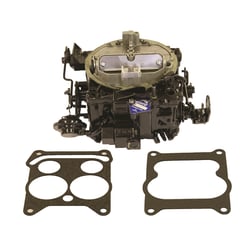

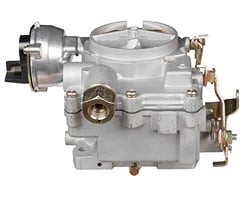
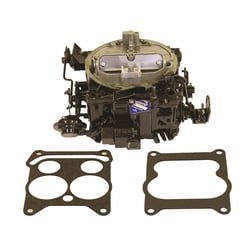
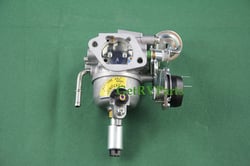

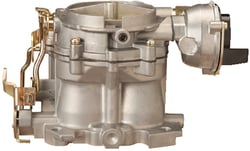
Sierra 18-7373N MerCarb 2V Complete New Marine Carburetor for MerCruiser 4.3L
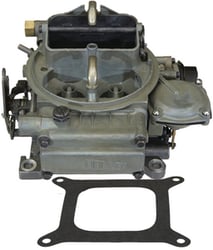
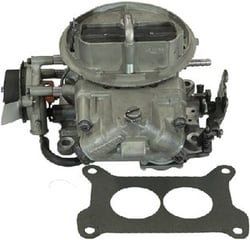
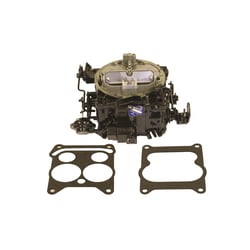
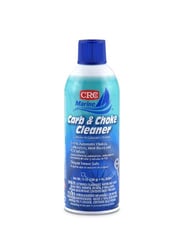

 Representative Photo, actual item may vary
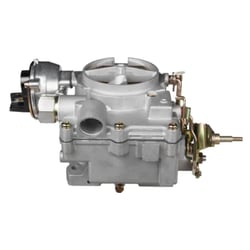
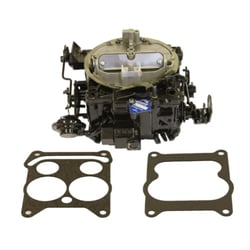
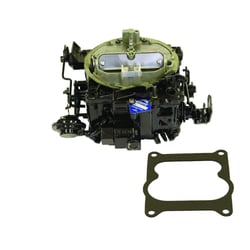
 Representative Photo, actual item may vary
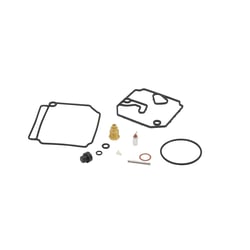
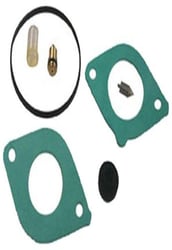
Quicksilver 8M6010311 Carburetor Repair Kit for Yamaha 75-90HP 2-Stroke Outboards

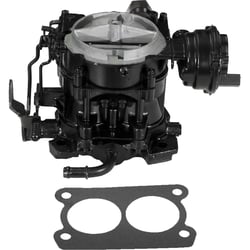
What Is a Carburetor and Why Does It Matter?
The carburetor is one of the most fundamental components in any gasoline-powered engine. Its job is deceptively simple: mix air and fuel in the precise ratio needed for combustion. Too much fuel and the engine runs rich, burning poorly and wasting gas. Too little fuel and it runs lean, risking overheating and power loss. Whether you're piloting a bass boat, towing a camper, or maintaining a generator at your campsite, a properly functioning carburetor is essential to reliable starts, smooth idle, and consistent power delivery under load.
In RV and marine applications, carburetors face unique challenges. Marine engines contend with humidity, salt air, and extended idle periods between uses, all of which accelerate wear and corrosion on internal components. RV engines — including those in generators, utility vehicles, and support equipment — often sit unused for months at a time, causing fuel varnish buildup inside carburetor passages. Understanding these conditions helps you choose the right replacement or upgrade for your specific application.
Replacement vs. Performance Carburetors
When shopping for a carburetor, you're generally choosing between two paths. A direct replacement carburetor restores your engine to factory specifications — ideal if your existing carb is worn out, corroded, or suffering from internal damage. A performance carburetor is engineered to outperform the OEM unit, offering improved airflow, more precise fuel metering, and better throttle response, particularly valuable on modified or high-output engines.
Key factors to consider when selecting a carburetor include engine displacement and fuel delivery requirements, venturi and throat diameter, choke style (manual, automatic, or enrichment device), and compatibility with your intake manifold. Always verify your carb matches both the make and model of your engine and the specific year of production, as small casting and jetting differences can significantly affect performance.
Top Carburetor Brands
S&S Cycle is a legendary American manufacturer with a decades-long heritage in carburetor engineering. Their carburetors are American-made butterfly-type units designed for both stock replacements and high-performance custom applications, providing superior throttle response and increased airflow. Specially machined to provide up to 70% more flow with an increased venturi diameter for maximum power, S&S carbs are among the most trusted options for serious enthusiasts. Their iconic Super E and Super G series are particularly well regarded, featuring changeable main and intermediate jets, an accessible idle mixture screw, an easily operated cold start enrichment device, and a 360° fuel inlet fitting.
Honda brings the same engineering precision to its carburetors that has made the brand synonymous with long-lasting, dependable small engines worldwide. Honda carburetors are purpose-built to deliver clean fuel atomization and consistent idle quality across a wide range of operating temperatures — qualities that matter enormously in marine and RV environments where reliability is non-negotiable.
Carburetor Maintenance Tips
- Use a fuel stabilizer if storing your RV or marine engine for more than 30 days to prevent varnish buildup in carburetor passages.
- Inspect and clean the float bowl and jets annually, especially in marine applications where salt air can accelerate corrosion.
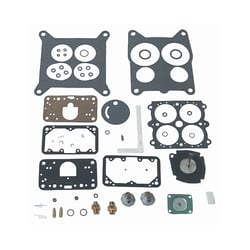
- When rebuilding, always replace gaskets, O-rings, and the needle/seat valve as a set for a complete, reliable repair.
- After reinstallation, set idle mixture and idle speed screws to manufacturer baseline settings before fine-tuning under load.