



Foam Sealants/Flotation


What Are Marine Foam Sealants and Flotation Products?
Foam sealants and flotation products are essential materials for anyone who owns, repairs, or builds a boat, pontoon, RV, or other watercraft. These expanding polyurethane foams serve a wide range of critical functions: adding or restoring buoyancy, filling hull voids and cavities, sealing out moisture, and providing thermal and acoustic insulation. Far from being a niche product, flotation foam is a cornerstone of safe, well-maintained marine vessels.
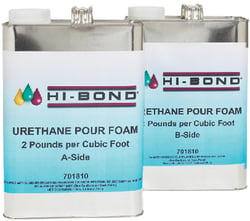
There are two primary product types in this category. Pour foams are two-part liquid systems that are mixed and poured directly into a cavity, where they expand and cure into a rigid, closed-cell mass. Spray foam sealants come in aerosol cans and are ideal for caulking, sealing gaps, and reaching tight or irregularly shaped spaces. Both types harden into a material that resists moisture absorption and stands up to the harsh marine environment.
Why Flotation Foam Matters
Safety is the primary reason to take marine flotation foam seriously. Federal law requires that boats 20 feet and under must have level flotation material — meaning the vessel should remain afloat and level even when swamped. Beyond regulatory compliance, properly placed flotation foam can mean the difference between a boat that sinks and one that stays above the waterline after a collision or breach.
Beyond safety, foam sealants deliver real performance benefits. Closed-cell polyurethane foam resists moisture and will not be affected by splashes of oil or fuel once fully cured. It also acts as a capable thermal insulator, keeping RV cabins, boat holds, and iceboxes at stable temperatures. Additionally, foam applied to hulls, bulkheads, and walls can dampen vibration and significantly reduce engine and wave noise inside the cabin — a noticeable comfort improvement on longer trips.
Key Considerations When Shopping Foam Sealants & Flotation
- Density: Two-pound density foam is the most common choice for general flotation and void-filling. Higher densities provide more structural rigidity where needed.
- Expansion rate: Marine pour foams can expand approximately 25 times their original liquid volume, so careful measurement of the cavity is critical before you begin.
- Cure time: Fast-setting formulas may give you only about 20 seconds of mixing and pouring time, but can be ready for use in a matter of hours.
- Form factor: Pour foam kits are best for larger hull cavities and pontoon tubes, while aerosol spray foams excel at sealing electrical pass-throughs, window frames, and smaller gaps.
- Temperature sensitivity: Cooler working temperatures can slow expansion rates, so plan your project for a warm day or use the product at room temperature for best results.
Top Brands in Marine Foam Sealants & Flotation
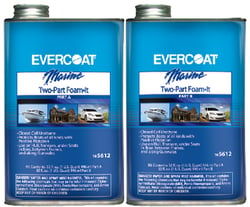
When it comes to trusted names in this category, Evercoat stands out as a go-to choice for marine enthusiasts and professional boat builders alike. A brand under ITW with a long history in marine and body repair products, Evercoat offers both two-part pour foam kits and one-component aerosol sealant sprays engineered specifically for the demands of the marine environment.