



Gauges & Sending Units
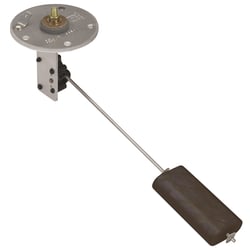

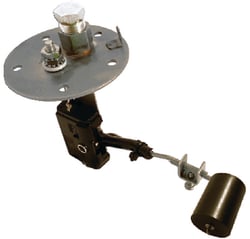
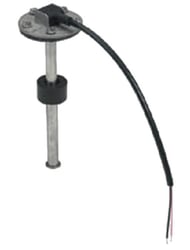
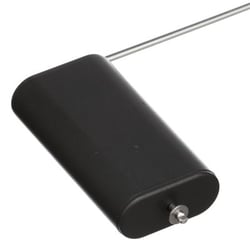
Moeller 035789-10 Universal Fuel Level Sender with Diesel Return 6-24 Inch Adjustable
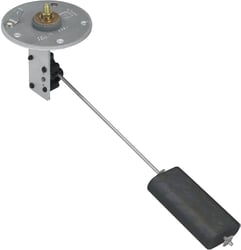
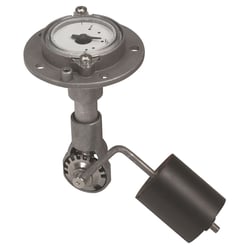
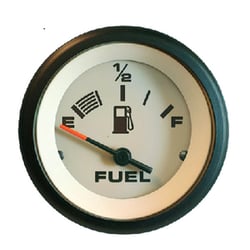
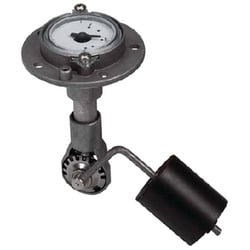
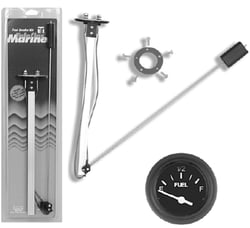
Moeller 035726-10 Swingarm Electric Fuel Sending Unit Kit with Dash Gauge 4-28 Inch



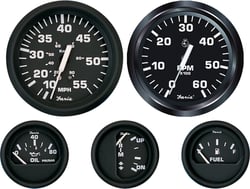
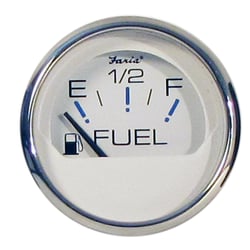

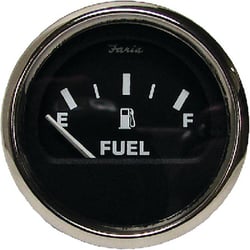
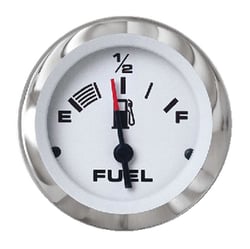
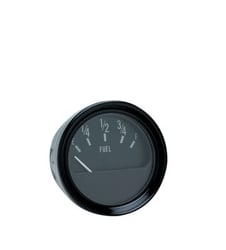
Why Fuel Gauges & Sending Units Matter on the Water
Running out of fuel in the middle of a lake or far offshore is more than an inconvenience — it can be a genuine safety emergency. Marine and RV fuel gauges and sending units are the two-part system that keeps you informed about exactly how much fuel remains in your tank at all times. Understanding how this system works — and what to look for when shopping — can mean the difference between a great day on the water and a costly tow back to the dock.
How the System Works
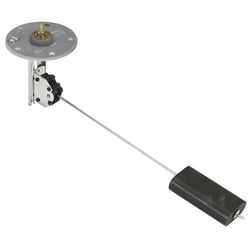
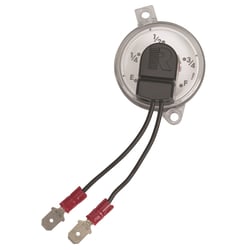
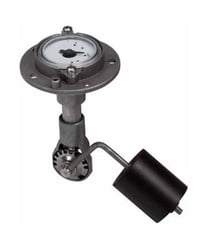
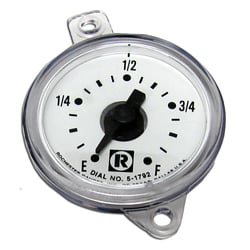
Fuel gauges and sending units work together as a matched pair. The sending unit is mounted directly inside or on top of your fuel tank. It consists of a float attached to an arm that rises and falls with the fuel level. As the float moves, it changes the electrical resistance in the circuit — typically between 33 ohms (full) and 240 ohms (empty) for the standard American marine spec. That varying resistance signal travels up a wire to the fuel gauge at your helm or dashboard, where it is translated into a needle reading the captain can see at a glance.
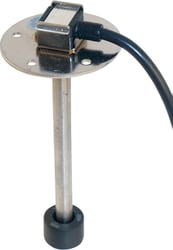
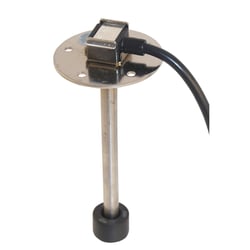
There are two primary sender technologies found in marine and RV applications. Swing-arm (variable resistor) senders use a mechanical float arm and deliver a smooth, continuous gauge reading. Reed-switch senders use a magnetic float sliding along a sealed tube to trigger a series of magnetic switches, producing stepped but highly stable readings — an advantage in choppy water conditions where a swinging arm might cause the gauge needle to oscillate erratically.
Key Considerations When Shopping
Choosing the right gauge and sending unit combination requires attention to several factors:
- Resistance range compatibility: Your gauge and sender must be matched to the same ohm range. The standard American marine range is 33–240 ohms, while European-spec systems typically run 0–180 ohms. Mismatched pairs will give inaccurate readings.
- Tank depth: Sending units are sized to match the depth of your fuel tank. Many adjustable units cover a range (e.g., 4–24 inches), while fixed-length units must be matched precisely to your tank.
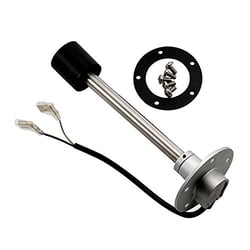
- Mounting pattern: Most marine applications use a standard 5-hole SAE mounting flange, but always verify your tank's fitting before ordering.
- Fuel type compatibility: Confirm the sender is rated for gasoline, diesel, or both, as material compatibility affects long-term durability.
- Corrosion resistance: In a marine environment, non-ferrous materials and stainless steel components hold up far better against saltwater and humidity.
Brands We Carry
When it comes to reliable marine fuel monitoring, Seachoice is a trusted name among boaters. Seachoice offers a broad lineup of fuel senders and gauge kits designed specifically for marine use, including both adjustable swing-arm senders and reed-switch units with stainless steel immersion tubes — compatible with the standard 33/240-ohm gauge range used by most American boats and RVs.
Maintenance & Replacement Tips
Fuel sending units do not last forever, and exposure to fuel vapors, vibration, and moisture accelerates wear. Common signs of a failing sender include a gauge that reads full or empty regardless of actual fuel level, erratic needle movement, or a gauge that simply stops responding. A basic ohmmeter test — checking resistance at the sender terminals as you manually move the float — can quickly confirm whether the sender or the gauge wiring is at fault. When replacing, always install a fresh gasket and use the correct mounting hardware to ensure a fuel-tight seal.