



In-line Filters



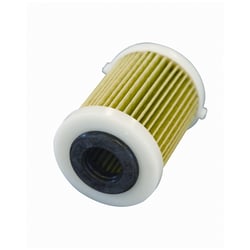
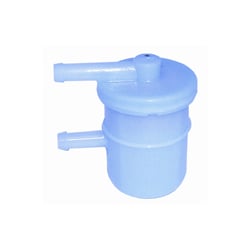
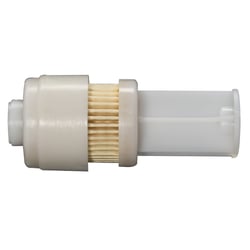
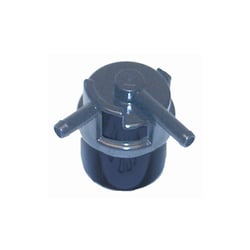
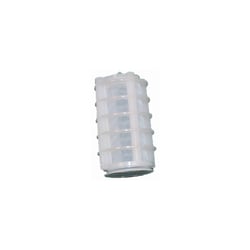
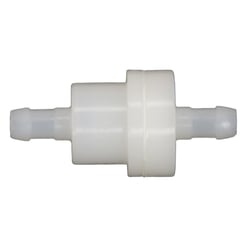
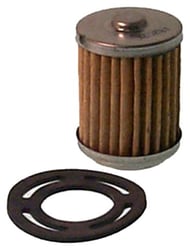

- 1
- 2
What Are In-Line Fuel Filters and Why Do They Matter?
In-line fuel filters are one of the most important and most overlooked components in any marine or RV fuel system. Installed directly within the fuel line between the tank and the engine, these compact filters act as a critical barrier against the contaminants that can silently destroy carburetors, injectors, and fuel pumps. Whether you're cruising offshore or rolling down the highway in your motorhome, clean fuel is non-negotiable.
Marine environments present unique challenges for fuel systems. Moisture, algae, rust particles, and fine sediment commonly accumulate in fuel tanks — especially in boats that sit docked between seasons. In-line fuel filters catch this debris before it reaches sensitive engine components, helping prevent hard starts, rough running, and costly repairs.
How In-Line Filters Work
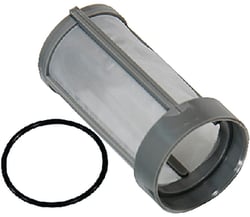
An in-line fuel filter is plumbed directly into the fuel line, where fuel passes through a filter media rated in microns. The lower the micron rating, the finer the particles the filter can capture. Common ratings in the marine segment range from 20 to 100 microns, with finer filters providing greater engine protection — particularly in fuel-injected engines where precision tolerances demand exceptionally clean fuel.
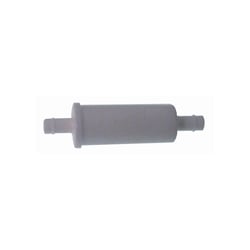
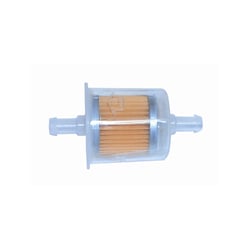
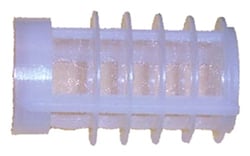
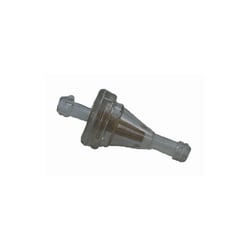
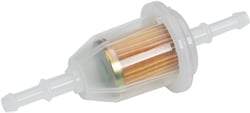
Many in-line designs feature a clear or translucent body, which allows for quick visual inspection without any tools. This is especially practical for boaters who want to check filter condition at the start of each season or before a long trip. As a general rule, marine in-line filters should be inspected every boating season and replaced at least once per year, or according to the engine manufacturer's maintenance schedule.
What to Look for When Shopping In-Line Filters
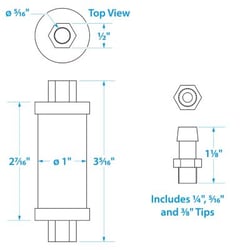
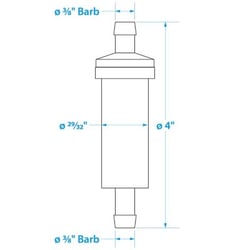
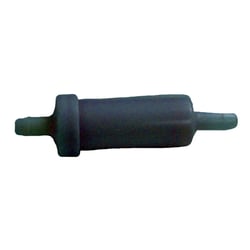
- Fuel line size compatibility: Most filters are sized for 1/4", 5/16", or 3/8" fuel lines. Universal-fit filters often include multiple barbed fittings to cover common sizes.
- Micron rating: Carbureted outboards typically use 100-micron filters, while EFI engines often require 10–20 micron filtration for injector protection.
- Ethanol compatibility: Modern marine fuels often contain ethanol blends. Look for filters rated for ethanol-blended fuels to prevent premature degradation.
- Application fit: Some filters are universal; others are OEM-spec replacements for specific engine brands like Mercury, Yamaha, Johnson, or Evinrude.
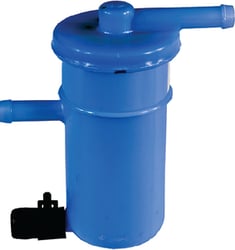
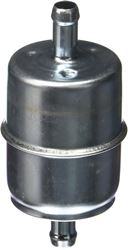
- Body material: Plastic bodies are lightweight and allow visual inspection; metal housings offer greater durability for high-pressure fuel systems.
Top Brands for Marine & RV In-Line Fuel Filters
Seachoice is a trusted name among boating enthusiasts, offering universal in-line fuel filters designed to fit 1/4", 5/16", and 3/8" fuel lines. Their clear-body design makes visual inspection straightforward, and their filters are built to protect all carbureted marine engines.
Sierra brings one of the broadest in-line filter selections in the marine aftermarket, with an extensive catalog of OEM-spec replacements for Mercury, Yamaha, Honda, Johnson, Evinrude, and more. Sierra's filters are manufactured to meet or exceed OEM standards and are tested and approved for use with ethanol-based fuels — a critical feature in today's marine environment.
Hengst is a European filtration specialist known for precision-engineered filters designed to handle the demands of modern fuel injection systems. Hengst in-line filters are built to maintain effective filtration performance over extended service intervals, making them a solid choice for RV and powersports applications.
WIX Racing Filters brings decades of filtration expertise to the in-line segment, offering durable, high-capacity fuel filters suited for a range of engines including marine inboards. WIX's reputation in performance and racing applications translates to reliable filtration under demanding conditions.