



Livewell - Aerator Pumps
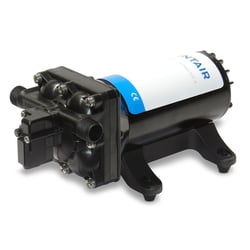

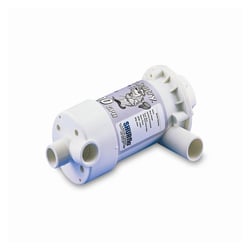
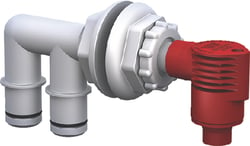

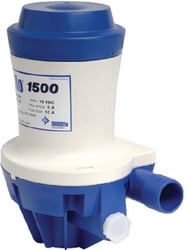
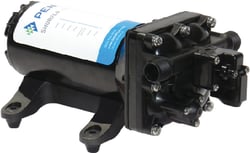
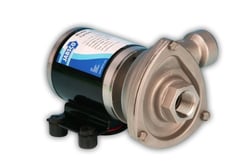

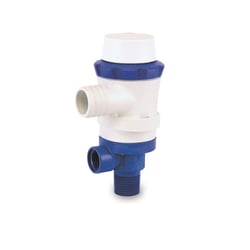
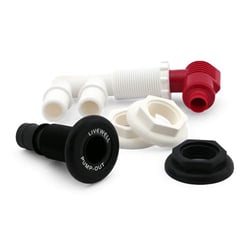
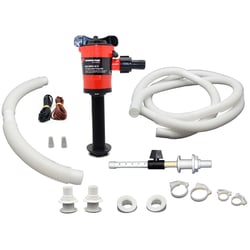
Flow Rite MP-1000 Pump-Out Aerator Combo Kit Barbed for Marine Livewell Systems
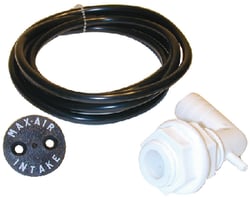
T-H Marine MAV2KTDP MAX-AIR Venturi Livewell Aerator Kit with Face Plate and 6' Tubing


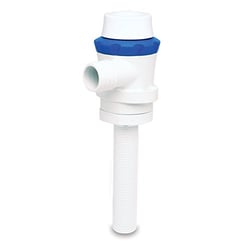
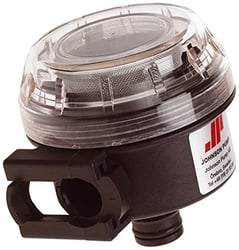
Johnson Pumps 09-24653-02-CN PUMProtector Inlet Strainer with KlickTite Connectors
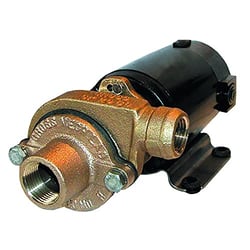

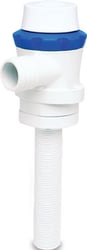
Shurflo 357-112-10 Piranha Straight Port Aerator Pump with Anti-Lock Feature
 Representative Photo, actual item may vary
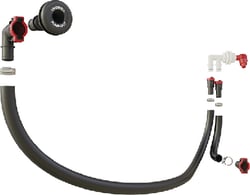
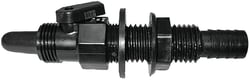
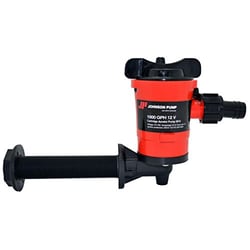
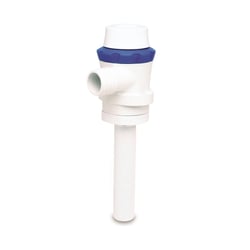
Shurflo 357-012-10 Piranha Straight Port Aerator Pump with Anti-Lock Feature
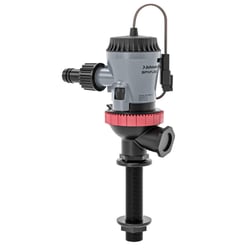
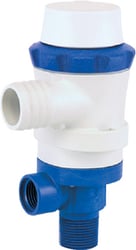
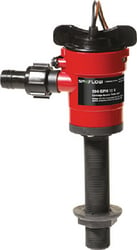
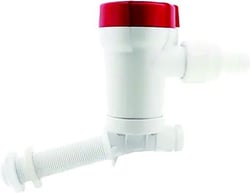

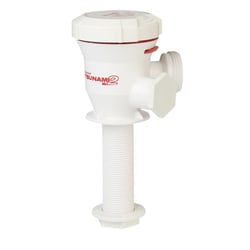

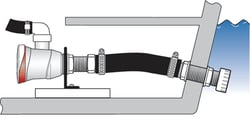
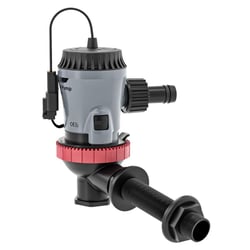
 Representative Photo, actual item may vary

What Is a Livewell Aerator Pump — and Why Does It Matter?
For any serious angler, a healthy livewell is the difference between a great day on the water and a frustrating one. Livewell aerator pumps are the heart of any onboard live-bait or catch-keeping system. These pumps draw water from outside the hull and circulate it through a sealed tank, continuously refreshing oxygen levels and flushing out waste — creating the stable aquatic environment that keeps bait lively and tournament fish viable from the first cast to the weigh-in.
The mechanics are straightforward but critical: a livewell pump draws water from the surrounding body of water, delivers it into the livewell, and pushes old water out through an overflow or drain. This constant exchange maintains oxygen levels and reduces heat and ammonia buildup — two of the biggest killers of live bait and caught fish. A well-matched pump can turn over the full livewell volume roughly every 10 minutes, which is widely considered the benchmark for healthy water quality.
Choosing the Right Aerator Pump
Not all livewell pumps are created equal. When shopping for one, there are several key factors to consider:
- Flow Rate (GPH): Match the pump's gallons-per-hour rating to the volume of your livewell. A general rule of thumb is to multiply livewell capacity in gallons by six to find your ideal minimum GPH.
- Mounting Style: Pumps can be installed through the hull below the waterline, mounted on the transom, or positioned inside the bilge. Each has trade-offs in terms of water pressure, installation complexity, and accessibility.
- Saltwater vs. Freshwater: Saltwater environments demand corrosion-resistant housings and sealed motors. Always verify a pump is rated for your fishing environment before installing.
- Single vs. Dual Port: Dual-port pumps can supply both a livewell and a raw-water washdown system from a single intake, saving hull penetrations and installation time.
- Cartridge vs. Fixed Motor: Pumps with replaceable motor cartridges allow field-side maintenance without disturbing plumbing connections — a huge advantage during a tournament day.
Top Brands in Livewell Aerator Pumps
Johnson Pumps is one of the most trusted names in marine water management. Their livewell lineup — including the Aqua O₂ Cartridge Aerator, Twin Port, and Pro Series pumps — is engineered for both OEM installations and aftermarket upgrades. Johnson's quick-change cartridge design and 360-degree mounting flexibility make them a go-to for both boat builders and DIY anglers who want a reliable, low-maintenance system.
Rule Industries leads the category with a wide range of Tournament Series pumps designed specifically for competitive anglers. Rule's flagship Tournament Series pumps are among the highest-capacity 12V DC livewell pumps on the market, with models offering anti-airlock protection, removable motor cartridges for field servicing, and flow rates up to 1,600 GPH — making them a favorite from weekend bass boats to professional tournament rigs.
Groco brings its reputation for premium bronze and marine-grade hardware to the livewell category. Long respected by serious bluewater and offshore anglers, Groco products are built with the quality fittings and seacock integration that demanding installations require — particularly where below-waterline reliability is non-negotiable.
Installation & Maintenance Tips
Proper sizing and installation are just as important as pump quality. After each fishing trip, flush the system with clean fresh water, clear debris from intake strainers, and inspect hoses for algae or buildup. If you notice reduced flow, check the impeller for debris before assuming the motor has failed — a clogged impeller is one of the most common culprits. For pumps mounted below the waterline, ensure all through-hull fittings are paired with proper seacocks for safety.