



Sea Strainers
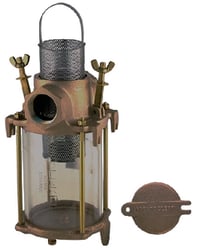


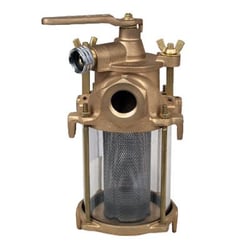

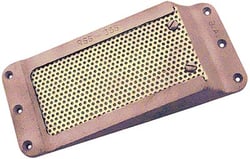

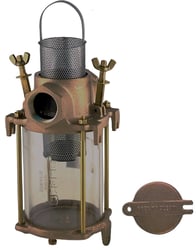
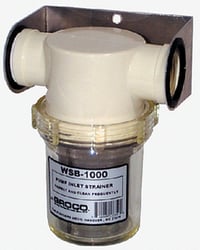
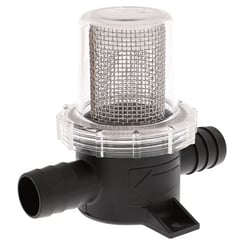
Perko 0493004PLB 1/2" Bronze Intake Water Strainer with Stainless Steel Basket
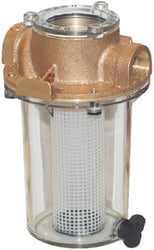
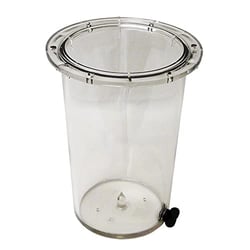
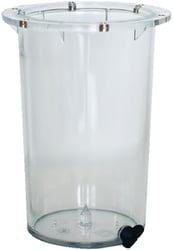
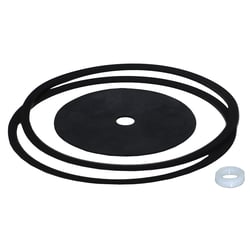
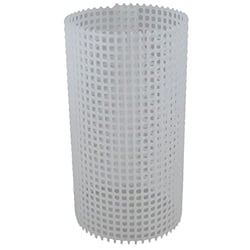
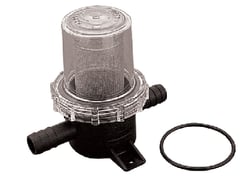
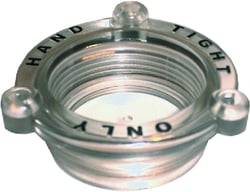
Perko 049300599C Replacement Transparent Cylinder for 3/4" Raw Water Strainer
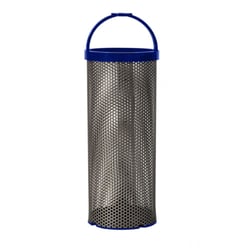
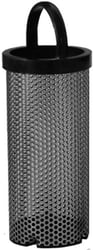
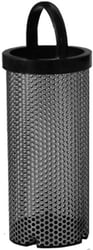
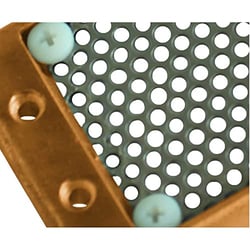
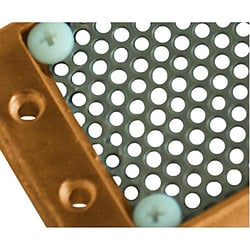
Perko 049300599D 304 Stainless Steel Strainer Basket Size 5 for 3/4" Intake Strainer
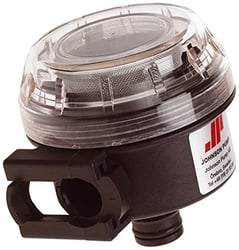
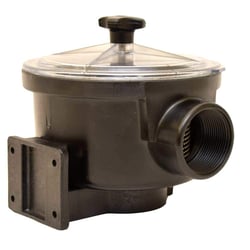
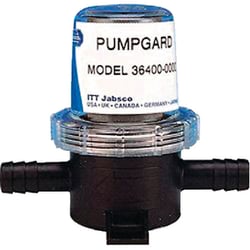
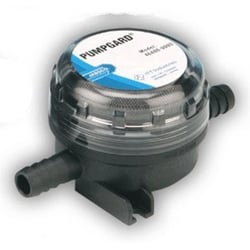
Johnson Pumps 09-24653-02-CN PUMProtector Inlet Strainer with KlickTite Connectors

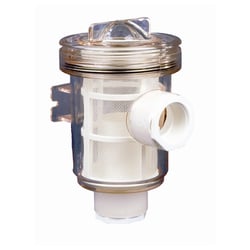

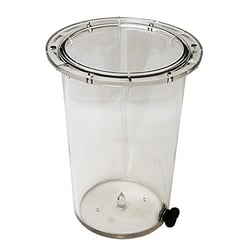
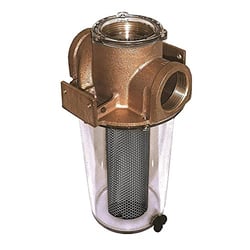

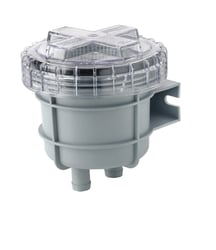

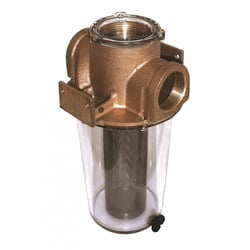
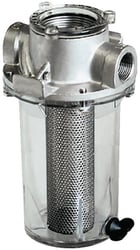
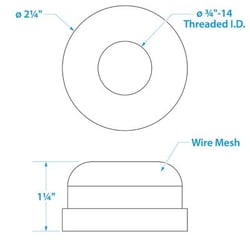
Groco ARG-755-S 3/4" Stainless Steel Replacement Strainer Basket for ARG Series Strainers
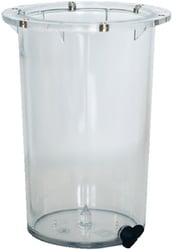
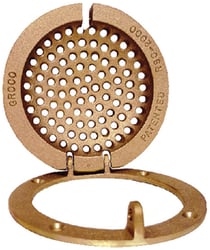
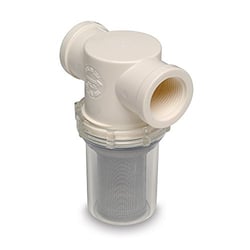
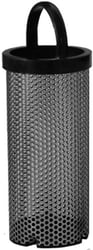
Perko 049300899D Replacement Strainer Basket Size 8 for 1-1/2" NPT Marine Water Strainers
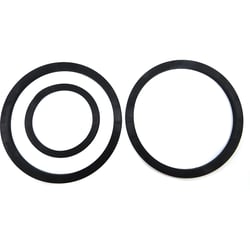
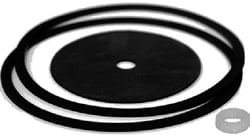
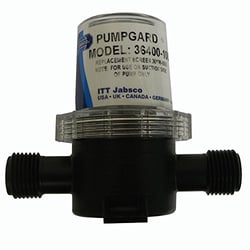

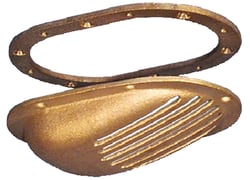
Perko 049300799C Spare Transparent Cylinder for 0493 Series Intake Water Strainer 1-1/4"
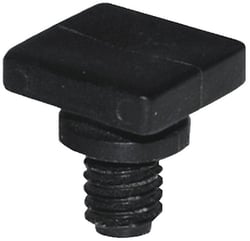
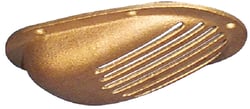
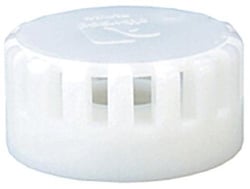
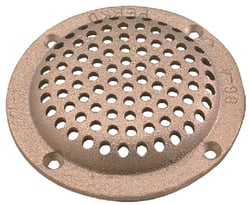
Groco SC-1500-L Bronze Clam Shell Hull Strainer 1-1/2 Inch Thru Hull Without Mount Ring
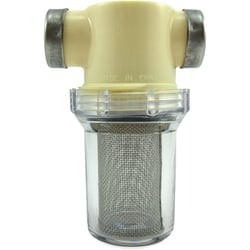
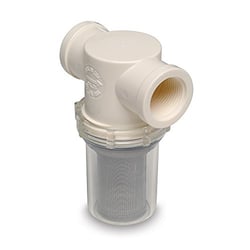
Sherwood Pump 18001-SHW Seastrain 3/4" NPT Raw Water Seawater Strainer 20-Mesh




What Are Sea Strainers and Why Do They Matter?
Sea strainers — also called raw water strainers or intake water strainers — are one of the most important yet often overlooked components in a boat's plumbing system. Sea strainers are filters located between the through-hull fitting and the onboard equipment being supplied with raw water, and they are designed to capture seaweed, plastic, sand, marine organisms, and other debris before any of it can reach the machinery.
In a typical marine cooling system, raw water is drawn in through a through-hull fitting or sea chest and pumped through the engine to remove heat. Before reaching the pump, this water passes through a seawater strainer. Without one, debris can get lodged in the pump impeller, clog heat exchanger tubes, or cause uneven cooling — problems that often lead to overheating, loss of engine efficiency, or even catastrophic engine failure, especially in saltwater environments where marine growth is persistent and aggressive.
Sea strainers aren't just for engine cooling, either. They are equally essential for marine air-conditioning systems, livewells, watermaker pumps, and onboard heads — anywhere raw water is drawn from the sea into the vessel.
Key Considerations When Shopping for a Sea Strainer
- Material: Marine strainers are typically made from corrosion-resistant materials such as cast bronze, stainless steel, or marine-grade plastics. Bronze and stainless steel are durable choices well-suited to saltwater environments, while lightweight polymer bodies offer affordability for smaller vessels.
- Port Size and Flow Capacity: Size your strainer by hose diameter and required flow — not just thread size. Engine cooling circuits typically call for larger-diameter strainers than livewells or cockpit washdowns.
- Basket Open Area: The higher the open area percentage on the internal filter basket, the better the unrestricted flow to your engine and other equipment. A larger filter generally cleans more water more quickly, assuring uninterrupted flow to engines and onboard systems.
- Clear Bowl / Visual Inspection: Many modern strainers feature a transparent cylinder or clear lid that allows you to check for debris accumulation at a glance without disassembly — a valuable time-saver.
- Mounting Location: Install as close to the seacock as possible while keeping it above the waterline when feasible. This simplifies cleaning and adds a safety factor should a connection fail.
- Maintenance: Sea strainers should be checked before each trip, as they can go from clean to clogged very quickly depending on what is in the water around you. Regular inspection is non-negotiable.
Top Sea Strainer Brands
Perko is the category leader for raw water strainers, offering a comprehensive lineup from lightweight intake models to large-boat strainers. Perko's strainers feature 316 stainless steel baskets to minimize electrolysis, hinged bronze cover lugs for easy basket removal, and basket open areas among the highest in the industry for cylindrical strainer designs — making routine maintenance quick and straightforward.
Buck Algonquin has been a respected name in marine hardware since 1955, specializing in bronze and stainless steel castings built to withstand heavy-duty use in both recreational and commercial applications. Their strainer lineup — manufactured in the USA — reflects decades of craftsmanship and technical expertise in marine plumbing and drivetrain systems.