



Sea Strainers
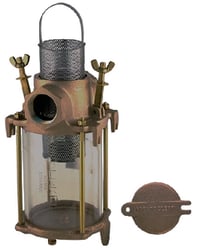


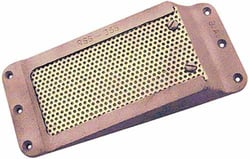

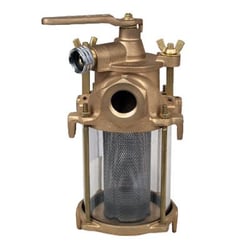
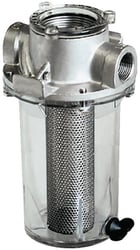

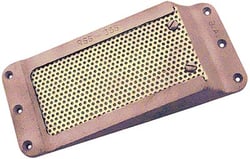
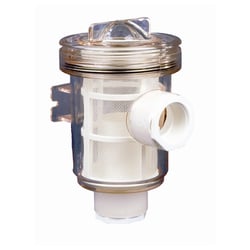
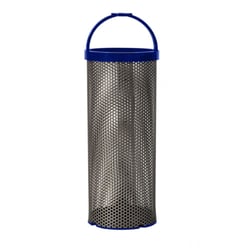
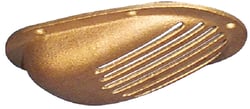
Perko 0493004PLB 1/2" Bronze Intake Water Strainer with Stainless Steel Basket
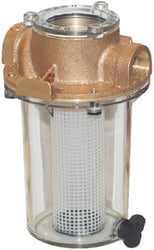
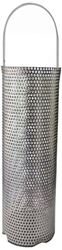
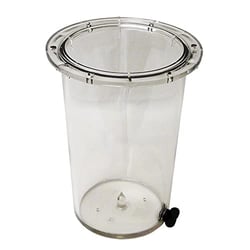
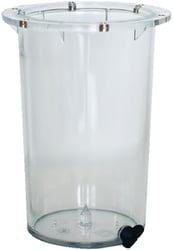
Perko 049300599C Replacement Transparent Cylinder for 3/4" Raw Water Strainer
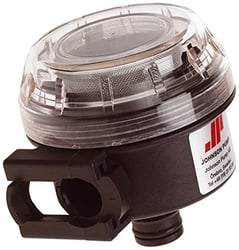
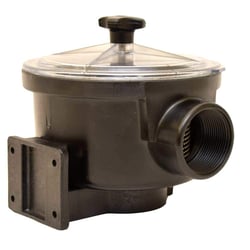
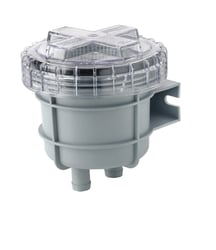
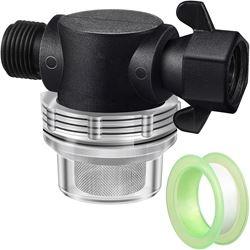
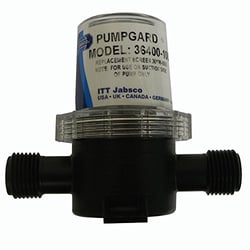
Johnson Pumps 09-24653-02-CN PUMProtector Inlet Strainer with KlickTite Connectors


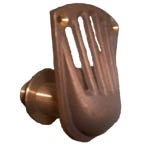



What Are Sea Strainers and Why Does Your Boat Need One?
A sea strainer — also called a raw water strainer — is one of the most critical and often overlooked components in a boat's plumbing system. Installed between the through-hull fitting and whatever system is drawing raw water, sea strainers act as the first line of defense against the debris-laden environment of open water. Whether you're running an inboard engine, a diesel cooling circuit, a marine air conditioner, a livewell, or a watermaker, raw water has to pass through a strainer before it reaches any of that equipment.
The principle is straightforward: sea strainers filter out seaweed, shells, sand, plastic, and other debris before it can enter your machinery. Without one, that same debris can clog pump impellers, block heat exchanger tubes, and cause uneven or failed engine cooling — problems that can quickly escalate into a ruined day on the water or a full engine overhaul.
How Sea Strainers Work
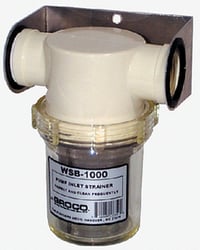
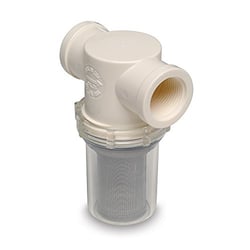
Most sea strainers share a common anatomy: a housing body (cast bronze, stainless steel, or composite), a removable fine-mesh or perforated basket, and a transparent or clear bowl that lets you visually inspect for debris buildup at a glance. Water drawn into the boat flows through the basket, which traps particles, and clean filtered water exits toward its destination — the engine, air-conditioning system, livewell, or other onboard systems.
Strainers are typically installed downstream of the seacock and upstream of any pump or heat exchanger. Mounting above the waterline is generally preferred, as it simplifies cleaning — there's no need to close the seacock before opening the housing. That said, always verify that a strainer is rated for its intended installation position.
Key Considerations When Shopping for a Sea Strainer
- Port size and flow capacity: Match the strainer's inlet and outlet port sizes to your hose diameter and required flow rate — not just thread size. A strainer that's too small will restrict flow and starve your cooling system.
- Material: Bronze is the traditional choice for saltwater durability, offering excellent corrosion resistance. Stainless steel baskets are preferred to minimize electrolysis. Composite (plastic) bodies are lighter and won't corrode, making them a good choice for freshwater or lighter-duty applications.
- Basket open area: A higher percentage of open area in the basket screen means better flow with less restriction. Look for designs that balance fine filtration with generous flow characteristics.
- Ease of maintenance: Look for hinged or tool-free covers, captive mounting hardware, and a drain plug for quick sediment removal and winterization. A clear bowl or transparent cylinder makes debris checks effortless.
- Installation location: Secure the strainer firmly to a bulkhead — water pressure moving through the unit can cause movement that may eventually stress and fail connecting hoses.
Maintenance: Don't Skip the Pre-Departure Check
Sea strainers can go from clean to fully clogged very quickly, especially in weedy or debris-rich waters. Make checking the strainer basket a standard part of your pre-departure routine. Cleaning is typically simple: close the seacock, remove the lid or bowl, pull the basket, rinse it with fresh water, and reassemble — taking care not to pinch gaskets or cross-thread fittings. Also inspect O-rings and gaskets regularly; a cracked or flattened seal can allow air into the suction side of your cooling circuit, leading to overheating.
Top Brands in Marine Sea Strainers
Perko is one of the most trusted names in marine underwater hardware, and their sea strainer lineup reflects that reputation. Perko's intake water strainers feature cast bronze bodies, four 316 stainless steel tie rods, and a 47% open-area basket — among the highest flow ratings in the industry for cylindrical strainer baskets. Models like the 0493 series include hinged cover lugs for easy basket removal and a bottom drain plug for hassle-free winterization, covering a wide range of port sizes from small to large-vessel applications.