



Oil Pumps
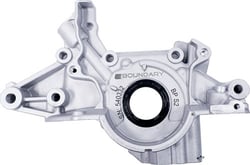

What Is an Engine Oil Pump and Why Does It Matter?
The oil pump is one of the most critical components in any engine — and that's doubly true for the demanding environments faced by RV and marine powerplants. Acting as the heart of the lubrication system, the oil pump draws oil from the sump and forces it under pressure through the engine's oil galleries, delivering a continuous film of lubricant to bearings, camshafts, crankshafts, and other high-friction surfaces. Without this steady flow of pressurized oil, metal-on-metal contact would quickly cause catastrophic engine damage.
In RV and marine applications, oil pumps face unique challenges that go beyond typical automotive use. Marine engines often run at sustained high RPMs while under heavy load, and they operate in environments where heat dissipation is less efficient than in road vehicles. RV engines, meanwhile, are frequently pushed hard climbing grades while towing or carrying significant weight. In both cases, maintaining adequate oil pressure isn't just a performance concern — it's a matter of engine survival.
Signs Your Oil Pump May Need Replacement
Because the oil pump operates deep within the engine, its problems are easy to overlook until they become serious. Common warning signs include:
- Low oil pressure warning light — A persistent or flickering oil pressure indicator on your dash should never be ignored.
- Engine noise — Knocking, ticking, or whirring sounds from the valvetrain or lower end can indicate insufficient lubrication pressure.
- Overheating — Oil also helps carry heat away from internal components; a failing pump can contribute to thermal stress.
- Visible metal shavings in oil — A sign that bearing surfaces are wearing due to lubrication failure.
In high-hour marine engines or RVs with significant mileage, replacing the oil pump during a major overhaul is considered standard preventive maintenance — far cheaper than an engine rebuild caused by lubrication failure.
What to Consider When Shopping for an Oil Pump
Not all oil pumps are created equal. When selecting a replacement, consider factors like pump displacement (standard vs. high-volume), gear tolerances, material quality, and compatibility with your specific engine's oil clearances. High-volume pumps can be beneficial in engines with worn bearings, but they must be matched correctly to avoid over-pressurizing seals and gaskets. Always verify fitment against your engine's make, model, and year to ensure proper performance.
Top Brands in Marine & RV Oil Pumps
When it comes to trusted names in engine oil pumps for RV and marine use, ACL Bearings stands out as a go-to source among engine builders and rebuilders. ACL is globally recognized for precision-engineered engine components, and their oil pumps reflect the same exacting tolerances and quality materials that have made their bearing sets a staple in professional engine shops. For anyone undertaking a serious marine or RV engine rebuild, ACL Bearings delivers the reliability and fit accuracy that demanding applications require.