



Racor Gasoline Fuel Filters
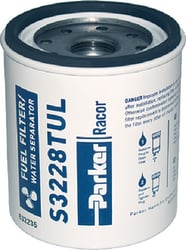
Racor S3228TUL Aquabloc Replacement Filter Element for Gas Fuel/Water Separators

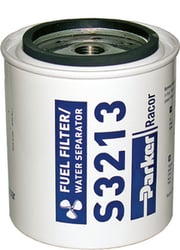
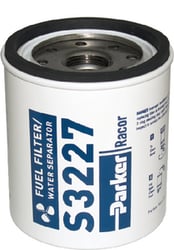
Racor S3227 Aquabloc Replacement Filter Element for Gas Spin-On Fuel/Water Separators
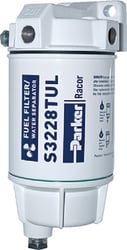
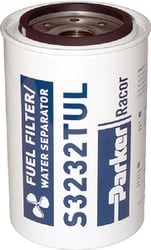
Racor S3232TUL Aquabloc Replacement Filter Element for Gas Fuel/Water Separators
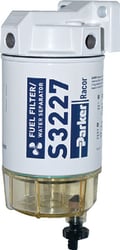
Racor 320R-RAC-01 Spin-On Fuel Filter Water Separator 10 Micron with Clear Bowl for Outboards
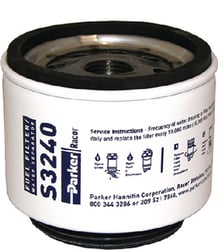
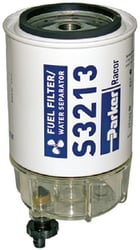
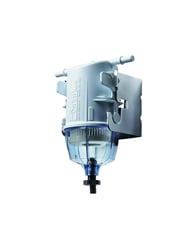
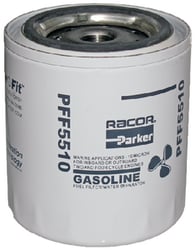
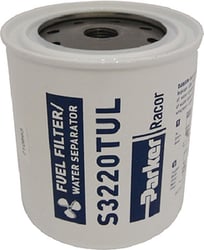
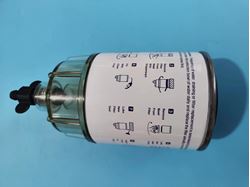
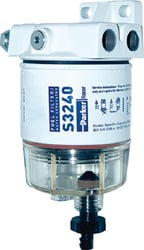
Racor 120R-RAC-01 Spin-On Fuel Filter Water Separator 10 Micron 30 GPH Outboard
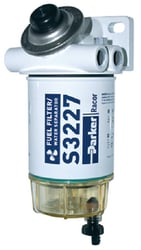
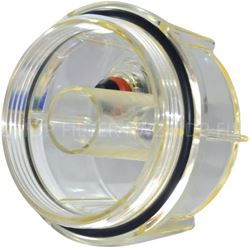
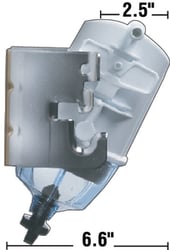
Racor 23299-30 Snapp Fuel Filter Assembly with Mounting Bracket for Engines up to 140 HP
Racor 23299-02 Snapp Fuel Filter Assembly with Mounting Bracket for Engines up to 140 HP
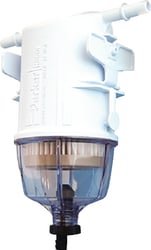
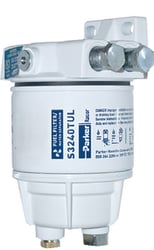
Racor 120R-RAC-02 Spin-On Fuel Filter Water Separator 10 Micron Aluminum Bowl Marine
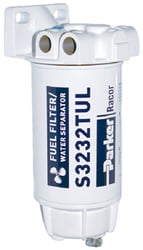
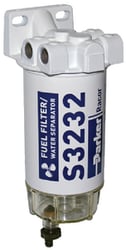
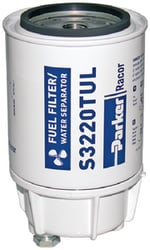
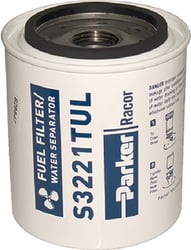
Racor S3232 Aquabloc Replacement Filter Element for Gas Spin-On Fuel/Water Separators
- 1
- 2
Why Gasoline Fuel Filtration Matters on the Water
Unlike car engines operating in relatively clean environments, marine engines face constant assault from water intrusion, biological growth, and inherent fuel system vulnerabilities. A gasoline fuel filter may be one of the least glamorous components aboard your boat or RV, but it serves as the critical last line of defense between contaminated fuel and a costly engine breakdown — potentially miles from shore.
Your engine's fuel filter catches dirt or debris before it can enter the fuel system. Some contaminants will simply reduce your fuel economy, while others can permanently damage your engine. Engine injectors are built to very tiny tolerances, meaning even the smallest bit of dirt or grime can clog them. The fuel filter keeps those injectors clean, allowing them to do their job and keep your engine running strong.
The Unique Challenges of Marine Gasoline Engines
Boats battle a unique and harsher reality: water is the enemy. Condensation within partially full fuel tanks is a major problem due to temperature swings and boat movement. Water sinks below gasoline, accelerating corrosion within the tank and fuel lines, and creating ideal conditions for microbes.
Modern gasoline often contains ethanol (E10). While beneficial for emissions, ethanol is hygroscopic — it absorbs water — and can dissolve older rubber fuel lines and fiberglass fuel tanks, dumping debris and resin directly into your fuel system. Boats also experience significant vibration and movement, shaking loose scale and debris inside fuel tanks over time. This agitation keeps contaminants suspended and headed straight for the engine.
Primary water-separating filters are strongly recommended for all gasoline marine engines, followed by any factory secondary filter. One result of the change to ethanol-blended fuels has been the installation of more comprehensive fuel filtration systems aboard many gasoline-powered boats. This kind of "multi-stage" fuel filtration has been standard practice on diesel engine installations for many years, but is now quite sensibly being adopted by many gasoline outboard and sterndrive powered boat owners to prevent fuel-related reliability issues.
What Gasoline Fuel Filters Do
These filters protect engines by removing water and contaminants before fuel reaches injectors or carburetors. The best marine gasoline fuel filters combine particulate filtration with water separation in a single assembly. Clear "see-thru" collection bowls let you see waste water and contaminant levels at a glance — a simple feature that makes routine inspection quick and hassle-free. For enclosed engine compartments and inboard applications, ABYC regulations prohibit the use of a filter with a clear sight bowl for inboard gasoline motors; instead, an aluminum bowl version or a compatible disposable filter is required.
Micron Ratings: Choosing the Right Filter Element
Consider filter micron ratings, flow rates, and mounting configurations when selecting the right fuel filter for your application. Micron rating determines how fine a particle the filter captures. Adding a 10-micron fuel filter/water separator upstream of the engine filter is a good way to help reduce the contaminants that might load up the stock fuel filter — many of which filter in the two-micron range. A 30-micron element works well as a coarser pre-filter, while a 10-micron unit provides a finer barrier suited to most gasoline outboard and sterndrive installations.
Maintenance: Keeping Your Fuel System Healthy
Inspect primary and secondary filters at least once each season. Replace elements at least every 100 hours of operation or sooner if restriction increases. Drain accumulated water from separator bowls whenever you see water or after rough weather and fuel dock changes. Carrying spare filter elements and gaskets on board for quick underway service is always smart seamanship. A regular automotive fuel filter just isn't built for the marine world — car filters don't meet the strict U.S. Coast Guard fire safety standards and aren't designed for an enclosed engine space where gas fumes can build up, making them a major fire hazard.
Gasoline fuel filters for RV and marine use come in spin-on, inline, and canister-style configurations to suit everything from small personal watercraft to large inboard-powered cruisers. Selecting the right filter means matching the assembly's flow rate and micron rating to your engine's specifications — and committing to the regular maintenance schedule that keeps it working effectively all season long.