



Diesel Fuel Filters
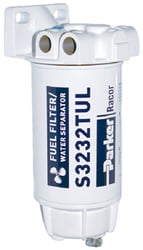

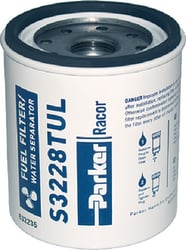
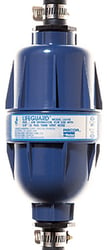
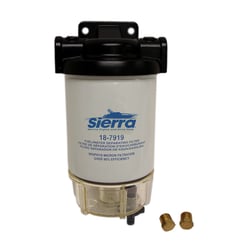

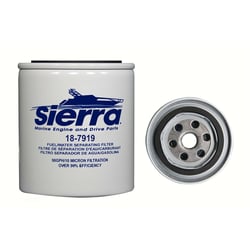
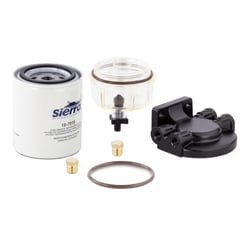
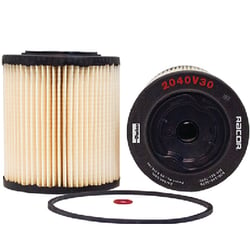
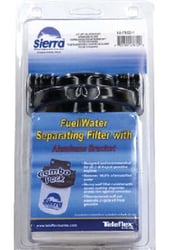
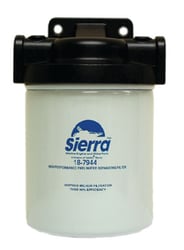
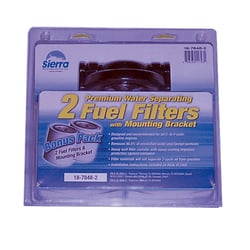
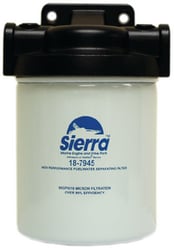
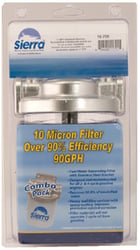
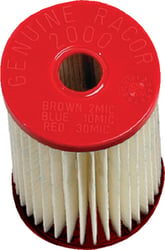
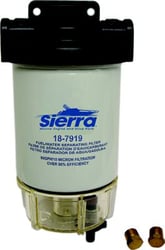
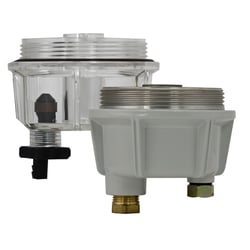
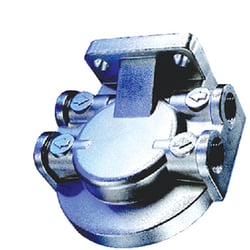
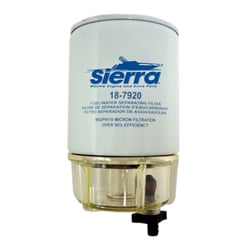
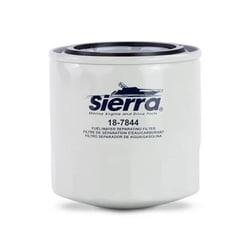
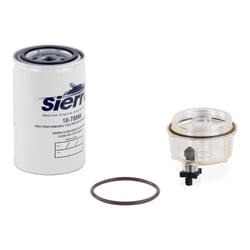
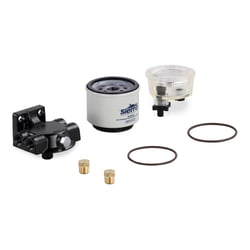
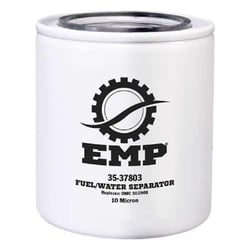

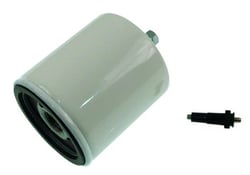
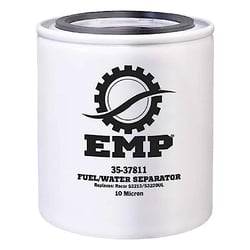
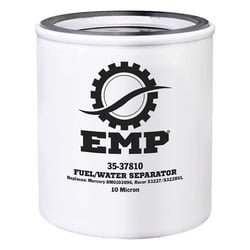
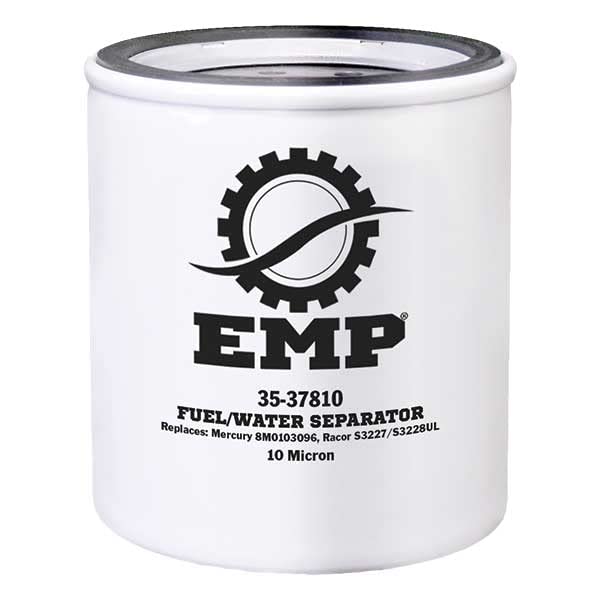 Representative Photo, actual item may vary
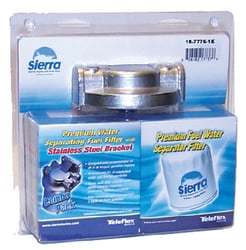
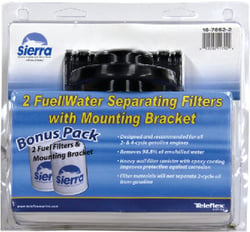
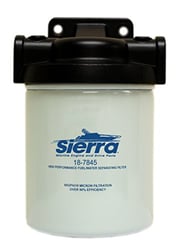
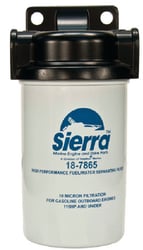
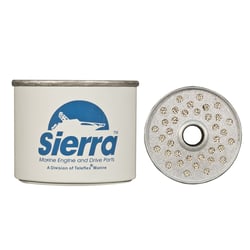

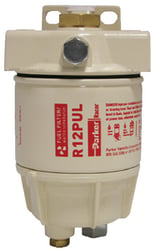
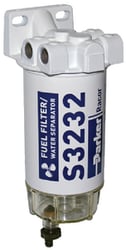
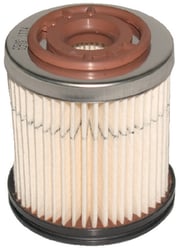

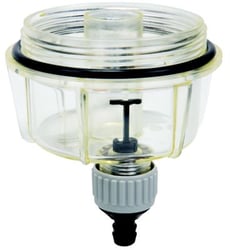
Racor RK 11-1606-1 Clear Bowl Kit for 900/1000 Series Fuel Filter Separators
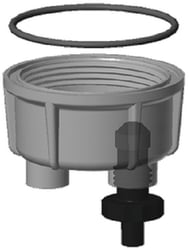
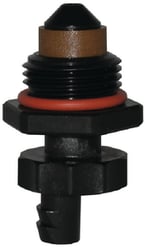
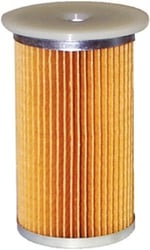

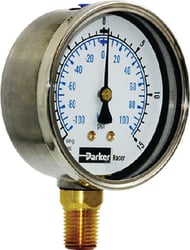
 Representative Photo, actual item may vary
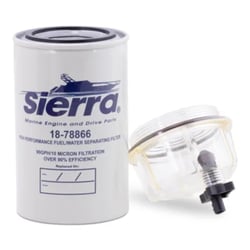
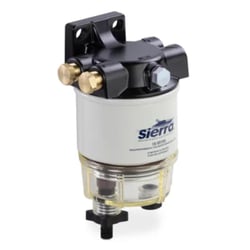
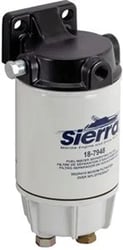
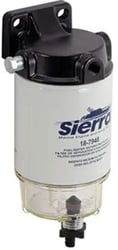
 Representative Photo, actual item may vary
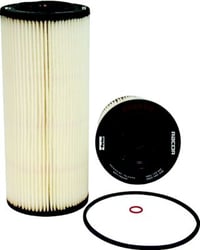
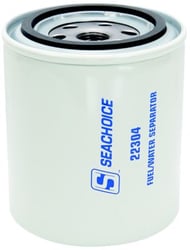
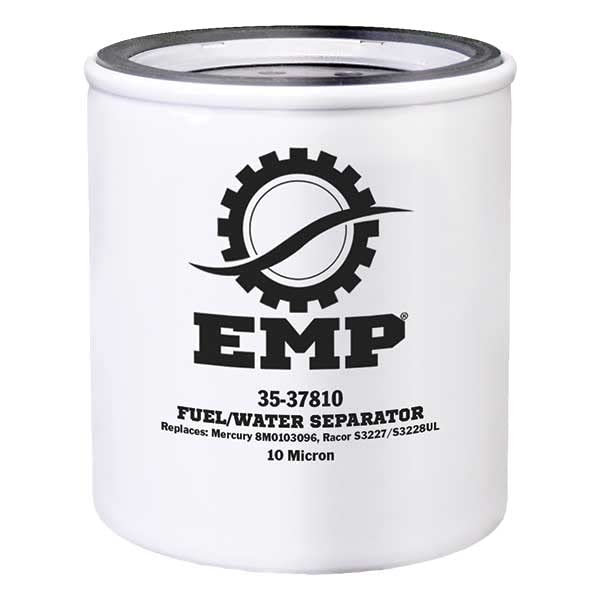
Racor 2020V-02 Aquabloc Replacement Filter Element for Turbine Fuel Filter/Water Separators

 Representative Photo, actual item may vary
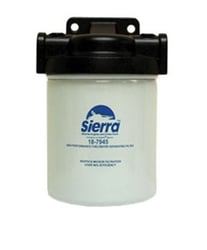
Engineered Marine Products 35-37880 Fuel Water Separator Filter Kit with Visi-Bowl
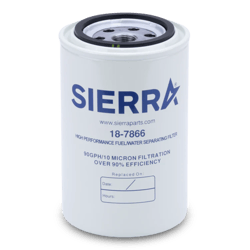
 Representative Photo, actual item may vary
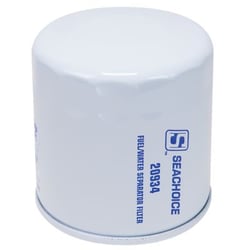
Why Diesel Fuel Filtration Matters for Marine & RV Engines
Diesel engines powering boats and RVs operate in some of the harshest fuel environments imaginable. Water intrusion, condensation, rust particles, algae growth, and sediment from storage tanks are constant threats that can silently erode injector tips, clog fuel pumps, and cause hard starting or complete engine failure at the worst possible moment. A quality diesel fuel filter is one of the most important lines of defense between your engine and a costly breakdown — whether you're offshore, in a remote anchorage, or miles down an open highway in your diesel motorhome.
Marine diesel fuel systems constantly face contamination risks that land-based vehicles rarely encounter. Because boats operate in humid, saltwater environments, fuel filtration systems must be designed to handle not just particulates but also free water and emulsified water that works its way into tanks through vents, deck fills, and condensation. Even small amounts of contamination can gradually damage injectors and reduce engine efficiency, making routine filter maintenance as important as any other service item on your vessel or RV.
How Marine Diesel Fuel Filters Work
Most marine-grade diesel fuel filters combine two functions in a single housing: particulate filtration and water separation. Fuel passes through a pleated filter element rated in microns — the lower the micron rating, the finer the filtration. Common marine elements range from 2 to 30 microns, with finer ratings recommended for modern high-pressure common-rail injection systems that have extremely tight tolerances. Water in the fuel coalesces on the specially treated media surface and falls to a collection bowl at the base of the housing, where it can be drained before reaching the engine.
Many installations use a two-stage setup: a primary filter positioned between the tank and the engine to capture larger contaminants and bulk water, and a secondary filter mounted closer to the engine to catch finer particles. This dual approach provides maximum protection for sensitive fuel injection components and greatly extends service intervals on the engine's own on-board filter.
What to Consider When Choosing a Diesel Fuel Filter
- Micron rating: Match the element micron rating to your engine manufacturer's recommendation and injection system type. Finer ratings (2–10 micron) offer more protection for modern injection systems.
- Flow rate: The filter must handle your engine's total fuel flow at wide-open throttle without starving the engine of fuel.
- Bowl material: Metal bowls are required for marine engine room applications to meet ignition-protection standards. Clear bowls allow easy visual inspection and are suitable for certain outboard and RV installations.
- Mounting configuration: Consider whether on-engine or remote mounting fits your space, and whether a dual or manifold housing is needed for continuous operation without shutting down.
- Water-in-fuel (WIF) sensors: Many housings accept sensors that trigger an alert when accumulated water in the bowl reaches a critical level.
Top Brands in Marine & RV Diesel Fuel Filters
Racor, a division of Parker Hannifin, is the most trusted name in marine diesel fuel filtration. For over 40 years, Racor has engineered filters protecting marine diesel engines from contaminants, and their Turbine Series and Spin-On Series cover everything from compact single-engine installations to high-capacity twin-engine and generator setups. Their proprietary Aquabloc® filter media is engineered to repel water and remove solid contaminants before they can reach precision engine components.
Groco brings decades of marine hardware expertise to fuel filtration. Their filter assemblies feature pressure-tested bronze castings and Marine UL listing, with fine 2–5 micron filtration capability that traps both solids and water from diesel and gasoline fuel lines — a solid choice for sailors and power boaters who demand long-lasting, corrosion-resistant hardware.
Engineered Marine Products offers purpose-built marine fuel filtration solutions focused on the specific demands of onboard diesel systems, making them a go-to for boaters seeking dependable, marine-specific components.
Seachoice rounds out the category with accessible, value-oriented filter options designed to meet the everyday maintenance needs of recreational boaters, offering a reliable entry point for keeping diesel fuel systems clean and protected.