



Reducers, Converters & Specialty Additives

What Are Paint Reducers, Converters & Specialty Additives?
A great marine or RV paint job is rarely the result of topcoat alone. Behind every glossy, durable finish is a carefully assembled system of supporting products — reducers, converters, and specialty additives — that fine-tune how paint behaves from the moment it leaves the can to long after it cures. Whether you're refreshing the hull of a fishing boat, recoating an RV exterior, or laying down a professional-quality topside finish, understanding these products is the difference between a paint job that lasts one season and one that lasts a decade.
Reducers: Getting the Viscosity Right
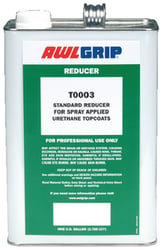
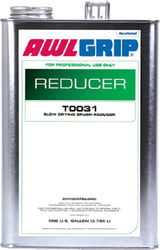
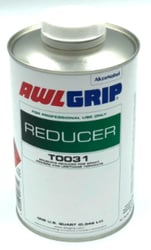
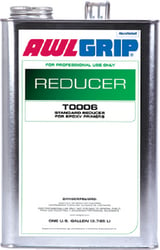
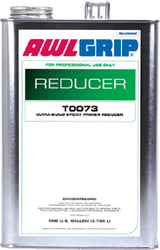
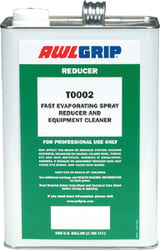
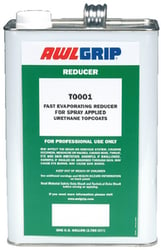
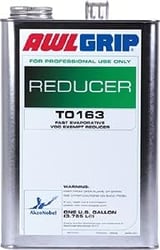
Reducers are formulated solvents used to lower paint viscosity, making coatings flow more smoothly and evenly during application. In marine and RV environments, conditions like temperature, humidity, and application method all affect how a coating behaves. Using a reducer matched to those conditions allows you to dial in the ideal consistency for brushing, rolling, or spraying.
Critically, using the correct reducer matters just as much as using one at all. Using the specific reducer recommended by the paint manufacturer is essential to maintain the chemical integrity, intended finish, adhesion, and durability of the coating — incompatible solvents can cause defects or undermine the entire paint system. Many marine coatings have dedicated reducers engineered for specific temperature ranges, application methods, and VOC compliance requirements.
Converters: Activating Two-Part Systems
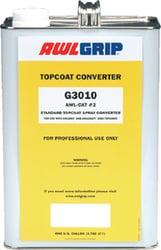
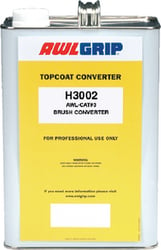
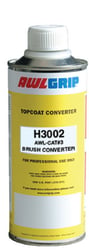
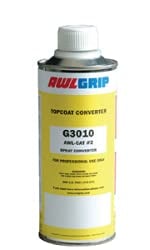
Converters (also called activators or catalysts) are the hardener component used with two-part polyurethane and epoxy coating systems. When mixed with the base paint, they trigger a chemical curing reaction that produces a film with dramatically improved hardness, gloss retention, and resistance to abrasion, UV exposure, and the harsh marine environment. Proper curing is essential to long-term durability — activators and converters support stable, controlled curing across primers, basecoats, and polyurethane finishes, improving film strength, flexibility, and environmental resistance. Different converter formulations exist for brushing, rolling, or spray application, so always match the converter to both your paint system and your application method.
Specialty Additives: Precision Performance
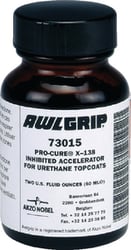
Specialty additives are the fine-tuning tools of the marine and RV coatings world. These purpose-built products address specific challenges that arise during application or service life:
- Flow & Leveling Additives: Help eliminate surface defects like orange peel, brush marks, and roller stipple, promoting a smoother, more uniform film.
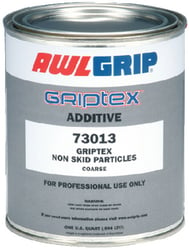
- Non-Skid Additives: Mixed into deck or floor paints to create a textured, slip-resistant surface — critical for safety on wet boat decks and RV entry steps.
- UV Absorbers: Protect pigments and coating resins from photodegradation, extending the service life of exterior finishes exposed to constant sunlight.
- Corrosion-Inhibiting Additives: Form protective barriers on metal substrates, guarding against rust and oxidation that are accelerated by saltwater and humidity.
- Biocide Boosters: Enhance antifouling performance by adding extra biocide protection against marine growth in harsh saltwater environments.
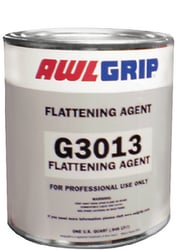
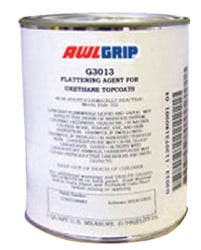
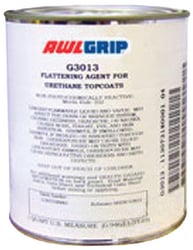
- Flattening Agents: Adjust the sheen level of a coating, allowing painters to achieve a matte, satin, or semi-gloss finish from the same base product.
Choosing the Right Product
The marine and RV environment is uniquely demanding — constant exposure to moisture, UV radiation, salt, and temperature swings means that coatings must perform at the highest level. Choosing products from within the same paint system is always the safest approach, as manufacturers engineer reducers, converters, and additives to work together with their specific coatings chemistry. Always consult the product data sheet for recommended mix ratios, application temperatures, and compatibility notes. And as with all solvent-based products, wear appropriate protective gear, ensure adequate ventilation, and dispose of materials responsibly in accordance with local regulations.