



Sanding Sponges & Finishing Pads

Why Sanding Sponges & Finishing Pads Matter for Marine and RV Maintenance
Whether you're restoring a weathered fiberglass hull, refreshing an RV exterior, or applying a fresh coat of antifouling paint, surface preparation is the foundation of any lasting finish. Sanding sponges and finishing pads are the unsung heroes of that process — offering the control, flexibility, and precision that flat sandpaper sheets simply can't match in real-world marine and RV environments.
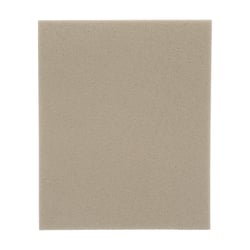
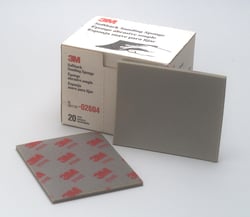
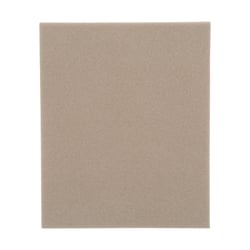
At their core, sanding sponges are abrasive materials mounted to flexible foam or vinyl backing used to deliver final finishes or consistent scruffing and scratching to a given surface. That foam or vinyl core is what sets them apart: rather than working against curved hulls, compound contours, or tight corners, the pad conforms to the surface — ensuring even pressure and a consistent cut across the entire contact area.
The Role of Sanding in Marine & RV Surface Prep
Fiberglass boats rely on a tough gelcoat layer to protect the hull from water and UV damage. When refinishing or repairing that surface, sanding is essential — but it must be done carefully to avoid cutting through the gelcoat or distorting contours. Sanding sponges are especially well-suited here: their flexibility allows them to follow the curves of a hull without the risk of flat-block gouging.
The same logic applies to RVs, where exterior panels, trim, and molded fiberglass cap sections present similar contouring challenges. Proper sanding ensures better paint adhesion, smoother primer coats, and a more professional final result. Sanding is vital for smoothing out the surface, which not only achieves a superior finish but also ensures that the paint holds properly afterward.
When it comes to grit selection, the process typically follows a progression: coarser grits (40–80) for stripping old paint or removing significant oxidation, medium grits for leveling and blending, and finer grits — ranging up through microfine grades of 1200–1500 — for final prep and finishing before polishing or topcoating. Wet sanding, which reduces dust and yields a finer finish, is particularly important when working on gelcoat where heat and scratch depth must be carefully managed.
Sanding Sponges Are Perfect for Hard-to-Reach Areas
One of the biggest advantages of sanding sponges over rigid blocks is their ability to access tight spots. Sanding sponges are the perfect solution for getting into crisp corners that would otherwise be difficult to sand with sheets or disc products, and can be used either wet or dry. On a boat, that means chines, transom corners, keel transitions, and areas around hardware cutouts. On an RV, it means window frames, door jambs, and trim edges — anywhere a flat abrasive would skip across rather than conform to the surface.
Top Brands in Sanding Sponges & Finishing Pads
3M is the leading name in marine and automotive sanding sponges. Their Softback Sanding Sponge line features aluminum oxide mineral coated on a foam pad with a waterproof bonding system, making them suitable for both wet and dry use across wood, fiberglass, gelcoat, marine paints, metals, and plastics. The aluminum oxide abrasive is engineered to self-fracture as it wears, continually exposing new sharp cutting edges — maintaining cutting effectiveness and extending the life of the abrasive well beyond what conventional sandpaper offers. In independent marine testing, 3M sanding sponges have been noted as handy for finish sanding on wood and between coats of varnish or enamel, and are exceptionally long-lasting — and if the sponge loads up, it can often simply be rinsed clean and reused.
What to Look for When Shopping
- Grit range: Choose a sponge or pad matched to your task — coarse for stripping and leveling, fine to ultrafine for finish work before polishing.
- Wet or dry capability: For marine applications especially, a waterproof bonding system is critical so pads don't delaminate during wet sanding.
- Flexibility: Softer foam backing is ideal for contoured surfaces like hulls and RV caps; firmer pads suit flat panels where consistent flatness matters.
- Abrasive mineral: Aluminum oxide and silicon carbide are the dominant choices for marine prep — both deliver durability and reliable cut on fiberglass, gelcoat, and coatings.