



Slip Ring & Traditional Anchors
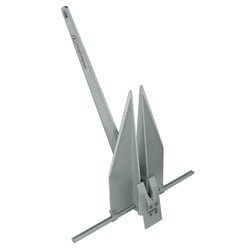

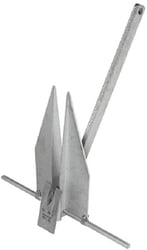
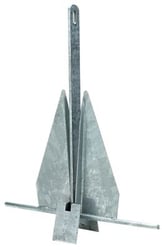

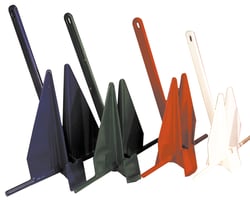

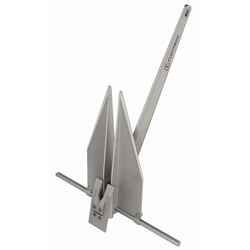
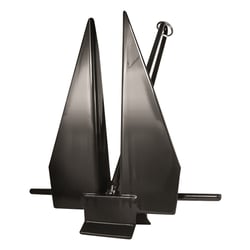
Greenfield Products 669-11-B Fluke-Type Slip Ring Anchor 11 lb PVC Coated Black
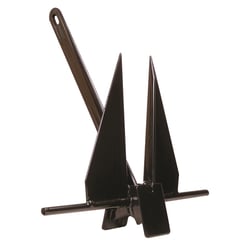
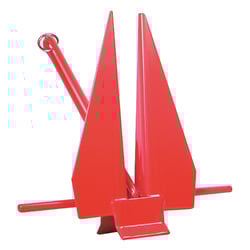
Greenfield Products 669-11-RD Fluke-Type Slip Ring Anchor 11 lb PVC Coated Red
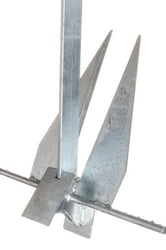
 Representative Photo, actual item may vary
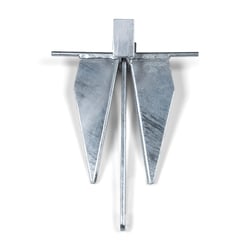
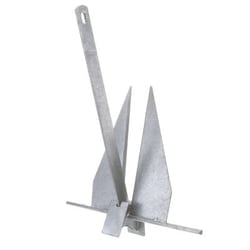
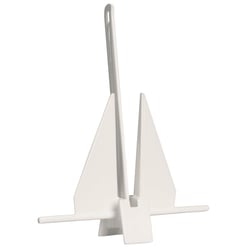
Greenfield Products 669-11-W Fluke-Type Slip Ring Anchor 11 lb PVC Coated White

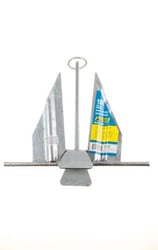
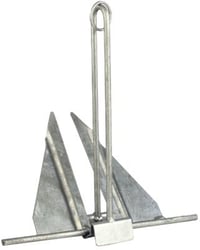
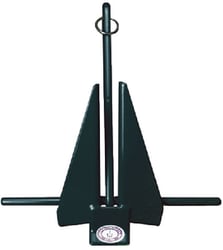
Greenfield Products 669-6-RD 6 lb Fluke-Style Slip Ring Anchor with PVC Coating
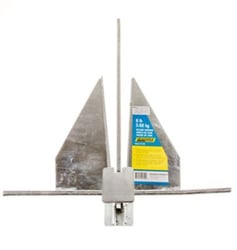
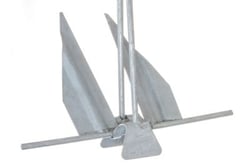
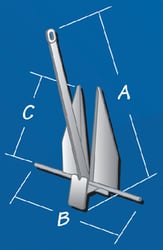
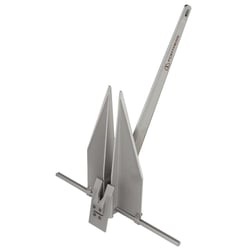
Tie Down Engineering 95070 Super Hooker #85 Galvanized Fluke Anchor 2800 lb Holding Power

Tie Down Engineering 95065 Super Hooker #65 Fluke Anchor 75 lb 2400 lb Holding Power
Tie Down Engineering 95060 Super Hooker #40 Galvanized Fluke Anchor 1600 lb Holding Power
Choosing the Right Anchor: Slip Ring & Traditional Anchors Explained
Every time you drop the hook, you're trusting your anchor to keep your vessel right where you want it — whether that's a calm cove, a busy anchorage, or an open roadstead with a weather system rolling in. Slip ring and traditional anchors are the workhorses of the anchoring world, designed to dig into the seabed and hold firm against wind, current, and tide. Understanding how they work — and which design suits your boat and your typical bottom conditions — is essential knowledge for any serious boater.
What Are Slip Ring Anchors?
A slip ring anchor features a ring on the shank that allows the anchor rode (rope or chain) to slide freely to the crown of the anchor. This clever design means that if the anchor becomes fouled or the current reverses, upward pull on the ring trips the anchor free from the bottom rather than dragging it uselessly along the seabed. The result is dramatically easier retrieval — especially in rocky, weedy, or debris-strewn environments where conventional anchors tend to become permanently stuck. Slip ring anchors are a popular choice among coastal cruisers and anglers who frequently anchor in varied or challenging bottom conditions.
Traditional Anchors: Time-Tested Holding Power
Traditional anchor designs — including fluke (Danforth-style), claw, plow, and delta anchors — have decades of proven performance behind them. Each style excels in specific seabed conditions:
- Fluke/Danforth anchors set quickly and hold exceptionally well in sand and mud, making them a top choice for powerboats and lighter vessels.
- Claw anchors are renowned for setting quickly in a wide variety of bottom types — sand, mud, rock, and grass — and for re-setting reliably when wind or current shifts direction.
- Plow and delta anchors offer deep penetration into the seabed and exceptional holding power, favored by overnight cruisers and bluewater sailors who need to trust their ground tackle in challenging conditions.
Matching the anchor style to your typical anchoring environment — and sizing it correctly for your vessel's length and displacement — is the single most important factor in anchoring safely and confidently.
Key Considerations When Shopping for an Anchor
- Seabed type: Sand, mud, rock, grass, and mixed bottoms each favor different anchor designs.
- Boat size and weight: Always follow manufacturer sizing charts — an undersized anchor is a safety hazard.
- Material: Galvanized steel offers economy and durability; stainless steel adds corrosion resistance and aesthetic appeal.
- Stowage: Consider how the anchor fits on your bow roller or in an anchor locker before purchasing.
- Windlass compatibility: Self-launching designs like plow and delta anchors are engineered to deploy and retrieve smoothly with windlass systems.
Top Brands in Slip Ring & Traditional Anchors
Lewmar is a globally recognized leader in marine anchoring systems with a history dating back to 1946. Their lineup includes iconic designs like the Delta® and Claw anchors, each engineered for strong holding power across a wide variety of seabeds. The legendary Lewmar Delta® anchor is a Lloyd's Registered, self-launching design balanced to fall unaided from bow rollers — making it ideal for use with remote-operated windlasses — and is backed by a lifetime guarantee against breakage.
Tie Down Engineering brings a broad and value-oriented selection to the category, offering boaters a wide range of anchor styles and sizes suited for everything from small fishing boats to larger recreational vessels. With 25 products in this category alone, Tie Down Eng is a go-to source for boaters who want reliable ground tackle at an accessible price point.