



Tilt/Trim Motors
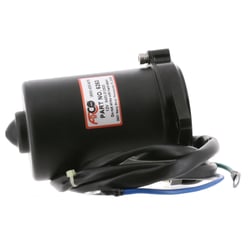

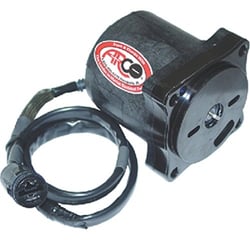
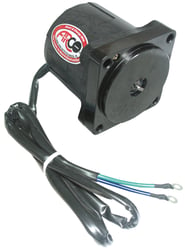
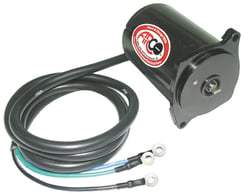
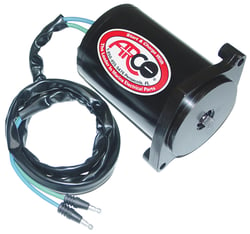
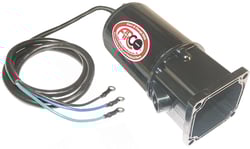
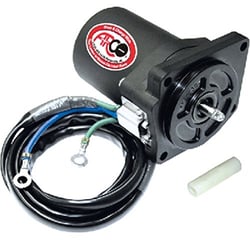
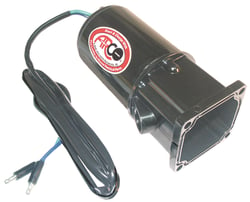
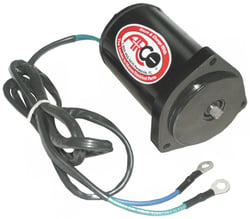
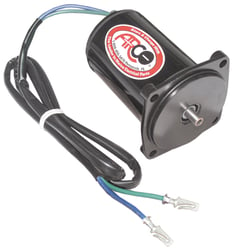
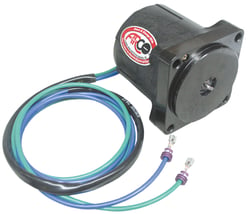
Arco Starting & Charging 6276 Trim Tilt Motor for Mercury Mariner Force Outboards
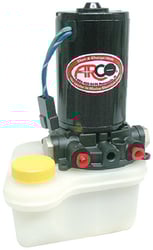
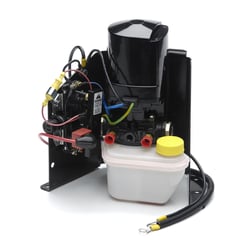

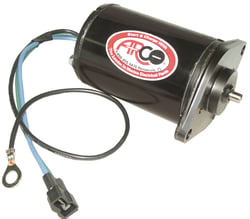
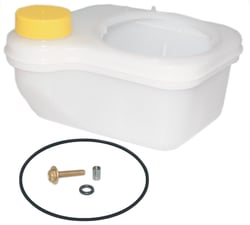
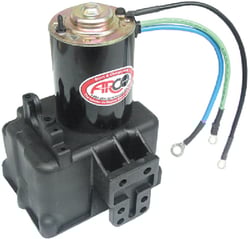
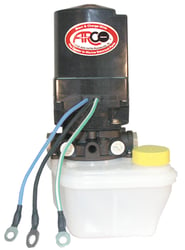
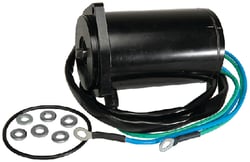
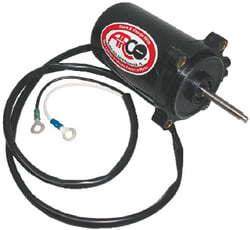
Arco Starting & Charging 6217 Power Tilt Trim Motor with Reservoir for MerCruiser Volvo Penta
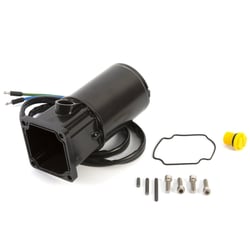
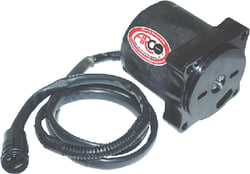
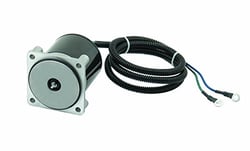
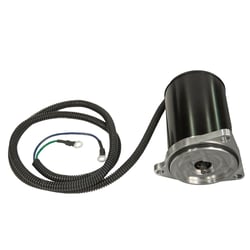
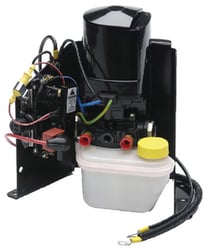
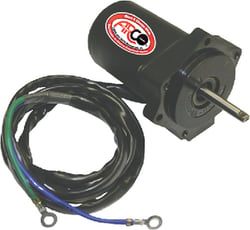
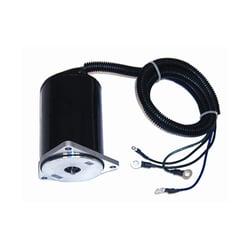
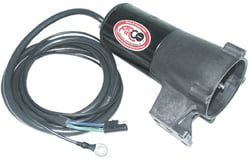
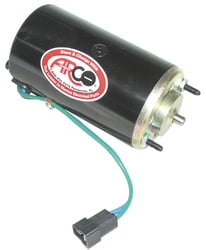
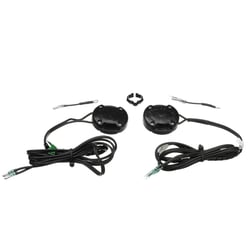

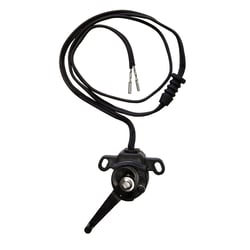
What Is a Marine Tilt/Trim Motor?
Every boater who has ever fine-tuned their hull's attitude at speed — or lifted their outboard clear of the water before backing onto the trailer — has the tilt/trim system to thank. Tilt and trim are two distinct but related functions handled by a single hydraulic system mounted at the engine transom bracket. Understanding how they work together is the first step to knowing when your motor needs attention.
Tilt/trim motors are the electric heart of this system. As described by the system's mechanics, trim refers to fine angle adjustments made while the boat is underway — typically across a range of about 20 degrees — to optimize the hull's running attitude for speed, fuel economy, and ride comfort. Tilt, on the other hand, is the full up-and-down movement used for launching, retrieving, or navigating shallow water. Both movements are powered by the same reversible 12-volt DC electric motor working in tandem with a hydraulic pump and rams.
Why the Tilt/Trim Motor Matters
The tilt/trim motor is the component that makes effortless, on-the-fly engine angle adjustment possible. When it works correctly, trimming in helps a heavy-loaded boat get up on plane quickly, while trimming out at speed reduces hull drag and improves fuel efficiency. The tilt function keeps the prop and lower unit safely out of harm's way when loading onto a trailer or navigating skinny water.
When the motor fails, those adjustments become manual — or impossible. A failing tilt/trim motor can leave an engine stuck in the wrong position, affect handling and performance, and make trailering dangerous. Because these motors are exposed to a harsh marine environment — vibration, saltwater spray, and continuous electrical load — they are a common wear item on outboard and sterndrive-equipped boats.
Key Considerations When Shopping for a Replacement
- Engine compatibility: Tilt/trim motors are highly application-specific. Always match the replacement to your engine make, model, and year. Cross-reference OEM part numbers when available.
- Motor type: There are two main designs — wire wound field motors (typically three wires, higher current draw, used with solenoids) and permanent magnet motors (usually two wires, lower current draw, used with relays). Confirm which type your engine uses before ordering.
- OEM vs. aftermarket: Quality aftermarket motors engineered to meet or exceed OEM specifications offer a cost-effective alternative. Look for units that meet industry standards for marine electrical components.
- Complete unit or motor only: In some cases, only the electric motor requires replacement; in others, the entire tilt/trim assembly is the better repair path. Consult your engine's service manual to determine the correct approach.
- Warranty: Given the harsh marine environment, choose brands that back their products with a meaningful warranty.
Top Brand: Engineered Marine Products (EMP)
Engineered Marine Products (EMP) is a well-established name in marine aftermarket parts. EMP covers a broad range of outboard and sterndrive applications — including BRP (Johnson/Evinrude), Mercury/Mariner, Yamaha, MerCruiser, OMC, and Volvo Penta — making it a go-to source for boaters seeking reliable, specification-matched replacements without paying OEM prices. Their tilt/trim motors are part of a comprehensive electrical systems catalog that spans the full spectrum of marine engine service parts.