



Anodes/Zincs
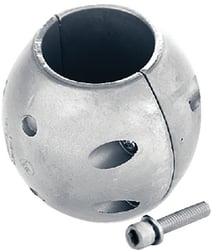
Martyr Anodes CMX15 Streamlined Shaft Anode with Stainless Steel Allen Head - Zinc

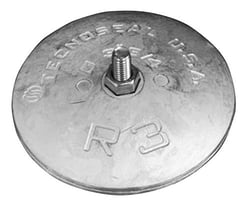

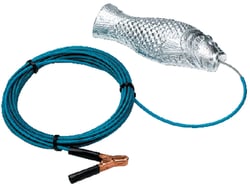
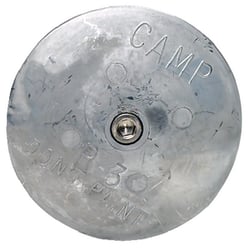
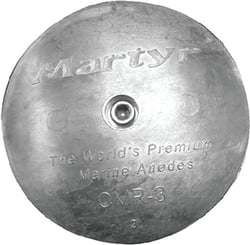
Martyr Anodes CMR03S Streamlined Rudder Zinc Anode with Slotted Stainless Steel Hardware
Martyr Anodes CMR05 Rudder & Trim Tab Anode with Stainless Steel Allen Head Screw
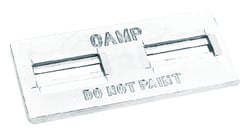

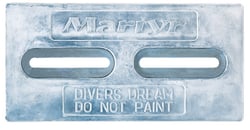
Martyr Anodes CMDIVERMINIM Diver's Dream Hull Anode 6" x 4" x 1/2" Magnesium
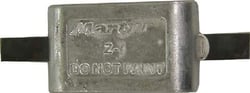
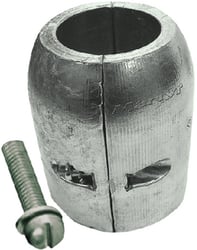
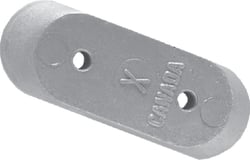
Martyr Anodes CMR04M Magnesium Rudder/Trim Tab Anode with Stainless Steel Allen Head Screw
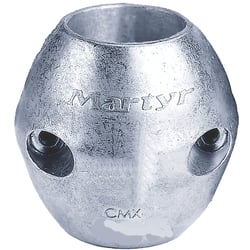
Martyr Anodes CMX07 Streamlined Shaft Anode with Stainless Steel Allen Head Screw, Zinc
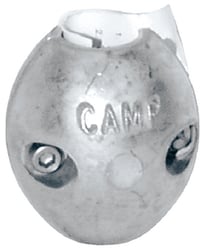
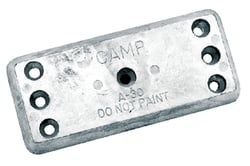
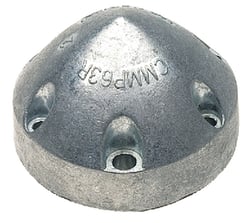
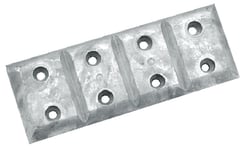
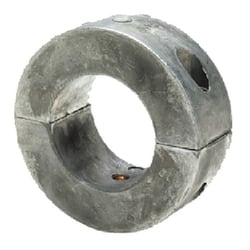
Essential Corrosion Protection for Marine Equipment
Marine anodes and sacrificial zincs are critical components that protect underwater metal surfaces from the destructive effects of galvanic corrosion. When dissimilar metals are submerged in an electrolyte like saltwater, brackish water, or even freshwater, an electrochemical reaction occurs that can rapidly corrode propellers, shafts, rudders, trim tabs, outdrives, and other essential components. Sacrificial anodes work by intentionally corroding themselves first, giving up their electrons to protect more valuable metal parts from deterioration.
Understanding which type of anode to use is crucial for effective protection. Zinc anodes are the traditional choice for saltwater environments, offering reliable performance in marine applications. Aluminum anodes provide versatile protection across salt and brackish water conditions and last longer than zinc. Magnesium anodes are specifically designed for freshwater use, where zinc and aluminum can become ineffective due to passivation. Each material has a different electrochemical potential that makes it suited to specific water conditions and metal combinations.
Types of Marine Anodes
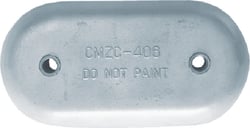
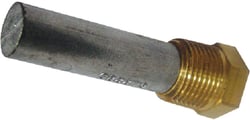
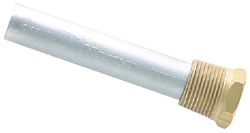
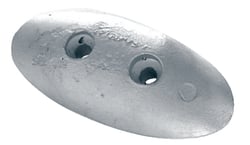
Marine anodes come in numerous configurations to protect different parts of your vessel. Shaft anodes mount directly onto propeller shafts using collar or barrel designs. Hull anodes attach to the exterior hull surface to protect underwater metal fittings. Rudder and trim tab anodes are specifically shaped to mount on steering and stabilization components. Engine anodes, often called pencil anodes, thread into engine blocks and heat exchangers to protect internal cooling systems. Outdrive anode kits include all the pieces needed to protect sterndrive units from multiple manufacturers.
Regular inspection and replacement of sacrificial anodes is essential maintenance for any marine equipment. Most experts recommend replacing anodes when they've eroded to about 50-70% of their original size, which typically occurs annually for boats in saltwater slips. Anodes that aren't corroding may indicate electrical problems or poor metal contact. The small investment in quality anodes prevents costly repairs to propellers, shafts, engines, and other components that would be far more expensive to replace.
Top Marine Anode Manufacturers
Martyr Anodes stands as the industry leader, offering all three alloy types—zinc, aluminum, and magnesium—manufactured to strict mil-spec standards. Their anodes are engineered to erode predictably inward, making inspection straightforward and ensuring consistent protection across saltwater, brackish, and freshwater environments.
Camp Zinc is a respected American manufacturer producing high-quality zinc and aluminum sacrificial anodes to military specifications. Their product line covers recreational, commercial, and military vessels with anodes for hulls, propeller shafts, rudders, trim tabs, outboards, stern drives, and engine cooling systems.
Sierra manufactures replacement anodes designed to meet OEM specifications for various marine engines and outdrives. Their anode kits provide convenient, complete protection solutions for popular sterndrive brands, simplifying the replacement process for boat owners.
Whether you operate in saltwater, brackish water, or freshwater, selecting the correct anode material and replacing them on schedule will dramatically extend the service life of your marine equipment and prevent expensive corrosion damage.