



Cable Covers
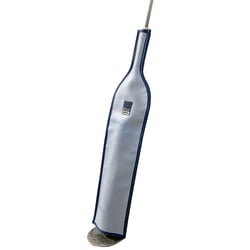
Blue Performance PC892 Large Stay Protector Cover for 5/8 and 3/4 Inch Turnbuckles

 Representative Photo, actual item may vary
What Are Sailing Cable Covers?
Cable covers are a small but essential piece of hardware for any serious sailor or marine enthusiast. In the sailing world, exposed standing rigging, lifelines, and wire runs can cause significant damage over time — not only to the cables themselves, but to everything they come into contact with. Sails, sheets, and hands all bear the brunt of bare stainless steel wire, which can chafe fabric, leave rust stains, and create uncomfortable handling conditions on deck.
Cable covers wrap around wire rigging and lifelines to provide a smooth, protective outer layer. By shielding bare cable, they help keep sails clean and prevent wear from constant contact. Many designs feature a split or snap-on construction that allows them to be installed and removed without disconnecting the wire — making inspection and routine maintenance straightforward.
Why Cable Covers Matter for Sailors
Standing rigging is the backbone of a sailboat's rig, and protecting it pays dividends in both longevity and safety. Bare stainless cable can trap moisture beneath vinyl-coated lifelines, leading to hidden corrosion that goes undetected until it's too late. Snap-on cable covers solve this dilemma by offering a removable layer of protection — you get the sail-friendly surface and hand comfort of a covered lifeline, while retaining the ability to slide the covers off for regular rinsing and inspection.
Beyond rigging, cable covers also serve an important role in protecting electrical wiring runs aboard a vessel or RV. Routing cables through tight spaces, over sharp edges, or across areas exposed to UV light can quickly degrade insulation and lead to costly failures. A well-fitted cable cover acts as a durable barrier against abrasion, ultraviolet exposure, and mechanical damage — keeping onboard systems running reliably.
What to Look for When Shopping Cable Covers
- Material: UV-stabilized plastics are ideal for exposed rigging applications, while leather and heavy nylon are common for protecting electrical and welding cables in more demanding environments.
- Sizing: Cable covers are sized to fit specific wire diameters — a snug fit is essential for effective protection and a clean appearance.
- Closure Type: Split snap-on styles are popular for sailing rigging because they allow quick removal for inspection. Zipper or snap-closure designs work well for longer cable runs.
- UV and Weather Resistance: Marine environments demand materials that won't fade, yellow, or become brittle under constant sun and saltwater exposure.
- Length: Consider the full length of cable run you need to cover — many covers are available in standard lengths and can be cut or joined as needed.
Top Brands in Cable Covers
Best Welds is a well-regarded name in welding and cable protection accessories, offering a comprehensive range of cable covers in leather and heavy-duty black nylon. Their covers feature non-conductive zippers with protective overlap flaps and special "snug-strap" cinching mechanisms at both ends, making them a practical and durable choice for securing cable assemblies in demanding marine and industrial environments.