



Chafe Guards
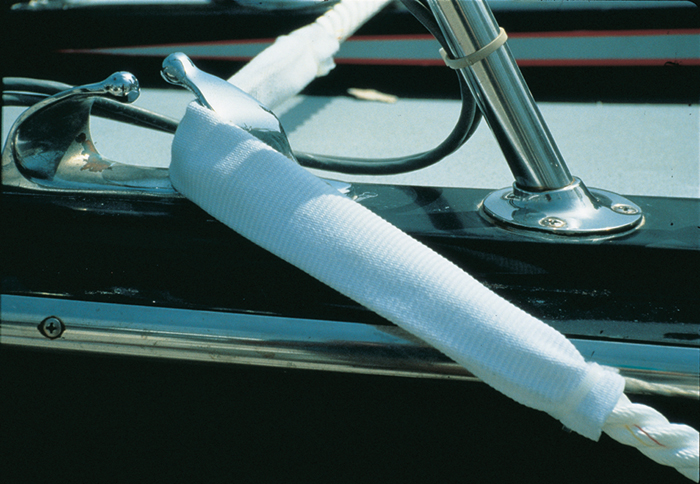 Representative Photo, actual item may vary
Taylor Made Removable Chafe Guard

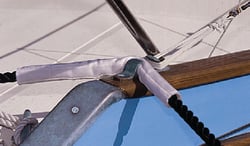

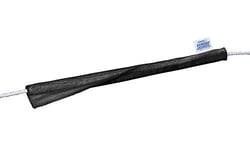


 Representative Photo, actual item may vary
 Representative Photo, actual item may vary
 Representative Photo, actual item may vary
 Representative Photo, actual item may vary
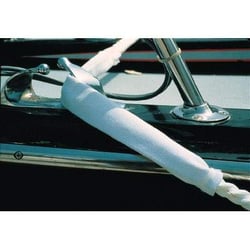
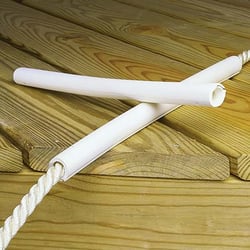
What Are Marine Chafe Guards?
Chafe guards are one of the most important — and most overlooked — pieces of safety equipment on any vessel. Wherever a line contacts a hard or abrasive surface, friction begins to eat away at the rope fibers. Chafe guards act as a protective barrier between the line and that abrasive surface, absorbing the wear so your lines don't have to.
The consequences of ignoring line chafe can be severe. Weakened anchor lines, dock lines, and mooring pennants can fail silently — often during the worst possible conditions, like overnight storms or sustained high winds. A line that chafes through while you're at anchor or on a mooring can set your boat adrift with no warning. Investing in proper chafe protection is one of the simplest ways to protect a very expensive asset.
Where Chafe Occurs on a Boat
Chafe is most common at points of contact: where a line passes through a chock or hawsehole, over a bow roller, across a cap rail or cleat, or anywhere two lines cross. On anchor rodes, the wear point is typically where the line exits the bow roller and bears against the hull or deck hardware during the constant motion of wind and wave. Even mild conditions cause continuous micro-abrasion; rough weather dramatically accelerates the damage.
Types of Chafe Guards
Chafe protection products generally fall into two broad categories:
- Static (permanent) chafe guards are installed in a fixed position on the boat's surface to protect hardware and hull areas from line wear. Once in place, they require no regular adjustment.
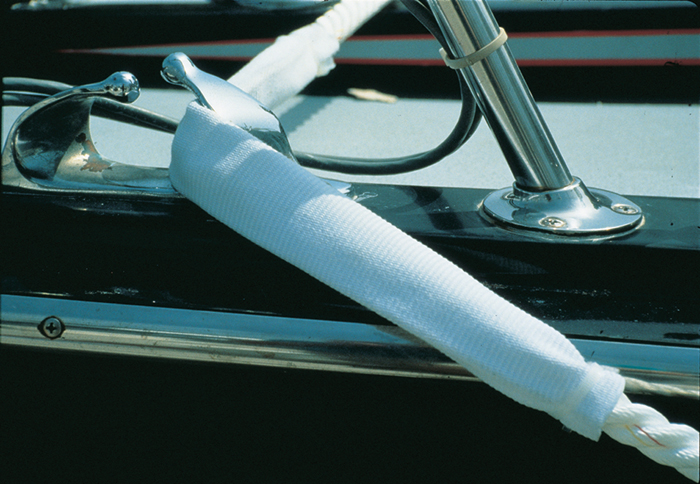
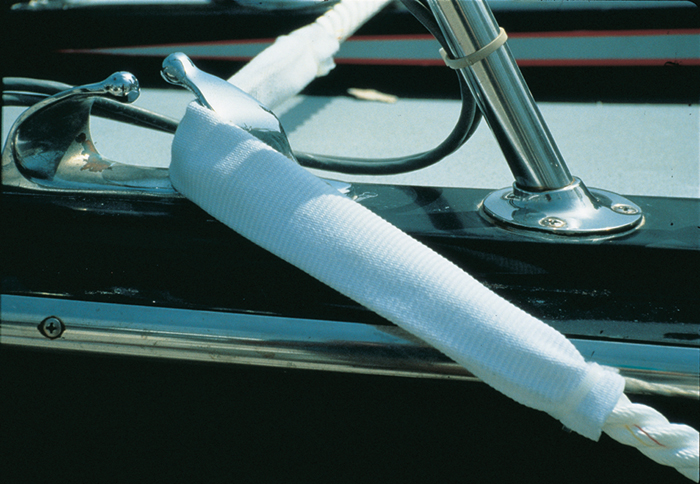
- Dynamic (removable) chafe guards are applied directly to the line itself and can be repositioned as the line stretches or as protection is needed at different points. These are ideal for dock lines, anchor lines, and mooring pennants.
Materials range from UV-stabilized nylon webbing and leather to rubber tubing and polyurethane sleeves — each with trade-offs in durability, ease of installation, and how securely they stay in position during heavy weather. A key factor to look for is whether the guard locks onto the line; guards that migrate away from the wear point during a blow offer little real protection.
What to Look for When Shopping
- Secure attachment: Look for hook-and-loop fasteners or lashing points on the inside of the guard to keep it from sliding away from the friction zone under load.
- Line diameter compatibility: Make sure the guard fits your specific line diameter — most products list a range of compatible sizes.
- Material toughness: UV-stabilized nylon and marine-grade fabrics will hold up far longer in sun and saltwater than standard materials.
- Length: Longer guards offer more coverage at wear points, which matters most for chocks and hawseholes where the contact zone can span several inches.
Top Brands in Chafe Guards
Davis Instruments is a trusted name in marine accessories, and their removable chafe guard line is a go-to solution for boaters protecting anchor lines, dock lines, and mooring pennants. Their guards feature UV-stabilized nylon webbing on the outside and Velcro hook-and-loop fasteners on the inside to grip the rope securely — no extra strings or ties needed — and are designed to be easily repositioned as lines stretch over time.