



DC to DC Converters
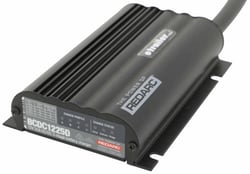

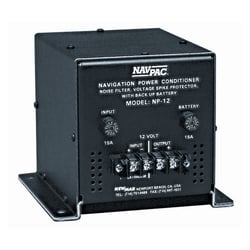

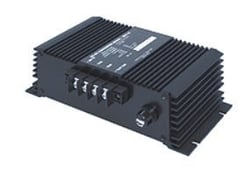

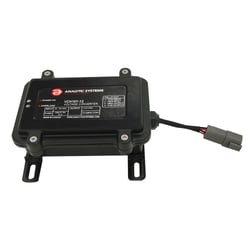
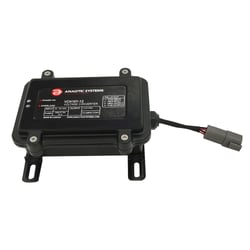
Analytic Systems VCH10W-12 Waterproof IP66 DC Converter 10A 12V Output 20-80V Input

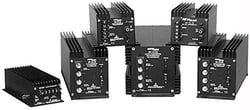
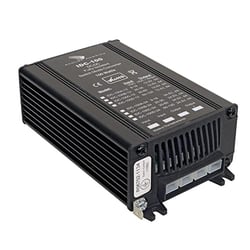
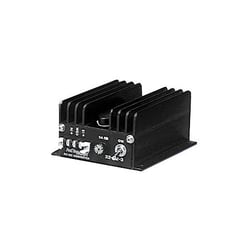
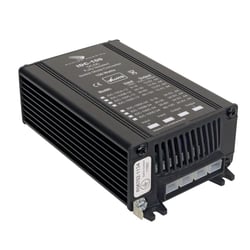
Samlex IDC-100C-12 DC-DC Step-Up Converter 30-60V to 12.5V 8A 100W Isolated
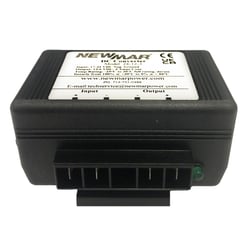
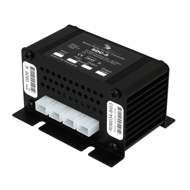
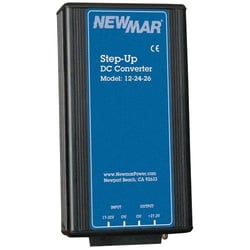
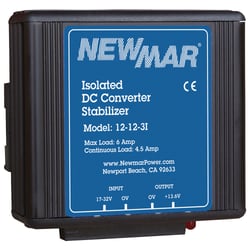
NewMar 32-12-50 DC-DC Converter 20-50V to 13.6V 50A Intermittent 40A Continuous
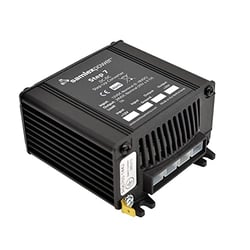
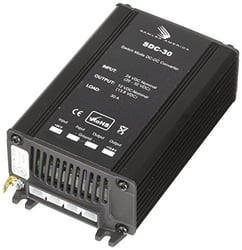

What Is a DC to DC Converter?
A DC to DC converter is a device that changes one direct current voltage into another. It may step voltage down, step it up, or keep it stable when battery voltage changes. In practical terms, this means you can run 12V electronics from a 24V battery bank, or boost a 12V system to feed 24V equipment — all without adding a separate battery or charging system.
Why DC to DC Converters Matter Onboard
Marine systems often combine engines, starter batteries, house batteries, navigation electronics, pumps, lights, refrigerators, and communication devices — and these loads may have different voltage needs, with voltage drop being a real issue because cable runs can be long. A DC to DC converter bridges those gaps cleanly and efficiently.
A DC to DC converter can provide stable power for sensitive electronics such as chartplotters, radios, fish finders, and monitoring systems. Stable voltage also reduces nuisance resets when pumps or winches start drawing current. Beyond marine use, in cars and trucks, DC to DC converters are used to power accessories, charge auxiliary batteries, and manage voltage differences between electrical systems.
Isolated vs. Non-Isolated Converters
One of the most important decisions when choosing a DC to DC converter is whether you need galvanic isolation. Isolated units separate the input and output grounds — the safe choice when grounds differ, for noise-sensitive electronics, or where system integrity is critical. Non-isolated converters are generally more compact and cost-effective for straightforward step-down applications. Isolated DC to DC converters prevent high voltage spikes from damaging sensitive components, thereby reducing downtime and maintenance costs.
Key Considerations When Shopping
- Input/Output Voltage: Match the converter's input range to your source battery bank (12V, 24V, 32V, 48V) and its output to the devices you need to power.
- Amperage and Wattage: Size the converter to handle your total load with headroom to spare.
- Isolation: Choose an isolated unit when grounding schemes differ or when protecting communications and navigation gear.
- Environment: Marine-grade converters are specifically engineered to withstand the demanding salt-air environment.
- Parallel Capability: Some converters can be run in parallel to multiply output current for high-demand systems.
Top Brands in DC to DC Converters
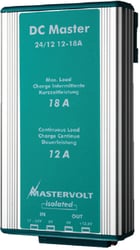
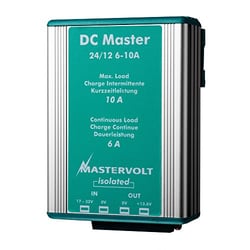
Mastervolt is a globally recognized name in marine power management. Mastervolt systems power all demanding off-grid electricity needs reliably for mariners, RV owners, emergency and commercial vehicles, and more. Their DC Master, Mac Plus, and Magic converter lines span recreational to professional applications, with options for both isolated and non-isolated configurations. With an MTBF of 280,000 hours at full capacity and 24/7 use, Mastervolt's DC to DC converters are engineered for the toughest tasks and any situation that requires a reliable power supply.
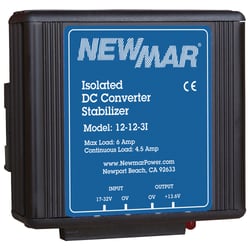
NewMar brings decades of specialized DC power expertise to the marine market. Newmar DC Power has been a leading manufacturer of high-quality communication DC power products for over 50 years, powering essential equipment in industries such as marine, telecommunications, network, land mobile, and automation. NewMar's Standard Series DC to DC converters are designed so that even if the input voltage varies — such as with a draining battery — the output voltage remains constant.