



Fairleads
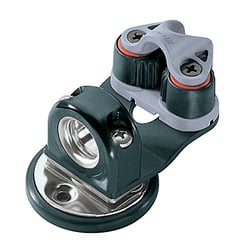

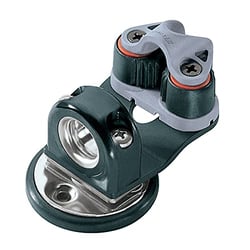
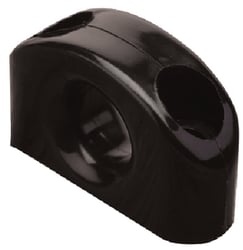

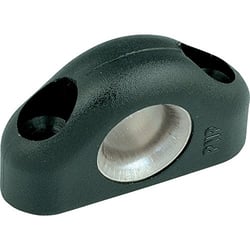
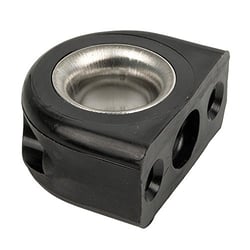
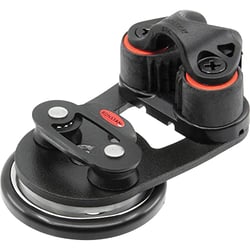
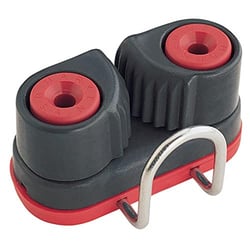
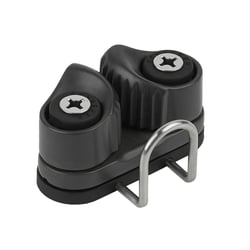

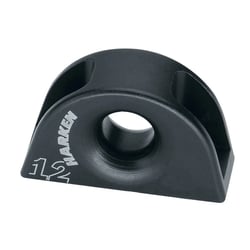
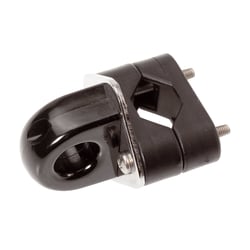

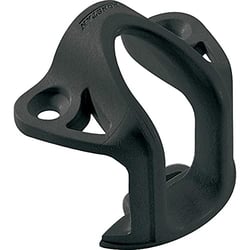
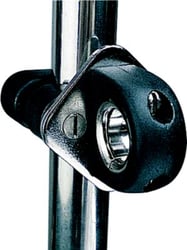
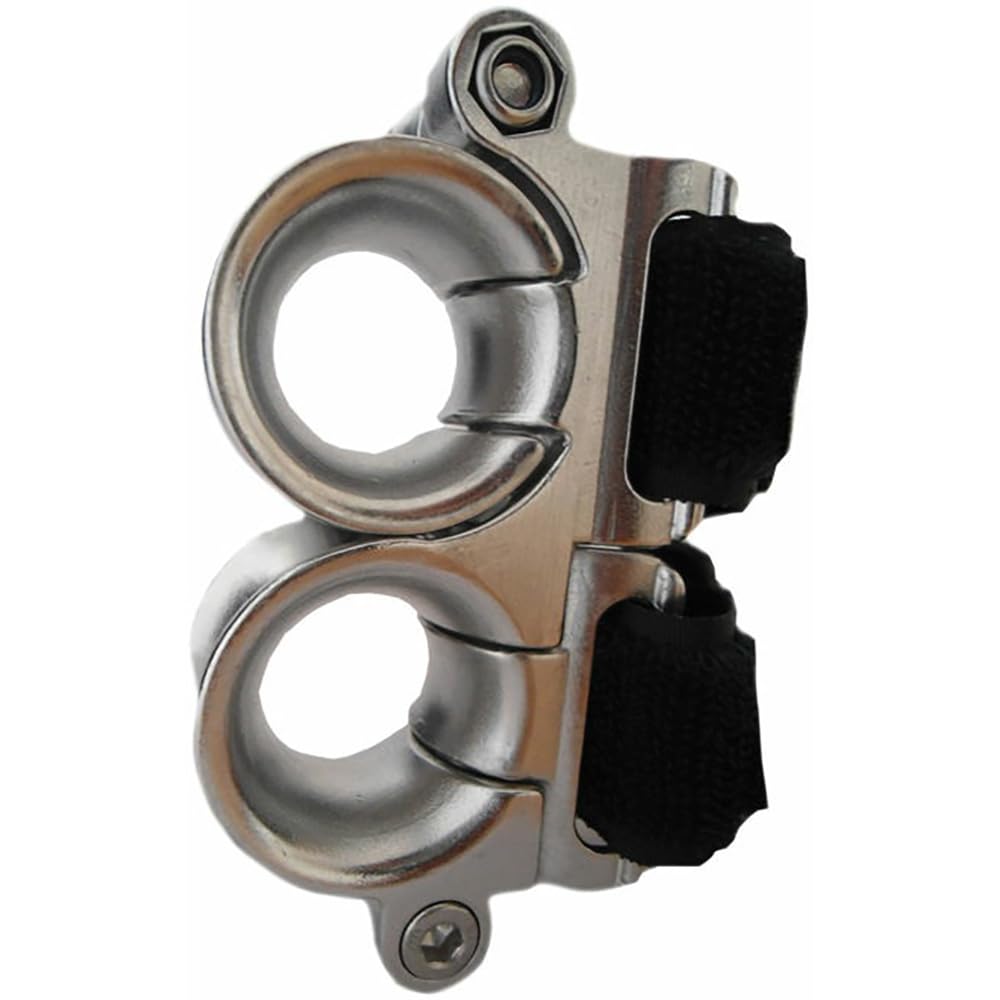 Representative Photo, actual item may vary
 Representative Photo, actual item may vary
What Are Sailing Fairleads?
A fairlead is a deceptively simple but critically important piece of sailing hardware. At its core, a fairlead is a fitting — typically a ring, loop, block, or guided channel — mounted on a boat's deck, cockpit, or mast to direct a line (rope, sheet, or halyard) along a specific path without chafing, binding, or veering off course. The name itself says it all: it leads a line fairly, meaning smoothly and in the intended direction.
Why Fairleads Matter on a Sailboat
Sailboat rigging is a system of carefully balanced forces. Sheets control the angle of the sails, halyards raise and lower them, and control lines manage everything from the boom vang to the cunningham. Every one of these lines needs to travel from its point of load to its point of control — often a winch, cleat, or clutch — without rubbing destructively against deck hardware, stanchion bases, or the hull itself.
Without properly placed fairleads, lines can chafe through quickly, causing premature wear that compromises both safety and performance. A line under load that is forced to bend at an awkward angle generates enormous friction, making it harder to trim sails precisely and putting additional stress on the line's fibers. Over time, this leads to costly rope replacements and, in worst-case scenarios, unexpected line failure at a critical moment. Fairleads solve all of these problems by providing a smooth, low-friction pathway that preserves both the line and the sailor's ability to control the boat efficiently.
Common Types of Fairleads
- Deck-Mounted Fairleads: Fixed fittings bolted to the deck that guide sheets or control lines from a sail attachment point back to a winch or cleat in the cockpit. Often used in pairs to keep lines parallel and organized.
- Cheek Blocks & Lead Blocks: Pulley-style fairleads that reduce friction even further by rolling the line over a sheave rather than sliding it through a fixed eye. Ideal for heavily loaded sheets.
- Turning Blocks: Used to change the direction of a line by 90 degrees or more, allowing control lines to be routed from unusual angles back to a central control station.
- Rail-Mounted & Adjustable Fairleads: Slide along a track on the deck or toe rail, allowing sailors to fine-tune the lead angle of a genoa or jib sheet for optimal sail shape in varying wind conditions.
- Mast & Boom Fairleads: Smaller fittings that guide halyards, reefing lines, or outhaul lines cleanly along the mast or boom, preventing tangles and reducing wear on the spar.
What to Consider When Buying a Fairlead
Choosing the right fairlead depends on several factors. Load rating is paramount — a fairlead must be strong enough to handle the maximum tension the line will experience, which on a larger sailboat can be thousands of pounds. Material matters too: stainless steel offers excellent corrosion resistance in saltwater, while high-grade nylon or acetal plastic fittings can be lighter and gentler on lines. For high-load, high-cycle applications, an anodized aluminum or stainless steel sheave in a block-style fairlead is often the best choice.
Consider also the line diameter the fairlead is designed to accept — a fitting that is too narrow will bind and accelerate wear, while one that is too large may not provide adequate guidance. Finally, think about mounting style: through-bolted deck fittings provide maximum security, while clamp-on or swivel-base options offer more flexibility for temporary installations or charter boats.
Whether you are outfitting a coastal cruiser, a racing dinghy, or a bluewater passage-maker, the right fairleads are a foundational part of a safe, efficient, and well-organized deck layout.