



Ignition Switches
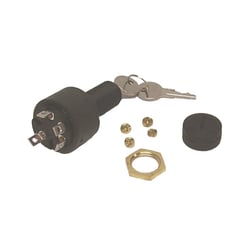

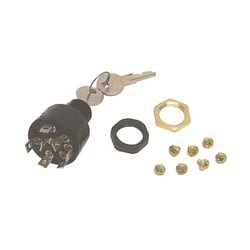
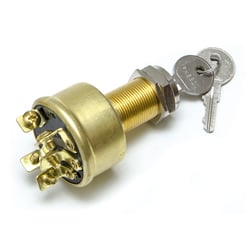
Sierra MP41010 Marine Ignition Starter Switch 4 Position 7 Screw Terminal 12V 15A

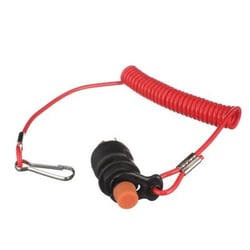

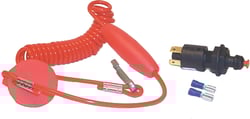
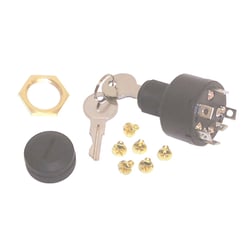
Sierra MP39730 Magneto Ignition Starter Switch 4 Position 7 Screw Terminal 12V 15 Amp
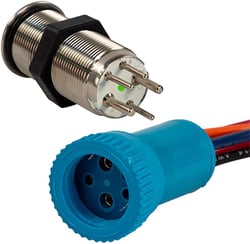

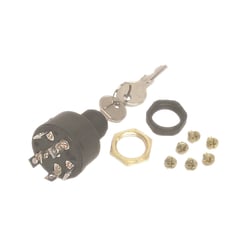
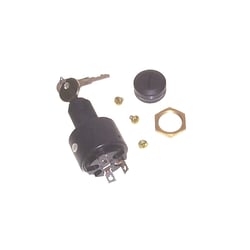
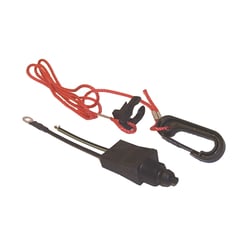
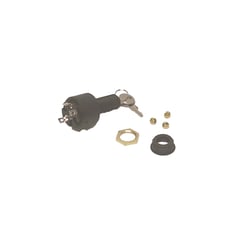
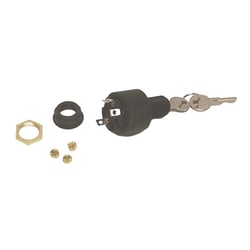
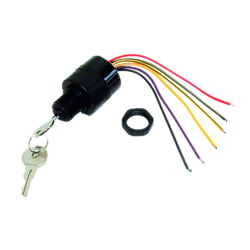
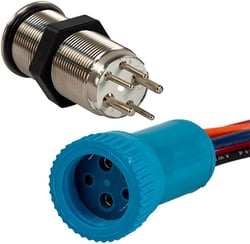
Bluewater Inrush Push Button Switch Nav/Anchor Off/On/On Blue/Green/Red LED Ignition Switches
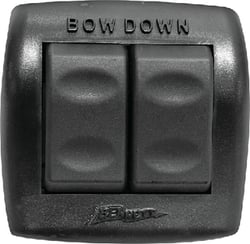

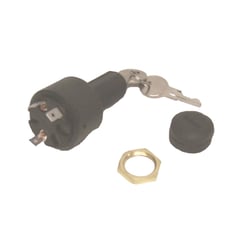
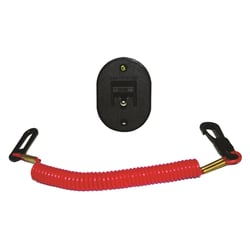



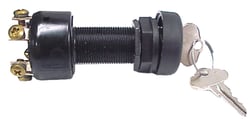

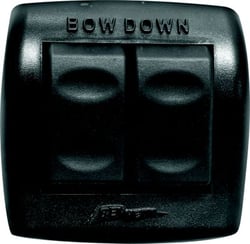
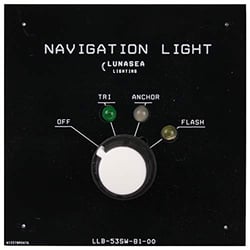
Lunasea Lighting LLB-53SW-81-00 Tri-Color Navigation Light Fixture Switch with LED Indicators

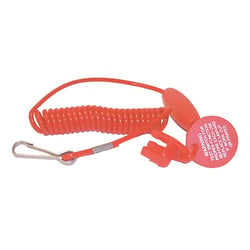
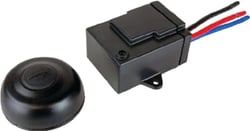

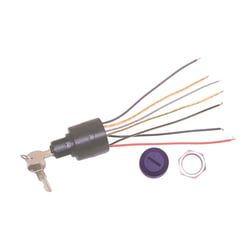
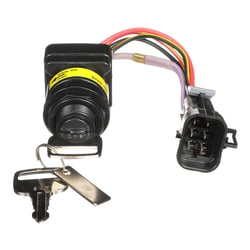

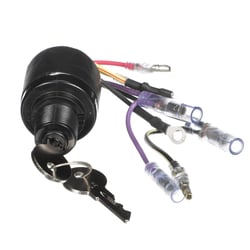
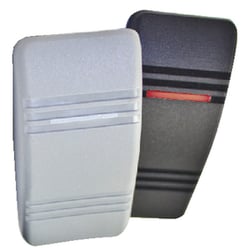
Sierra RK19890TP Contura III Illuminated Rocker Switch On/Off Weather Resistant Ignition Switches
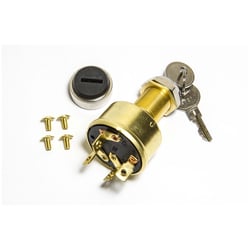
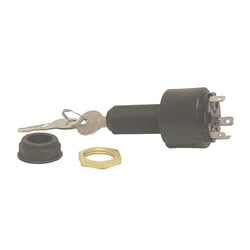
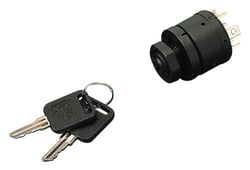
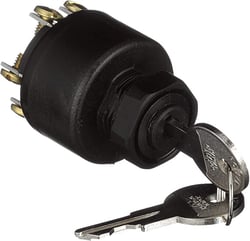
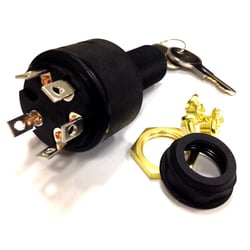
Seachoice 11651 Johnson/Evinrude 3-Position Ignition Starter Switch with Push to Choke
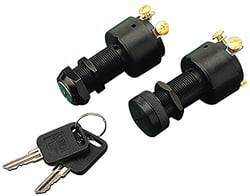
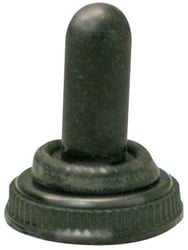
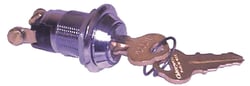
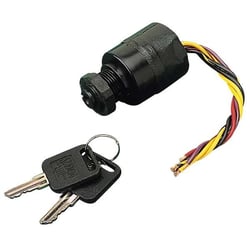
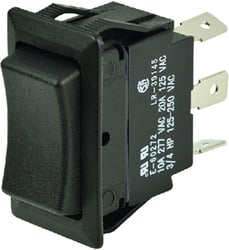

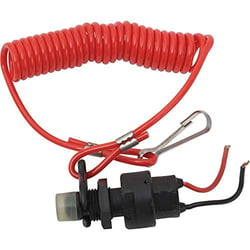
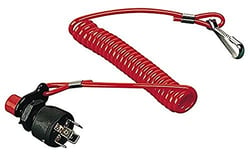
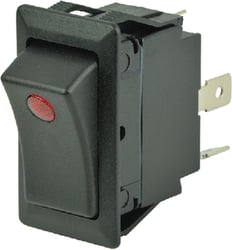


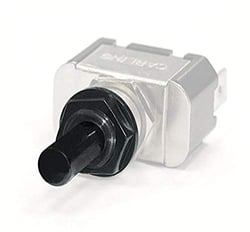
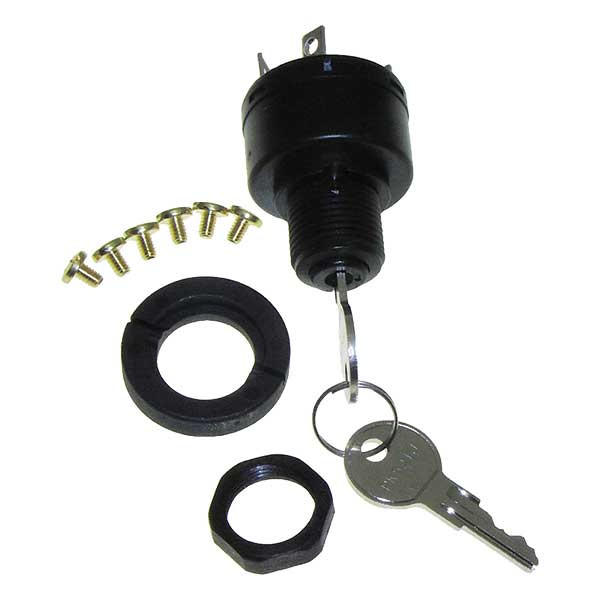 Representative Photo, actual item may vary
 Representative Photo, actual item may vary
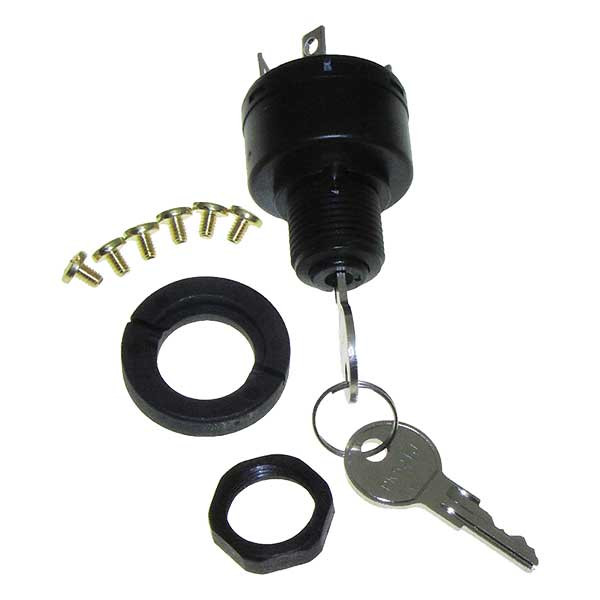 Representative Photo, actual item may vary
Engineered Marine Products 87-09057 Power Trim Rocker Switch for Outboard Engines
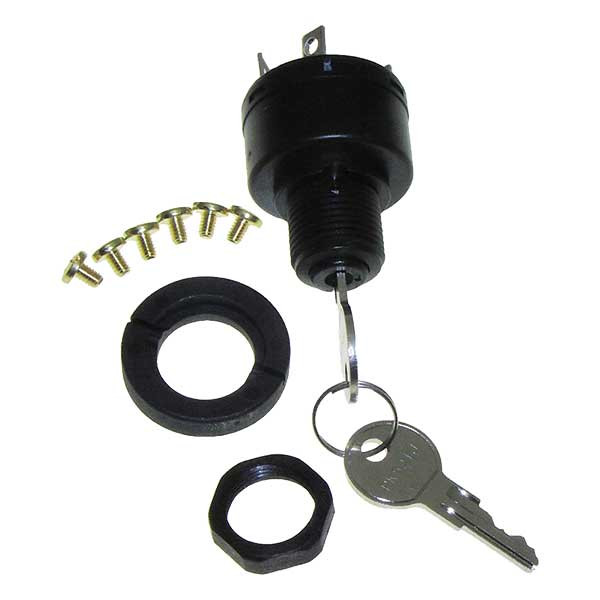 Representative Photo, actual item may vary
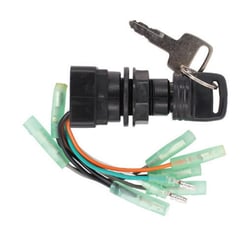
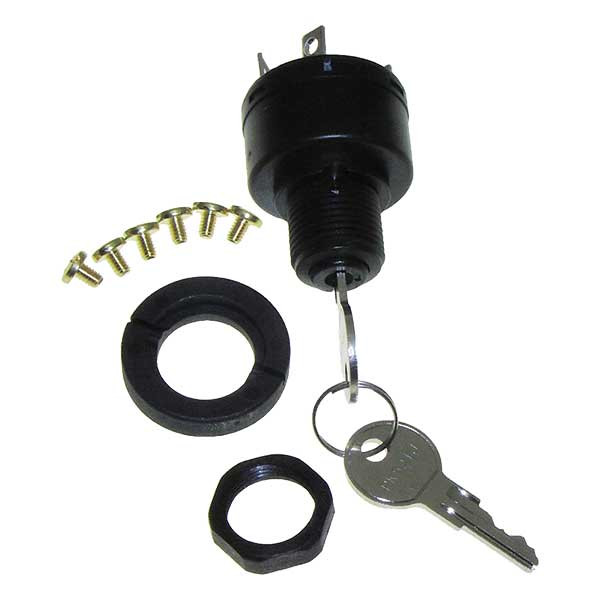 Representative Photo, actual item may vary
Engineered Marine Products 87-01946 Ignition Switch for BRP Johnson Evinrude Outboards
Marine & RV Ignition Switches: What They Do and Why They Matter
The ignition switch is one of the most fundamental electrical components on any boat or RV. Every time you turn the key to fire up your engine, it's the ignition switch that completes the circuit, sending power from the battery to the starter, engine management system, and accessories. A worn, corroded, or failed ignition switch doesn't just mean an inconvenient no-start — on the water, it can be a genuine safety issue. Choosing a properly rated, marine-grade ignition switch is essential for reliable, worry-free operation.
What to Look for in a Marine or RV Ignition Switch
Not all ignition switches are created equal. Automotive or lawn-equipment switches may look similar, but marine-grade switches are specifically engineered to resist the corrosive effects of salt air, humidity, and spray that would destroy a standard switch within a season. When shopping, there are several key factors to keep in mind:
- Switch Positions: Most marine ignition switches feature three positions — Off, Ignition, and Start — while some four-position switches add an Accessory or Magneto position for more complex electrical setups.
- Amp Rating: Match the switch's amperage rating to your engine's requirements. Common ratings are 15A and 20A at 12V DC for ignition circuits, with higher ratings for starter solenoid circuits.
- Terminal Count: More terminals allow you to control additional circuits such as choke, accessories, or tachometer feeds from a single switch.
- Construction Materials: Look for chrome-plated brass hardware, stainless steel springs, and sealed or waterproof housings — these details separate a long-lasting switch from one that corrodes and fails prematurely.
- OEM Compatibility: Many switches are direct replacements for specific engine brands like Johnson, Evinrude, Mercury, or Yamaha, simplifying installation and ensuring proper wiring.
Top Brands in Marine & RV Ignition Switches
Seachoice is one of the most recognized names in marine accessories, offering a wide range of ignition switches designed for dependable performance on the water. Seachoice is committed to delivering quality marine accessories and OEM replacement parts to satisfy boating enthusiasts worldwide, running for and by boaters while remaining affordable. Their switches include models specifically engineered for popular outboard brands, featuring chrome-plated brass face nuts, stainless steel springs, and two included keys for added security.
Biker's Choice brings its reputation for rugged, reliable electrical components to the ignition switch category, making them a trusted option for powersport and specialty applications where durability under demanding conditions is non-negotiable.
Cole Hersee is a long-established name in heavy-duty electrical components, widely respected across marine and commercial vehicle industries. Their ignition switches are built to exacting standards and are a go-to choice for boaters and technicians who prioritize industrial-grade reliability.
Sea-Dog Line offers a broad lineup of marine ignition switches covering both inboard and outboard applications. Their ignition switch range includes 3-position and 4-position options, with inboard, outboard, magneto style, and push-to-choke variants , making it easy to find the exact switch for your setup. Their three-position switches cover off, ignition, and start functions, with shaft length options to accommodate varying panel thicknesses.
Replacing Your Marine Ignition Switch
Ignition switch replacement is a manageable DIY project for most boaters. The key is identifying your engine brand, the number of terminals on your existing switch, and your panel thickness before ordering a replacement. Many switches are direct drop-in replacements for OEM parts, featuring the factory-replacement form factor that drops into the existing dash hole , making for a straightforward installation. Always disconnect the battery before working on any ignition circuit, label your wires before removing the old switch, and verify the amperage rating before completing the installation.