



Oil Additives

Understanding Oil Additives and Engine Treatment Products
Oil additives are chemical compounds that improve the lubricant performance of base oil, designed to enhance your engine's protection beyond what standard motor oil provides. These aftermarket treatments address specific engine needs, from reducing friction and wear to cleaning internal components and extending service intervals. While nearly all commercial motor oils contain additives, whether the oils are synthetic or petroleum based, supplemental products offer targeted solutions for particular driving conditions and engine types.
Understanding the different types of oil additives helps you make informed decisions about engine care. Anti-wear additives reduce friction and protect against wear and tear in your engine, typically containing zinc, phosphorus, or molybdenum, which help to create a protective barrier between metal parts. Detergent additives work differently, focusing on cleanliness by removing deposits and sludge that accumulate over time. Friction modifiers, viscosity improvers, and seal conditioners each serve distinct purposes in maintaining engine health.
When Oil Additives Make Sense
Oil additives prove particularly valuable in specific situations. High-mileage engines often benefit from treatments that restore compression, reduce oil consumption, and rejuvenate aging seals. ZDDP is a popular anti-wear additive widely used in motor oil for high-performance engines, and benefits older engines, which are more prone to wear and tear due to their age and design. Performance engines operating under extreme conditions may require additional friction reduction beyond standard oil formulations.
Cold-start protection represents another key application, as engines experience significant wear during startup before oil pressure fully builds. Modern additives can provide a protective film that remains on metal surfaces even when the engine is off. Similarly, engines subjected to severe service—frequent short trips, towing, or extreme temperatures—may benefit from enhanced protection that extends oil life and reduces thermal breakdown.
Key Considerations When Shopping
Selecting the right oil additive requires careful consideration of your engine's specific needs and current condition. Always verify compatibility with your engine type and oil formulation, as some additives work only with conventional oils while others suit synthetic blends. Consider your vehicle's age and mileage, as high-mileage formulations differ significantly from treatments designed for newer engines.
Pay attention to the additive's primary function—whether it's designed to stop leaks, reduce smoking, clean deposits, or provide anti-wear protection. Understanding concentration ratios matters too, as some products are highly concentrated while others are ready-to-use. Reading product specifications and following manufacturer recommendations ensures you're adding value rather than creating imbalances in your oil's carefully engineered formulation.
Trusted Brands in Oil Additives
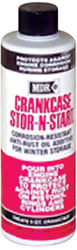
The oil additive market features numerous established brands, each with distinct product focuses. Mdr offers specialized treatment solutions for engine maintenance and protection. Quality oil additives from reputable manufacturers undergo rigorous testing to ensure they deliver measurable benefits without compromising your engine's existing lubrication system.
When evaluating any oil additive, look for products backed by independent testing and clear performance claims. The most effective treatments address specific, documented issues rather than promising universal improvements. Whether you're maintaining a high-mileage daily driver or protecting a performance engine, choosing the right additive based on your actual needs—rather than marketing claims—ensures optimal results and engine longevity.