



Quicksilver Manifolds/Risers/Elbows
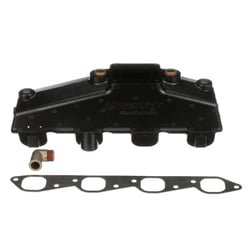
Quicksilver 807078T08 Exhaust Manifold for MerCruiser V8 454/502 CID Engines

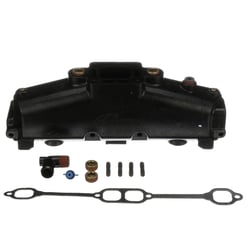
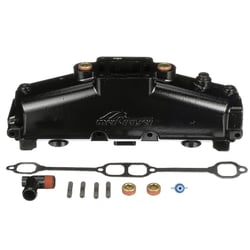
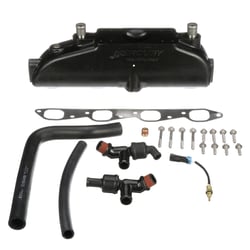
Quicksilver 866178A02 Exhaust Manifold Conversion Kit 496 Magnum 8.1S MerCruiser
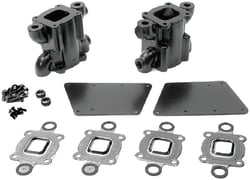
Quicksilver 864908A1 6-Inch Dry Joint Riser Kit Standard Raw Water Cooling MerCruiser
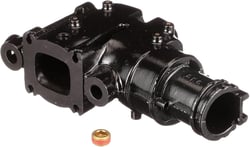
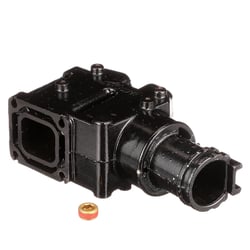
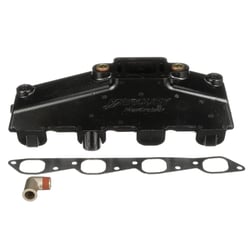
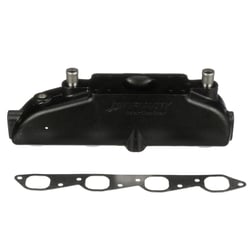
Quicksilver 866178T01 Exhaust Manifold for MerCruiser 8.1L 8.2L Non-EC Engines
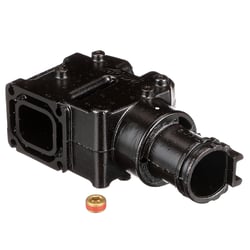
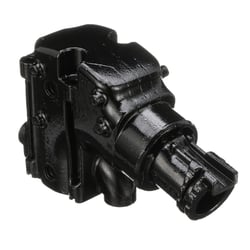
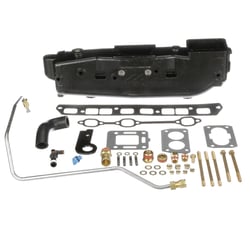
Quicksilver 860235A03 Exhaust Manifold Kit for MerCruiser 3.0L L and LX Sterndrives
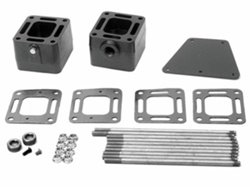
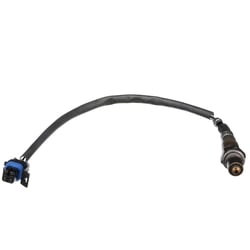
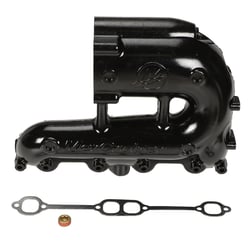
Quicksilver 8M0103773 Starboard Exhaust Manifold Single Catalyst V8 MerCruiser EC
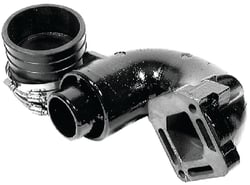
Quicksilver 12076A2 MerCruiser Exhaust Elbow for MCM 3.0L / 3.0LX Engines 1995+
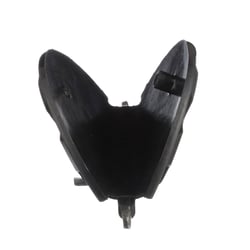
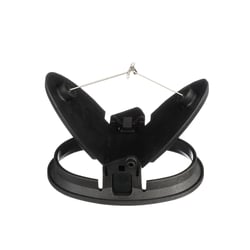
Quicksilver 60930 Water Shutter Flapper for MerCruiser Sterndrive Exhaust Systems
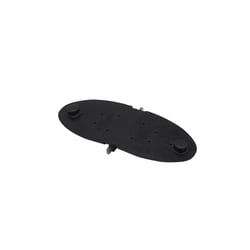
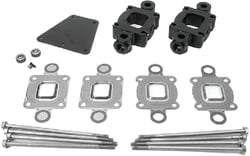
Quicksilver 865996A01 1.7-Inch Dry Joint Exhaust Riser Kit for MerCruiser FWC Engines
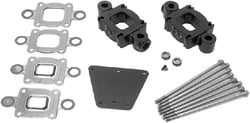
Quicksilver 865995A01 1.7in Dry Joint Exhaust Riser Extension Spacer Kit MerCruiser V6 V8
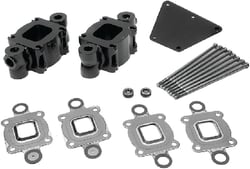
Quicksilver 864929A3 3-Inch Dry Joint Exhaust Riser Extension Kit for MerCruiser V6/V8
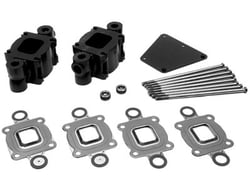
Quicksilver 864929A1 3-Inch Dry Joint Exhaust Riser Extension Kit for MerCruiser V6 V8 Raw Water Cooling
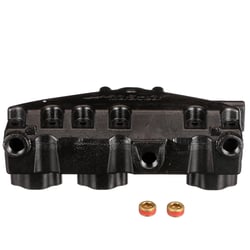
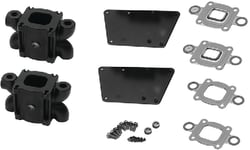
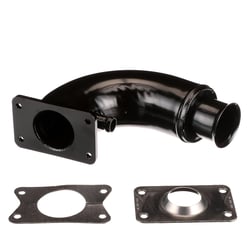
Quicksilver 865331A02 Exhaust Elbow Standard Rise for MerCruiser 496 Magnum & 8.2L Magnum
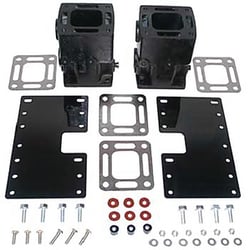
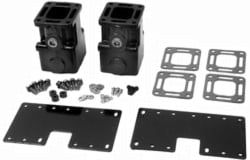
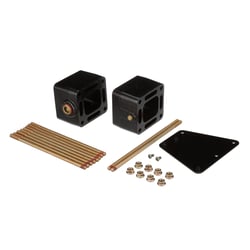
Quicksilver 93320A14 3-Inch Exhaust Riser Spacer Kit for MerCruiser Stainless Steel Elbows
- 1
- 2
Understanding Marine Exhaust Manifolds, Risers, and Elbows
Marine exhaust manifolds, risers, and elbows form the critical first stage of your engine's exhaust system, working together to safely channel hot combustion gases away from the engine while preventing water intrusion that could cause catastrophic damage. The exhaust manifold collects exhaust gases from the engine's cylinders, while a riser connects the manifold to the exhaust hose, cooling the gases with water and directing them out of the boat. Unlike automotive applications, marine engines require these specialized water-cooled components to manage the unique challenges of the marine environment.
These cast iron parts are unique in that they feature a double-walled pipe within another pipe, allowing hot exhaust gases in the internal pipe to be surrounded by an external water-filled pipe, called a water-jacket, which remains cool enough to touch. This ingenious design serves dual purposes: cooling exhaust temperatures to safe levels before they reach rubber hoses, and creating the elevation needed to prevent water from flowing backward into the engine cylinders—a condition that can lead to hydro-lock and complete engine failure.
Why These Components Demand Regular Attention
Risers are the Achilles' heel of any wet exhaust system, with hot exhaust gas combining with saltwater to promote not only corrosion, but also scale accumulation inside the riser. The terminology can vary—risers are sometimes called elbows due to their horseshoe shape, while true elbows typically slope downward when engines sit higher above the waterline. Regardless of configuration, these components operate in an extremely harsh environment where they must endure corrosive exhaust acids, saltwater exposure, extreme temperature fluctuations, and constant vibration.
In saltwater environments, cast iron risers typically last 4-5 years with proper maintenance, while stainless steel or fiberglass risers may last longer but should be inspected every 2 or 3 years. Warning signs of failure include difficulty starting the engine, white smoke from the exhaust, visible corrosion, or leaks at connection points. When the water jacket corrodes through, cooling water can seep into the exhaust stream and eventually migrate back into engine cylinders during periods of rest, creating the hydro-lock condition that can bend connecting rods and destroy pistons.
Quicksilver Quality for MerCruiser Applications
When it's time to replace these critical exhaust components, choosing genuine OEM parts ensures proper fit and long-term reliability. Quicksilver manifolds, risers, and elbows are engineered specifically for MerCruiser sterndrive and inboard applications, manufactured to the exacting standards that have made Quicksilver the trusted name in marine parts since 1950. These components are designed to handle the specific thermal loads, water flow characteristics, and mounting configurations of MerCruiser engines across multiple displacement ranges and model years.
Whether you're maintaining a 4.3L V6 with center riser exhaust or servicing a big block 454 or 502, selecting the correct manifold and riser combination for your specific engine serial number and cooling system configuration is essential. Dry joint exhaust systems, introduced by MerCruiser in the 2000s, offer improved separation of water and exhaust passages compared to earlier wet joint designs, providing better protection against water migration. Understanding your engine's exhaust architecture—including whether you need spacer blocks or riser extensions to maintain proper height above the waterline—helps ensure you order the right components the first time.