



Rub Rails & Inserts
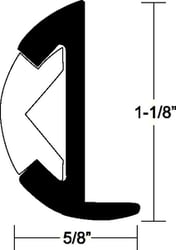
Taco Metals A11-0347BLY12D Aluminum Rub Rail 1-1/8" x 12' Black Anodized

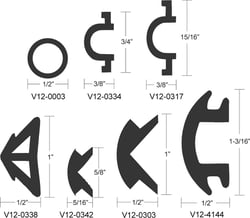
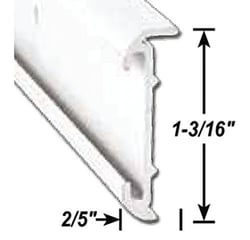
Taco Metals V12-4144BKA50-1 Flexible Vinyl Rub Rail Insert 1-3/16" x 1/2" x 50' Black
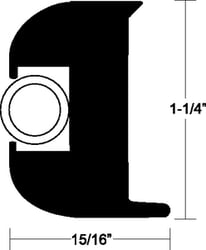
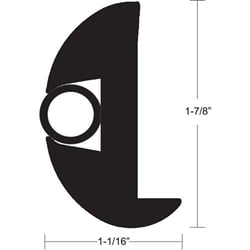
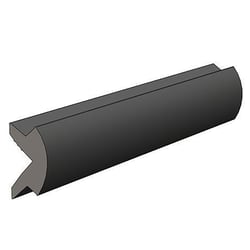
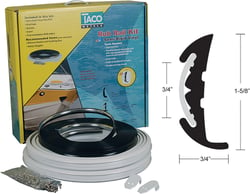
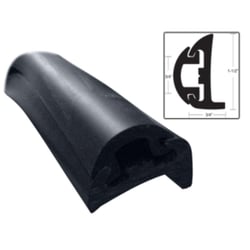
Taco Metals V11-9795BBK50D-2 Black Semi-Rigid Rubrail with Insert - 50 Feet
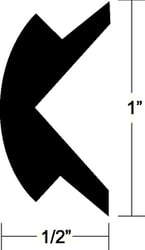
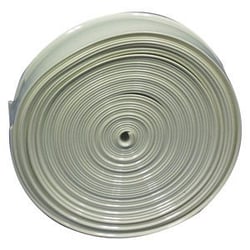
Taco Metals V12-0303BKA50-1 Flexible Vinyl Insert Rub Rails & Inserts - 50' Black
 Representative Photo, actual item may vary
Taco Metals V12-0342BKA50-1 Flexible Vinyl Insert Rub Rails & Inserts - 50' Black
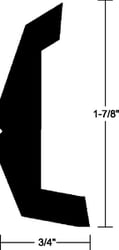
Taco Metals V21-3670BKA20D-1 Rigid Vinyl Rub Rail Kit Black 1-7/8" x 3/4" x 20'
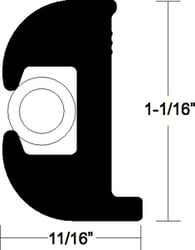
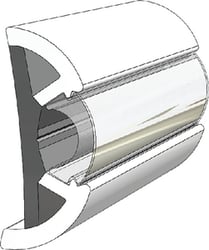
 Representative Photo, actual item may vary
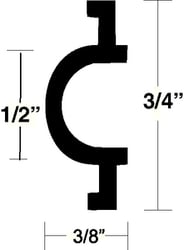
Taco Metals V12-0334BKA50-1 Flexible Vinyl Insert Rub Rails & Inserts - 50' Black
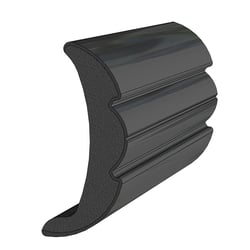
Taco Metals V12-0317BKA50-1 Flexible Vinyl Insert Rub Rails & Inserts - 50' Black
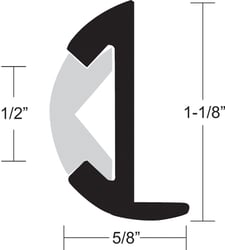
Taco Metals V124155BKA501 Flexible Vinyl Insert Rub Rails & Inserts - 50' Black
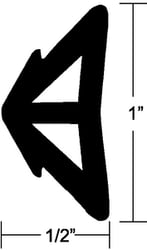
Taco Metals V12-0338BKA50-1 Flexible Vinyl Insert Rub Rails & Inserts - 50' Black
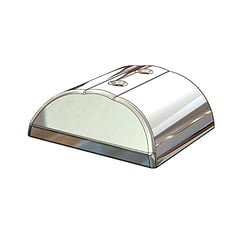
Taco Metals V12-0303BKA70-1 Flexible Vinyl Insert Rub Rails & Inserts - 70' Black
 Representative Photo, actual item may vary
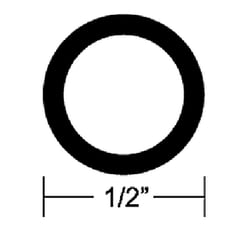
Taco Metals V12-0003BKA50-1 Flexible Vinyl Insert Rub Rails & Inserts - 50' Black
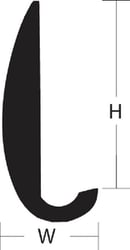
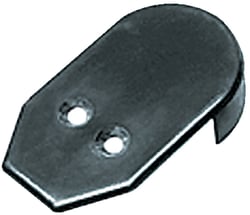
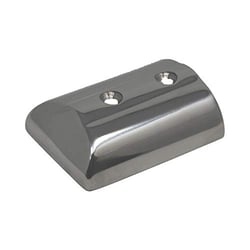
 Representative Photo, actual item may vary
 Representative Photo, actual item may vary
Taco Metals V21-9906BKA60D-1 Rigid Vinyl Flex-Core Rub Rail 2" x 7/8" Black 60 Foot
 Representative Photo, actual item may vary
 Representative Photo, actual item may vary
 Representative Photo, actual item may vary
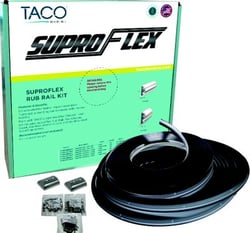
Taco Metals V11-9990GRD80-2 SuproFlex Rub Rail Kit 80' Gray with Flex Chrome Insert
 Representative Photo, actual item may vary

 Representative Photo, actual item may vary
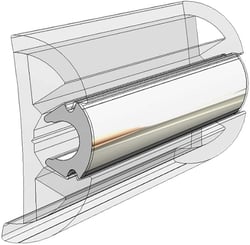
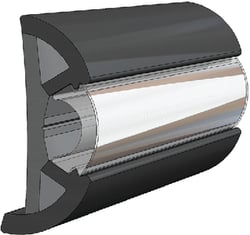
Taco Metals V119990BBK602 SuproFlex Rub Rail Kit Medium 60' Black with Chrome Insert
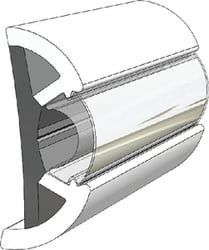
Taco Metals V119990WCM602 SuproFlex Rub Rail Kit Medium 60' White/Chrome
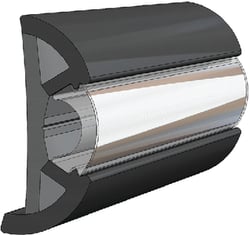
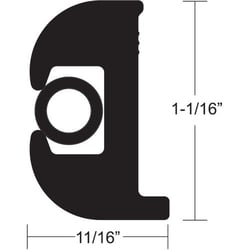
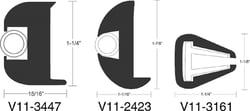
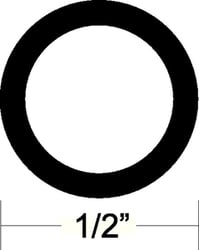
Taco Metals V12-0003WHA50-1 Flexible Vinyl Insert Rub Rails & Inserts - 50' White
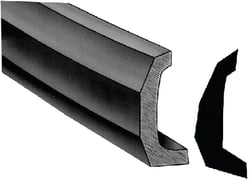
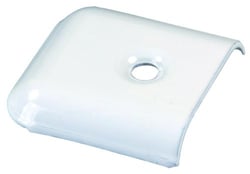

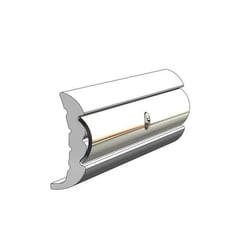
Taco Metals V21-9659WHC20D Rigid Vinyl Rub Rail Kit with Insert - 5/8" x 1-5/8" x 20', Frosty White
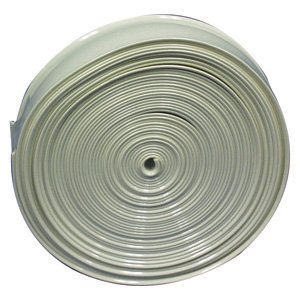 Representative Photo, actual item may vary

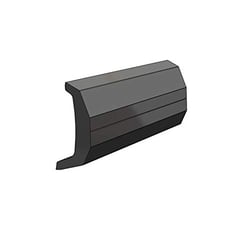
 Representative Photo, actual item may vary
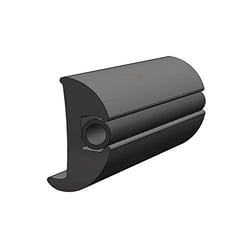
Taco Metals V11-2423BKA70-1 Flexible Vinyl Rub Rail Kit Black 1-1/16" x 1-7/8" x 70'
 Representative Photo, actual item may vary
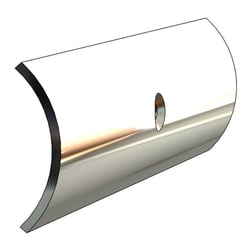
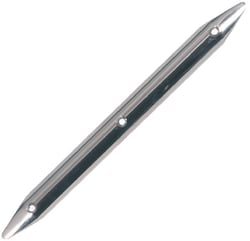
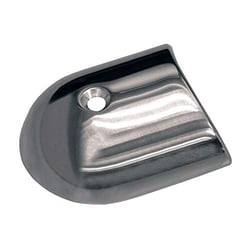
Taco Metals S11-4690P12 1-1/2" Hollow Back Half Oval 304 Stainless Steel Rub Rail 12 ft.
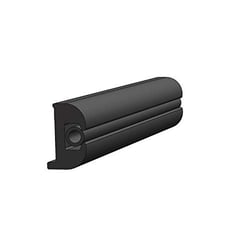
Taco Metals V11-0809BKA50-1 Flexible Rub Rail 1-1/8" x 3/4" Black 50 Feet
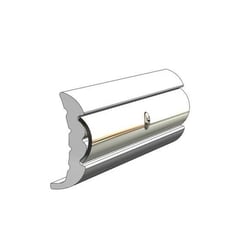
- 1
- 2
What Are Rub Rails & Inserts?
Rub rails are one of the most hardworking — and often overlooked — components on any boat. Rub rails and inserts are protective moldings installed along the sheerline of a vessel, which is the joint where the hull meets the deck. Acting as a sacrificial barrier, a rub rail absorbs the everyday punishment of docking, rafting up, and brushing against pilings, seawalls, and other boats — so your gelcoat and fiberglass don't have to. Beyond pure protection, a well-maintained rub rail also gives any boat a cleaner, more finished appearance by neatly concealing the hull-deck seam and the fastener heads beneath it.
How the System Works
Most rub rail systems are built from two primary components: the outer track, which mounts directly to the hull, and the insert, which snaps or slides into the track's channel. The insert sits at the outermost point of the rail and therefore takes the brunt of contact with docks and other surfaces. Because of this, inserts tend to show wear — scrapes, cuts, and discoloration — well before the underlying track does. In many cases, swapping out just the insert is a cost-effective way to restore both protection and appearance without a full rail replacement.
Material Options: Choosing the Right Fit
Rub rails and inserts are available in several materials, each offering a different balance of flexibility, durability, and aesthetics:
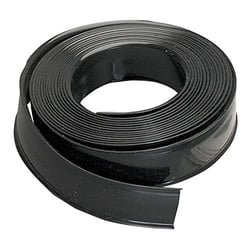
- Flexible Vinyl (PVC): The most common choice for recreational boats. Vinyl is impact-absorbing, easy to install, and available in a wide range of colors and profiles. Its flexibility makes it ideal for boats with pronounced hull curves.
- Semi-Rigid & Rigid Vinyl: Offers more structural stiffness than flexible vinyl while still conforming reasonably well to hull contours. These options generally provide greater long-term durability.
- Aluminum: Lightweight, rigid, and visually striking. Aluminum rails are typically installed in pre-cut lengths and paired with a vinyl insert for a softer contact surface that also hides fasteners.
- Stainless Steel: The premium choice for offshore and high-end builds. Stainless offers excellent corrosion resistance and an upscale, polished appearance, though it requires more effort to form around hull curves.
- EPDM Rubber: A durable, weather- and UV-resistant alternative to vinyl, with the added advantage that small sections can often be repaired without replacing the entire insert.
Complete Kits vs. Individual Components
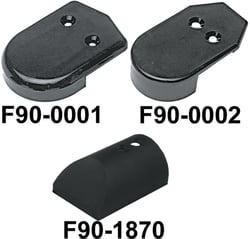
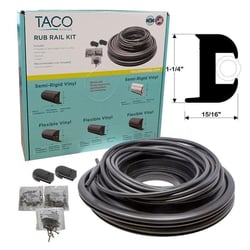
Shoppers have two main paths when refreshing a rub rail system. Complete kits include the outer track, insert, fasteners, end caps, and splice caps — everything needed for a full installation from bow to stern. These kits are especially convenient when the existing track is damaged, corroded, or simply outdated. Insert-only replacements, on the other hand, are the smart choice when the track is still structurally sound; replacing just the insert is faster, less expensive, and can dramatically refresh the look of a boat. Many flexible vinyl inserts are available in contrasting colors — switching from white to black (or vice versa) can give a vessel a striking new profile.
Key Considerations When Shopping
Getting the right fit is critical for a clean, gap-free installation. When replacing a rub rail or insert, the most reliable approach is to match the profile, height, and depth of the existing rail. Measuring the cross-section of your current rail — or removing an end cap to photograph the profile — takes the guesswork out of finding a compatible replacement. Also consider your boating environment: high-traffic docking situations favor more flexible materials that can absorb repeated impact, while controlled marina settings may allow for the cleaner look of a rigid aluminum or stainless system. For a full installation, always use marine-grade stainless fasteners and a compatible sealant to protect the hull-deck joint from water intrusion for years to come.