



Vented Loops
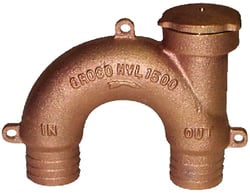

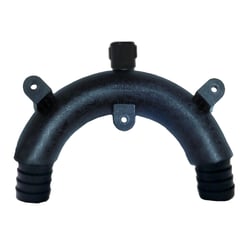

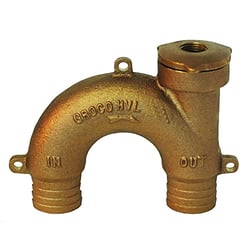
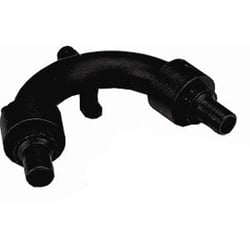
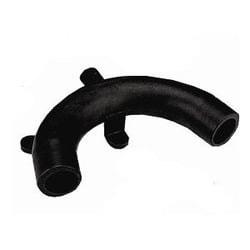

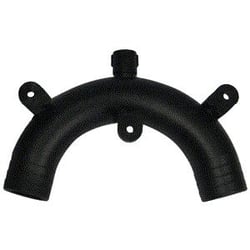


What Are Marine Vented Loops?
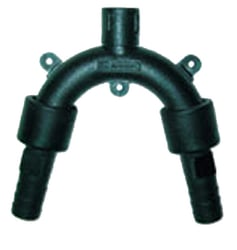
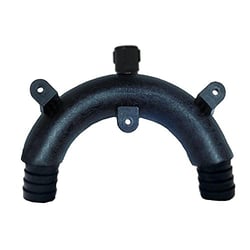
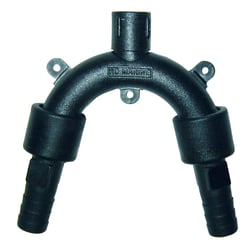
Vented loops are one of the most critical — and often overlooked — safety components in any boat's plumbing system. Vented loops are anti-siphon devices that protect your vessel from an invisible but potentially catastrophic threat: back-siphoning. When a through-hull fitting sits below the waterline, there is always a risk that seawater can siphon back into the boat through connected systems if pressure conditions change. A vented loop eliminates that risk by breaking the siphon before it can form.
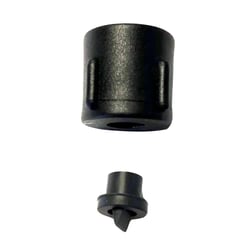
The mechanics are elegantly simple. A vented loop is a loop in a plumbing line fitted with a small one-way check valve at its peak. This anti-siphon valve opens to admit air into the line when negative pressure develops, instantly breaking any incipient siphon while sealing shut when fluid is actively flowing through the system. As long as the loop is installed above the static and heeled waterline, it reliably prevents seawater from traveling backward through the plumbing.
Why Vented Loops Matter
Without a properly functioning vented loop, the risk of flooding or sinking is greatly increased because water can be back-siphoned into your boat from the outside. Back-siphoning can occur through any onboard system that uses a through-hull intake, including marine toilets (heads), engine raw-water cooling circuits, generator cooling systems, air conditioners, bilge pump discharge lines, and holding tank plumbing.
Consider the engine cooling system: a vented loop between the outlet of the engine's raw-water system and the exhaust injection elbow prevents siphoning of water into the exhaust manifold, which could fill cylinders with seawater — potentially causing catastrophic engine damage. Similarly, a marine toilet installed below the waterline relies on a vented loop in its discharge line to prevent seawater from silently siphoning back aboard while the boat sits at the dock.
These components are simple in design but demand regular maintenance. Over time, the small rubber duckbill check valves inside vented loops can become fouled with calcium deposits, debris, or general wear. A blocked or failed valve defeats the entire purpose of the device. Inspecting and servicing vented loops at least once per season — cleaning any buildup and replacing worn check valves — is considered essential boat maintenance.
What to Consider When Shopping for Vented Loops
- Hose diameter: Match the vented loop's barb size to your existing hose inner diameter for a secure, leak-free connection.
- Installation height: The top of the loop must be positioned well above the heeled waterline to function correctly.
- Material: Marine-grade corrosion-resistant materials are essential, since metal loops can corrode and fail over time in the harsh marine environment.
- Pump placement: Fluids must be pushed through the loop, not pulled — always confirm the pump is on the correct side of the vented loop.
- Remote venting: Some installations route the vent to the outside of the hull; if so, use kink-proof hose routed well above bilge water to ensure the vent can always admit air freely.
Top Brands in Marine Vented Loops
Forespar is the go-to name for marine vented loops among serious boaters. Forespar's vented loops are molded from Marelon®, a proprietary glass-filled marine-grade plastic that is highly resistant to corrosion, UV degradation, and abrasion — meaning neither the vent body nor the loop housing will corrode in the way that older metal units do. Their duckbill one-way valve is engineered to seal reliably even when particulate matter is present in the fluid stream, making them well-suited for real-world marine environments.
Jabsco, a trusted name in marine pumps and sanitation systems, also produces a respected line of vented loops. Jabsco vented loops are designed as anti-siphon safety devices for use with both manual and electric marine toilets installed below the waterline, whether static or heeled, and integrate naturally with Jabsco's wide ecosystem of marine toilet and pump products.