



Voltage Regulators
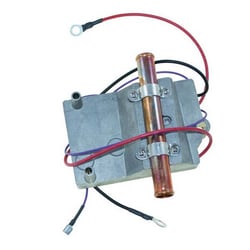

 Representative Photo, actual item may vary
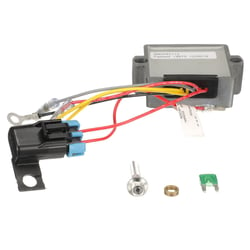

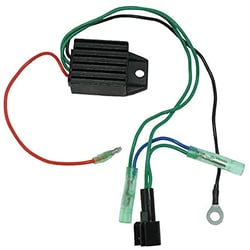
CDI Electronics 197-0004 Voltage Regulator for Yamaha 3-Cylinder 40-70 HP Outboards

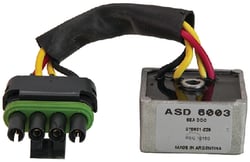
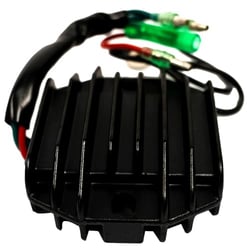

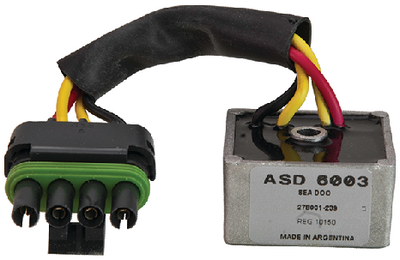 Representative Photo, actual item may vary
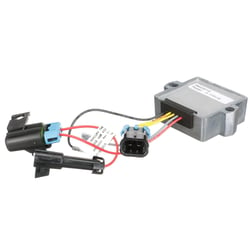
Quicksilver 893640T01 Voltage Regulator Rectifier Mercury 4-Stroke 30-60HP Outboard
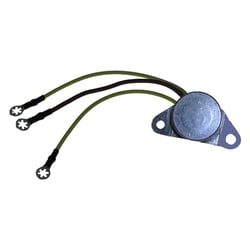

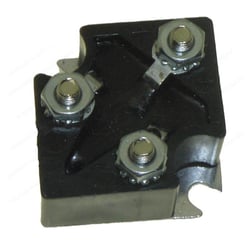
Engineered Marine Products 300-01404 Marine Voltage Rectifier for Mercury Outboard Engines


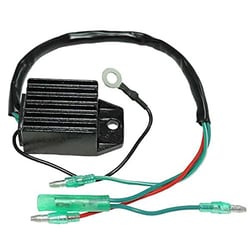
CDI Electronics 197-0003 Voltage Regulator for Yamaha 3-Cylinder 40-70HP Outboards
 Representative Photo, actual item may vary
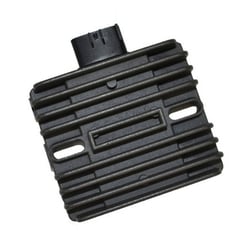
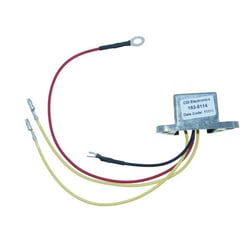
 Representative Photo, actual item may vary
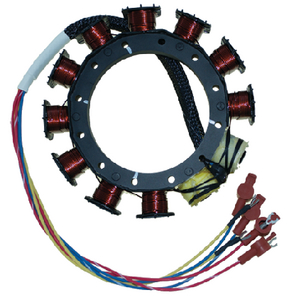 Representative Photo, actual item may vary
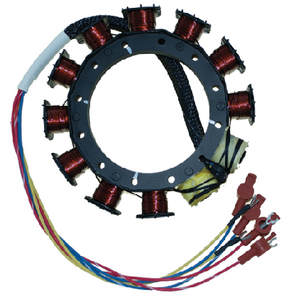 Representative Photo, actual item may vary
 Representative Photo, actual item may vary
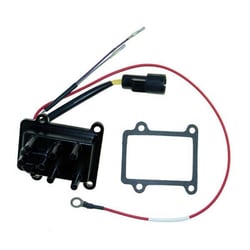
CDI Electronics 18-99405 Voltage Regulator/Rectifier 35 Amp 6 Cylinder Johnson Evinrude
 Representative Photo, actual item may vary
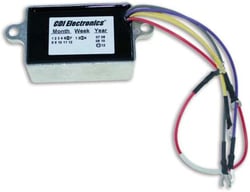
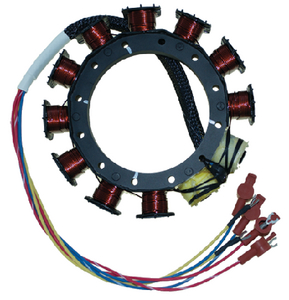 Representative Photo, actual item may vary
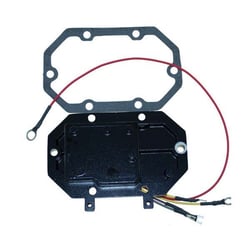
CDI Electronics 18-99407 Voltage Regulator 10 Amp Johnson Evinrude 4 Cylinder
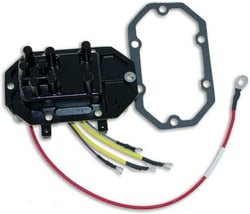
CDI Electronics 18-99424 Voltage Regulator for Johnson Evinrude Outboards 35 Amp 6/8 Cylinder
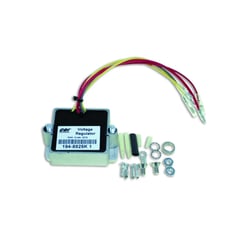
 Representative Photo, actual item may vary
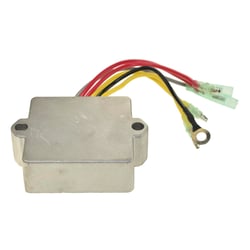

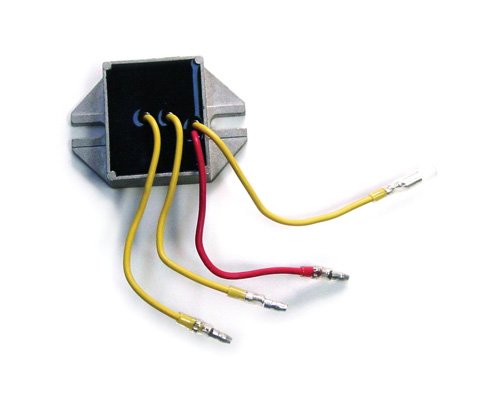 Representative Photo, actual item may vary

 Representative Photo, actual item may vary
Engineered Marine Products 300-26072 Voltage Regulator for Mercury Outboard Engines
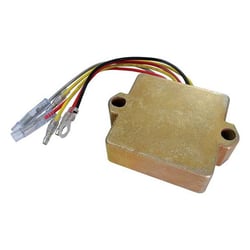
Engineered Marine Products 300-76382 Rectifier/Regulator for Mercury Mariner Outboards
 Representative Photo, actual item may vary
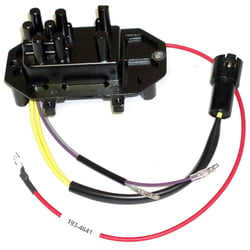
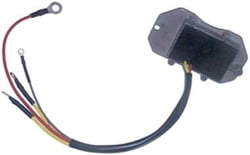
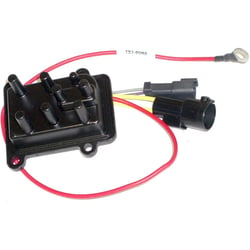
 Representative Photo, actual item may vary
 Representative Photo, actual item may vary
Regitar USA RMV005 Voltage Regulator for Mercury Marine Outboard 4-Stroke Engines
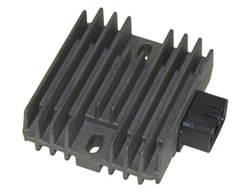
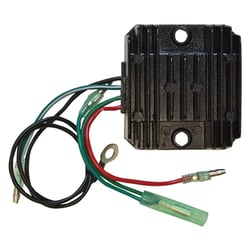
CDI Electronics 18-99487 197-0002 Voltage Regulator for Yamaha 3/4 Cylinder Outboards
 Representative Photo, actual item may vary
CDI Electronics 18-99481 194-8736K1 Dual Voltage Regulator Rectifier Adapter Kit Mercury 6 Cyl 40 Amp
What Is a Marine Voltage Regulator and Why Does It Matter?
A voltage regulator is one of the most critical — and most overlooked — components in an outboard or RV engine's charging system. Its job is straightforward but vital: it monitors the output of the alternator or stator and holds it within a safe range, typically around 13.5 to 14.5 volts, regardless of engine RPM. Without a properly functioning regulator, your battery could be chronically undercharged at low RPMs, or dangerously overcharged at wide-open throttle. Either condition shortens battery life, damages sensitive electronics, and can leave you stranded on the water.
Marine and RV applications present unique electrical challenges compared to automotive use. Constant exposure to moisture, salt air, vibration, and temperature swings accelerates wear on electrical components. Marine-grade voltage regulators are specifically engineered to handle these conditions, with corrosion-resistant housings, sealed connectors, and robust solid-state circuitry designed for the long haul.
Regulator vs. Regulator/Rectifier: Know the Difference
On many modern outboards — especially four-stroke engines — the stator produces alternating current (AC) that must first be converted to direct current (DC) before it can charge a 12-volt battery. A regulator/rectifier combines both functions in one unit: it rectifies the AC output and then regulates the resulting DC voltage. Older two-stroke outboards often used a separate rectifier and a standalone voltage regulator. When shopping, always confirm which type your engine requires by checking your OEM part number or service manual.
Key Considerations When Shopping for a Voltage Regulator
- OEM Cross-Reference: Match the part to your engine's original part number for guaranteed compatibility.
- Amperage Rating: Ensure the regulator can handle your charging system's output — common marine ratings range from 16 to 40 amps.
- Wire Configuration: Marine regulators come in 4-wire, 5-wire, and 6-wire variants; the wiring harness must match your engine's connector.
- Mount Style: Transom-mount and bracket-mount designs are common — choose the style that fits your installation.
- Environment: Look for sealed, marine-grade construction if your engine regularly sees saltwater or heavy spray.
Top Brands in Marine Voltage Regulators
CDI Electronics is the dominant name in marine ignition and charging components. Founded in 1982 as Rapair Incorporated, the brand built its reputation through hands-on outboard ignition repair before transitioning into manufacturing its own replacement parts in 1995. Their voltage regulators are designed to maintain stable electrical output across varying RPM ranges, protecting both ignition systems and batteries in demanding marine environments — and are manufactured in Huntsville, Alabama.
Sierra is a trusted name among marine mechanics and boaters alike, offering a comprehensive lineup of aftermarket regulators covering Mercury/Mariner, Johnson/Evinrude, Chrysler Force, OMC, and MerCruiser applications. Sierra products are engineered to meet or exceed OEM specifications and are backed by a limited lifetime warranty, making them a reliable choice for both DIY repairs and professional service shops.
SPI rounds out the selection with a broad catalog of marine voltage regulators designed to provide affordable, dependable replacements across a wide range of outboard engine applications.
Arco Starting & Charging has long been a respected specialist in marine electrical components, and their voltage regulators are a natural extension of their expertise in starting and charging systems for both inboard and outboard engines.
Engineered Marine Products (EMP) offers a focused selection of voltage regulators built for reliability in the field, providing boat owners and technicians with dependable OEM-equivalent options for common marine engine platforms.