



Air and Gas Leak Detector

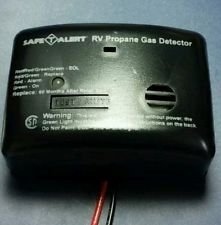
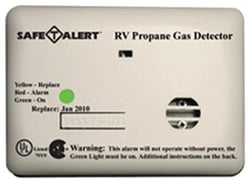
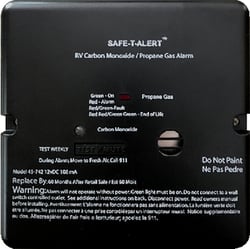
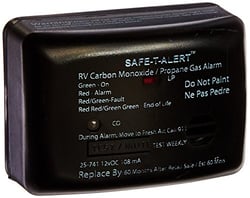
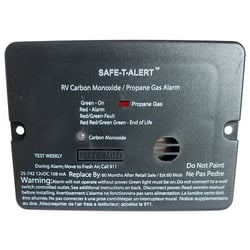
Safe-T-Alert 25-742-BL Dual Carbon Monoxide Propane Gas Alarm RV Surface Mount Black

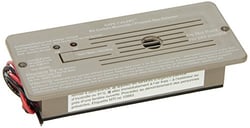
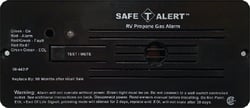

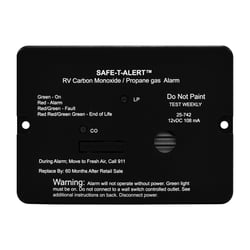
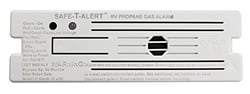
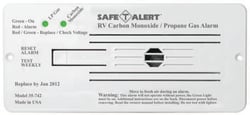
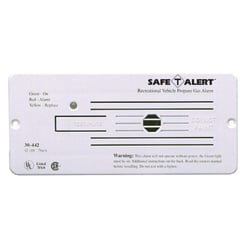
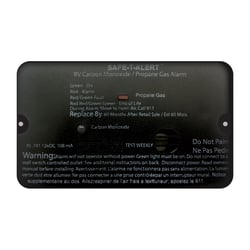
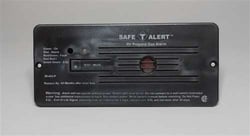
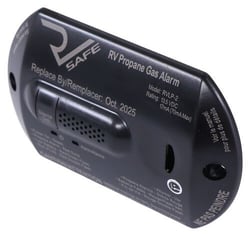
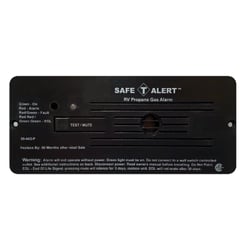
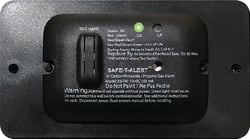
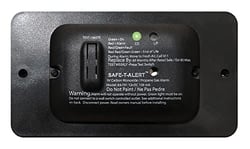
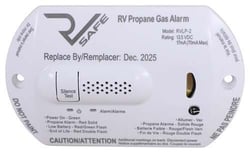
 Representative Photo, actual item may vary
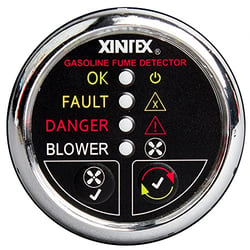
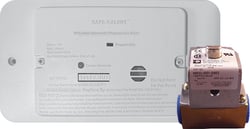
Fireboy G-1CB-R Gasoline Fume Detector 1-Channel with Blower Control 12V Chrome

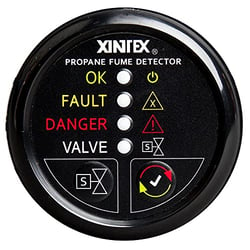
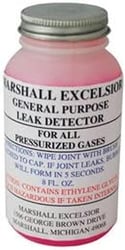

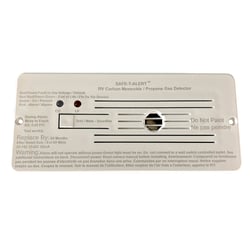
Safe-T-Alert 35-742-WHT Dual Carbon Monoxide Propane Gas Alarm White Flush Mount
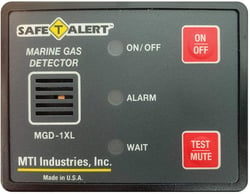
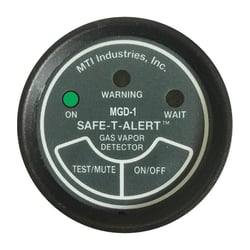
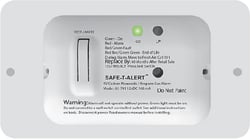
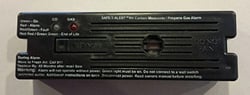
MTI Industries 35741BL Dual LP Gas and Carbon Monoxide Alarm Surface Mount Black
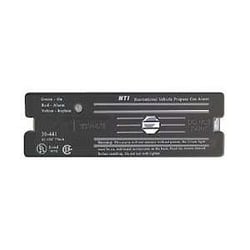
- 1
- 2
Professional Air and Gas Leak Detection for Automotive Systems
Air and gas leak detectors are essential diagnostic tools that help automotive technicians and DIY mechanics identify leaks in vehicle systems before they escalate into costly repairs or safety hazards. These devices are crucial in identifying leaks early, whether you're troubleshooting an air conditioning system losing refrigerant, diagnosing vacuum leaks affecting engine performance, or detecting compressed air escaping from pneumatic systems.
How Air and Gas Leak Detectors Work
There are several types of gas leak detectors available, including electronic, ultrasonic, and infrared detectors, each with its unique method of identifying leaks. Electronic "sniffer" detectors use sensitive sensors to detect specific gases like refrigerants or hydrogen, triggering visual or audible alarms when they sense gas molecules. Ultrasonic leak detectors detect the ultrasonic noise generated by a leak and translate it into a sound the technician can hear, which is very different than the common "sniffer" type detector. This ultrasonic technology works with any compressed gas—refrigerant, nitrogen, or compressed air—making it incredibly versatile for automotive diagnostics.
Critical Applications in Vehicle Maintenance
Car AC systems develop leaks over time, causing discomfort and safety risks. Beyond climate control issues, leak detection is vital for diagnosing EVAP system faults that trigger check engine lights, identifying vacuum leaks that cause rough idle or poor fuel economy, and locating exhaust system breaches. Professional-grade leak detectors can pinpoint issues that would otherwise require hours of guesswork, significantly reducing diagnostic time and preventing the waste of expensive refrigerants or tracer gases.
Modern automotive leak detectors offer adjustable sensitivity levels, allowing technicians to detect even minor leaks that might not yet cause noticeable symptoms. They locate leaks faster and minimize the risk of overlooking small leaks that could escalate into more significant problems. Whether you're working in a professional shop or maintaining your own vehicles, having a reliable leak detector in your toolkit can save both time and money while ensuring vehicle systems operate at peak efficiency.
Top Brands in Air and Gas Leak Detection
When selecting a leak detection tool, brand reputation matters. RV Safe specializes in gas detection systems designed for reliability in demanding environments, offering durable solutions for propane and gas leak detection across automotive and recreational vehicle applications. Their products are engineered to deliver accurate readings and instant alerts when potentially hazardous gas leaks are detected.
Choosing the Right Leak Detector
Consider what types of leaks you'll be diagnosing most frequently. Refrigerant-specific detectors excel at AC work but won't help with vacuum leaks, while ultrasonic detectors offer broader versatility across multiple gas types. Professional technicians often keep multiple detector types on hand, matching the tool to the specific diagnostic challenge. Features like probe length, battery life, calibration requirements, and alarm types all factor into selecting the detector that best fits your workflow and the vehicle systems you service most often.