



Anodes/Zincs
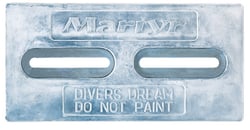

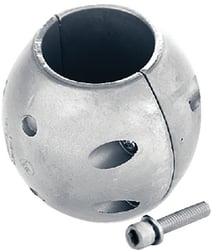
Martyr Anodes CMX15 Streamlined Shaft Anode with Stainless Steel Allen Head - Zinc
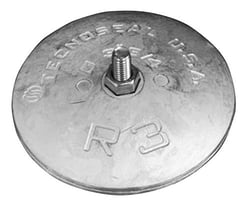

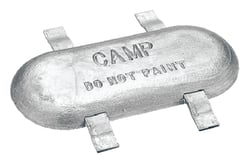
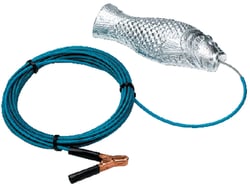
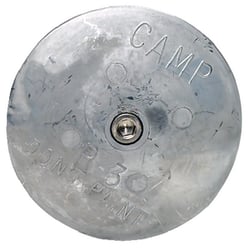
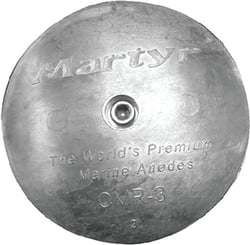
Martyr Anodes CMR03S Streamlined Rudder Zinc Anode with Slotted Stainless Steel Hardware
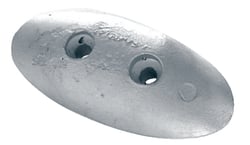
Martyr Anodes CMR05 Rudder & Trim Tab Anode with Stainless Steel Allen Head Screw
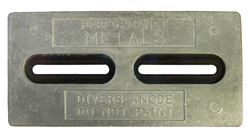

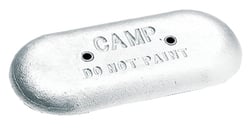
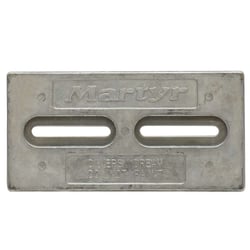
Martyr Anodes CMDIVERMINIM Diver's Dream Hull Anode 6" x 4" x 1/2" Magnesium
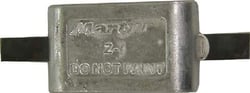
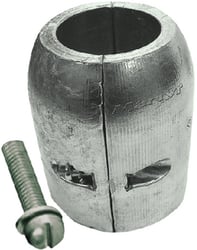
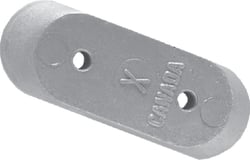
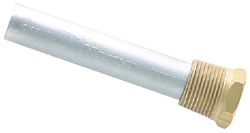
Martyr Anodes CMR04M Magnesium Rudder/Trim Tab Anode with Stainless Steel Allen Head Screw
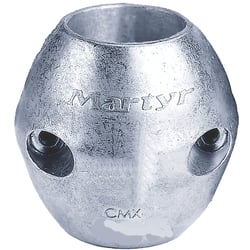
Martyr Anodes CMX07 Streamlined Shaft Anode with Stainless Steel Allen Head Screw, Zinc
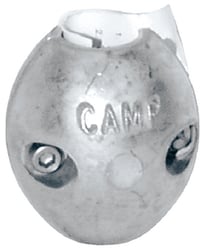
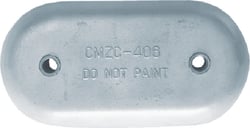
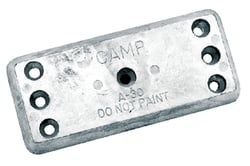
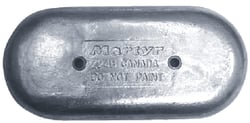
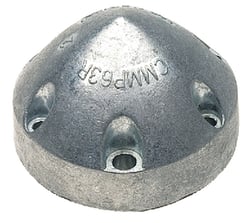
What Are Marine Anodes and Zincs?
Sacrificial anodes — colloquially called "zincs" by generations of boaters — are one of the most important and often overlooked maintenance items on any vessel. Anodes and zincs work by exploiting a simple electrochemical principle: when two dissimilar metals are submerged in water and electrically connected, one will corrode faster than the other. By attaching a highly reactive metal to your boat's underwater hardware, you give galvanic corrosion a willing target — the anode itself — while your propellers, shafts, rudders, trim tabs, and outdrives remain protected.
How Galvanic Corrosion Works
Galvanic corrosion occurs when two different metals, submerged in an electrolyte like saltwater, create an electric current that accelerates metal degradation. This reaction happens because different metals have varying electrochemical properties, leading to a transfer of electrons that weakens the less noble metal. Without protective anodes, critical components can suffer rapid deterioration, threatening both the functionality and safety of the vessel. A sacrificial anode intercepts this process — it corrodes first, absorbing the electrochemical damage that would otherwise affect propellers, shafts, drives, and other vital underwater structures. This process is known as cathodic protection.
Choosing the Right Anode Material
Not all anodes are created equal, and choosing the wrong material for your water type can actually make corrosion worse. There are three primary anode metals, each suited to specific conditions:
- Zinc – The traditional choice and the reason all sacrificial anodes are still commonly called "zincs." Zinc anodes are particularly effective in saltwater environments, corroding gradually and continuously exposing fresh metal to maintain protection. However, zinc is not recommended for freshwater use, as it can quickly develop an oxide coating that prevents proper electrical contact.
- Aluminum – A versatile option that works well in both saltwater and brackish water. Aluminum anodes have a longer lifespan than zinc and are increasingly preferred for environmental reasons, as they do not contain cadmium.
- Magnesium – The best choice for freshwater boating. Magnesium's higher electrochemical activity is needed to offset the lower conductivity of fresh water, where zinc and aluminum can become ineffective from oxide films.
Where Are Anodes Installed?
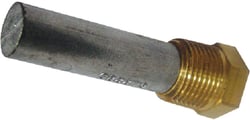
Anodes come in many shapes and sizes because the places on a boat that need protection are highly varied. Common anode locations include propeller shafts, trim tabs, rudders, outdrive housings, transom plates, hull plates, and heat exchangers (where small "pencil" anodes are used). Sterndrive systems like MerCruiser Alpha and Bravo series often use multiple anodes and are conveniently available as complete kits with all mounting hardware included.
Anode Maintenance Tips
Regular inspection and timely replacement of anodes are essential to maintaining their effectiveness. Industry best practice calls for replacing anodes when they are approximately 50% eroded. Waiting too long leaves critical hardware exposed to corrosion and costly repairs. Always ensure the anode has direct, bare-metal contact with the component it is protecting — never paint over an anode, as this will render it useless.
Top Brands for Marine Anodes & Zincs
For boaters looking for broad, reliable coverage across a wide range of vessel types and hardware, Seachoice is a trusted marine industry name with a product catalog spanning thousands of marine parts and accessories, including zinc anodes designed to meet the needs of recreational boaters. Mercury Marine's Quicksilver brand offers OEM-quality anodes engineered specifically for Mercury, Mariner, and MerCruiser outboard and sterndrive applications, delivering precise fit and performance for some of the most popular engines on the water.