



Blocks
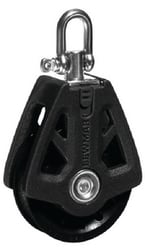

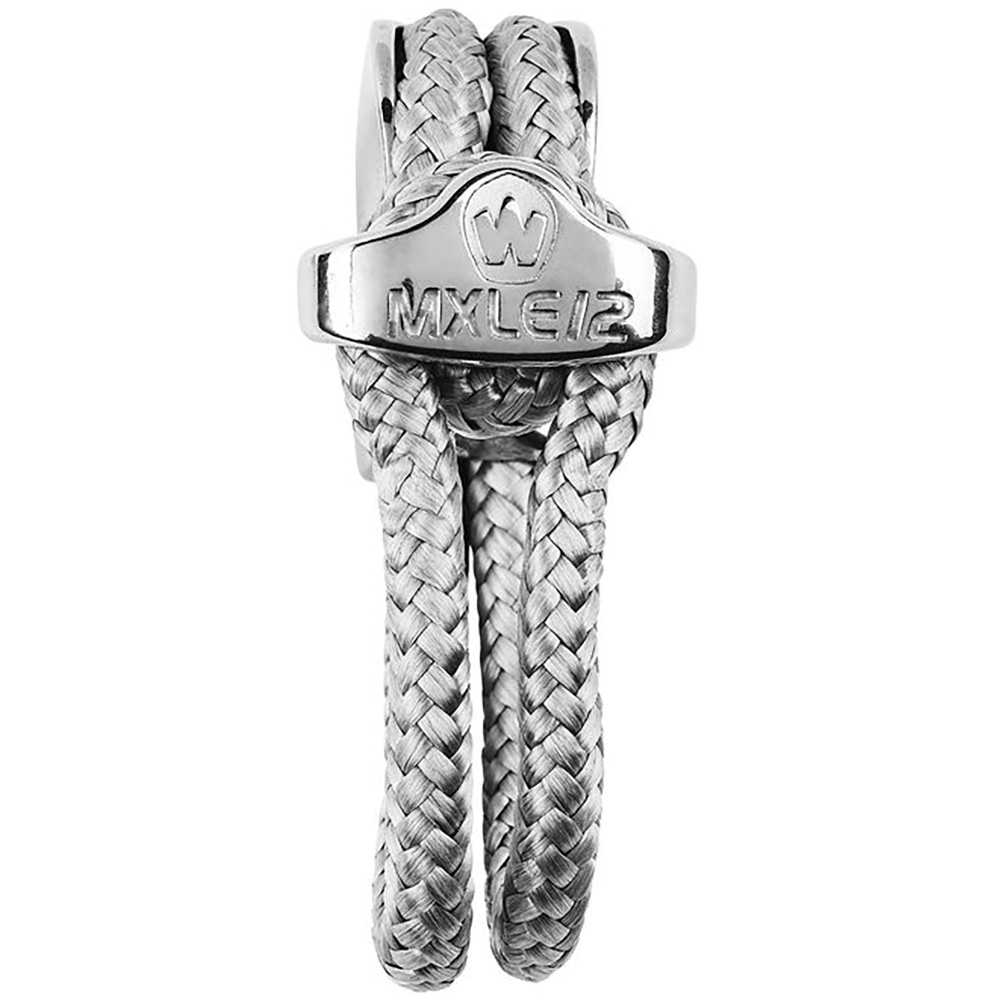 Representative Photo, actual item may vary

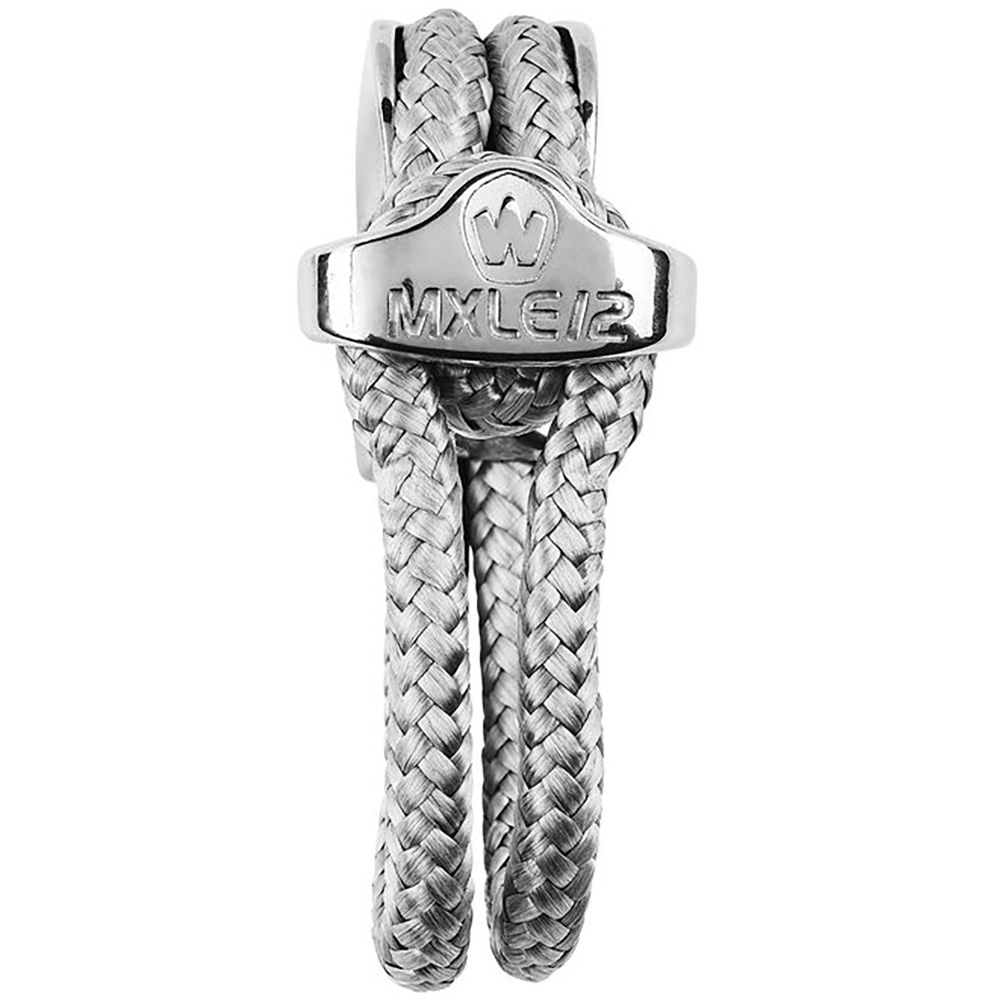 Representative Photo, actual item may vary
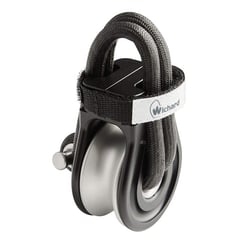
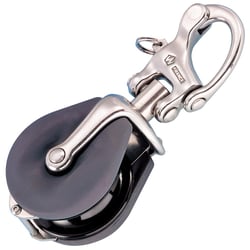
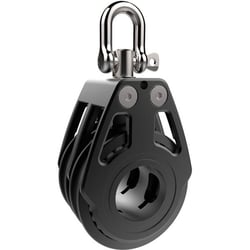
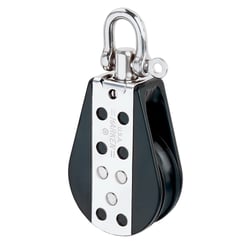
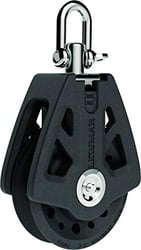
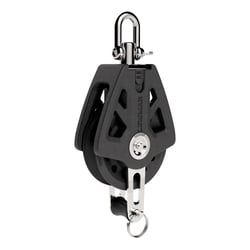
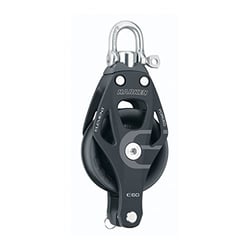

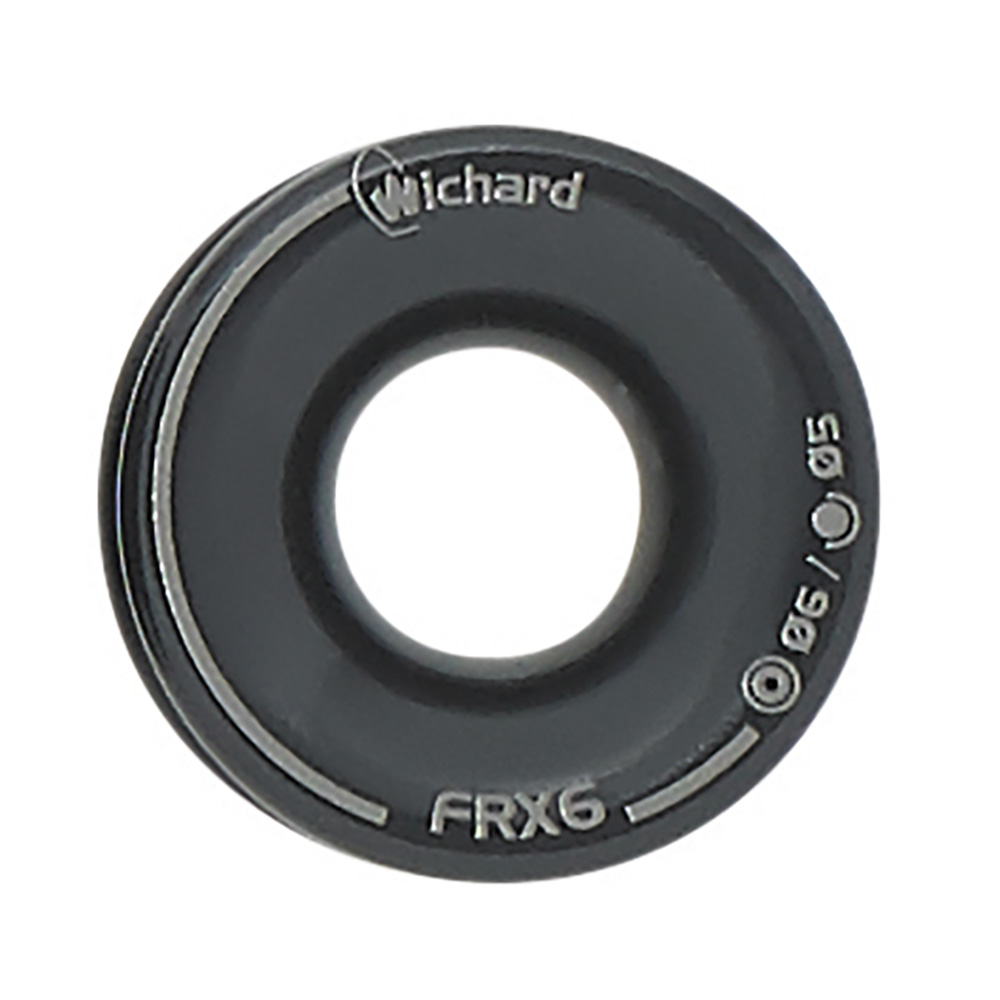 Representative Photo, actual item may vary
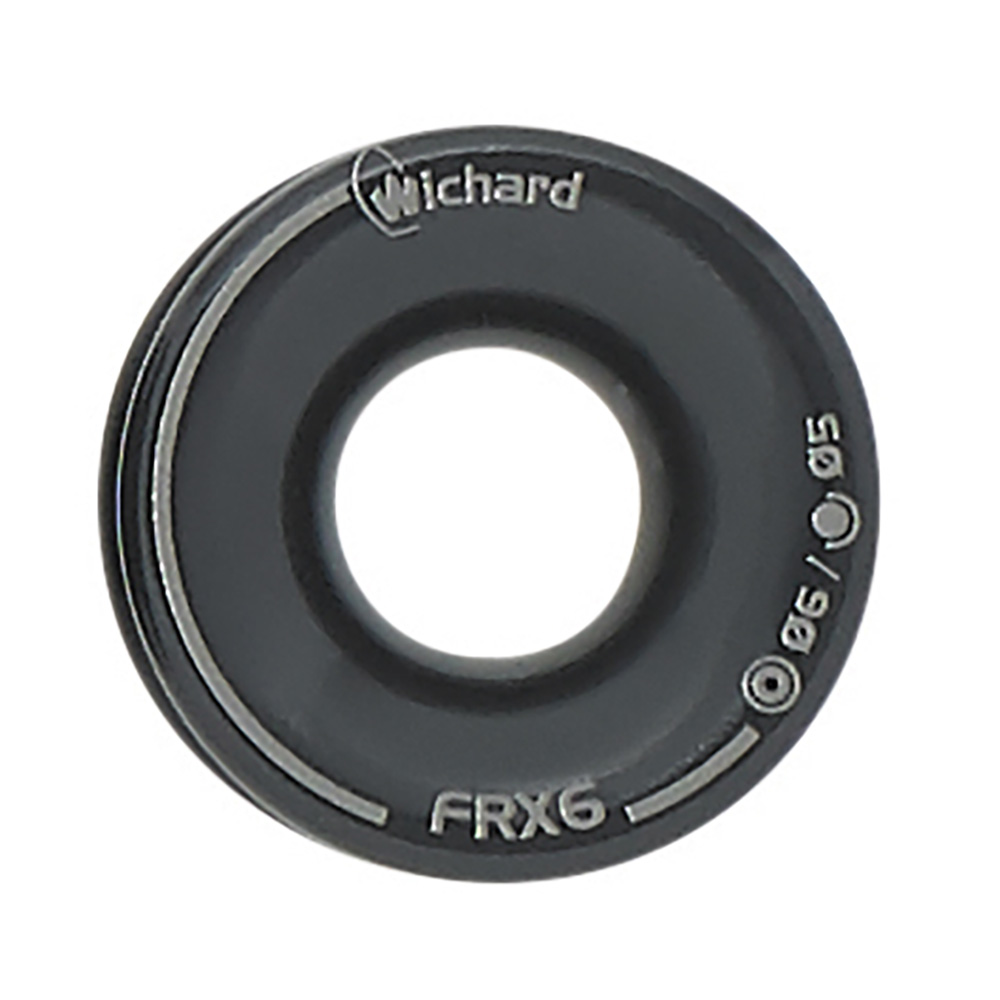 Representative Photo, actual item may vary
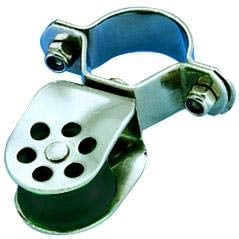
Wichard 30125W Stainless Steel Single Block 25mm Sheave Pivoting Stanchion Mount
What Are Sailing Blocks?
Sailing blocks are among the most fundamental pieces of hardware on any sailboat. Blocks are essentially pulleys engineered for the demanding marine environment — and their role on a boat goes far beyond simple redirection of a rope. Sailing blocks are used to redirect the path of a line and provide a mechanical advantage, meaning sailors can manage heavy loads with significantly less physical effort. Whether hoisting a mainsail, trimming a jib, or fine-tuning a boom vang, blocks are working constantly behind the scenes.
How Sailing Blocks Work
At their core, blocks consist of a grooved wheel — called a sheave — enclosed within a frame. A line runs through the sheave's groove, and as force is applied, the wheel turns to guide the line smoothly in a new direction with minimal friction. When multiple blocks are combined into a tackle system, each added sheave multiplies the mechanical advantage: each additional block in a pulley system reduces the speed by half while doubling the applied force, making otherwise unmanageable loads entirely controllable by one person.
You'll find blocks positioned throughout a typical sailboat. Mast blocks manage halyards for hoisting and lowering sails. Mainsheet blocks ease sail trimming in strong winds. Vang blocks control boom tension. Snatch blocks offer a quick-attach solution for temporary line rerouting. Fiddle blocks, ratchet blocks, and high-load foot blocks each serve specific roles depending on the rigging setup and sailing conditions.
Choosing the Right Block
Selecting the right block means matching it to both the load and the application. Plain bearing blocks are well-suited to high-load, less-frequently adjusted applications — such as halyard leads — where rugged durability matters most. Ball bearing blocks shine on frequently adjusted lines like mainsheets and control lines, where their low-friction rotation makes a noticeable difference in handling ease. Beyond bearing type, sailors should consider the block's safe working load rating, the line diameter it's designed to accept, and whether a fixed, swivel, or snatch-style attachment fits the intended use.
Proper maintenance is also key: rinsing blocks with fresh water after saltwater sailing, inspecting sheaves and bearings for wear, and periodically lubricating moving parts all keep blocks performing reliably across many seasons.
Top Brands in Sailing Blocks
When it comes to trusted names in sailing rigging hardware, Lewmar stands at the top of the list. From their plain bearing Synchro range to high-load Racing blocks machined from a single piece of aluminum, every Lewmar block draws on decades of experience at the highest levels of racing and superyacht development. Their lineup spans single, double, triple, fiddle, snatch, ratchet, and high-load configurations — making them a go-to choice for sailors ranging from weekend cruisers to offshore competitors.