



Buffers & Polishers
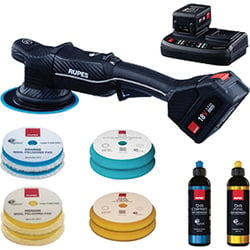
Rupes USA HLR21/CB2/BAS LHR21 iBrid Bigfoot Random Orbital Polisher Basic Kit

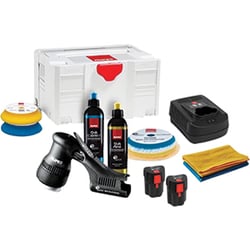
Rupes USA HLR75/BETA iBrid Mini Cordless Polisher Kit with Charger and 2 Batteries
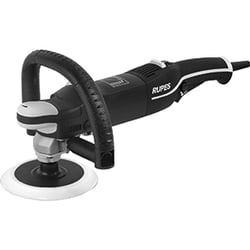
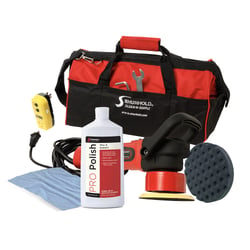

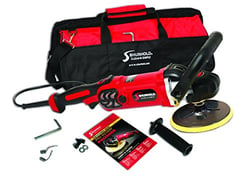
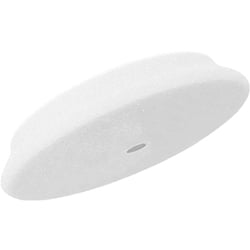
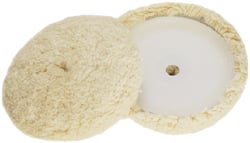


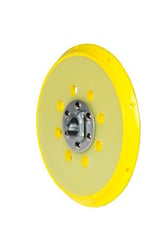
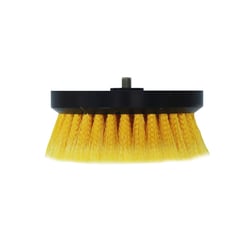
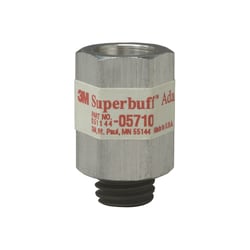
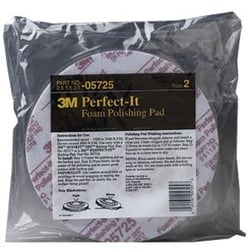
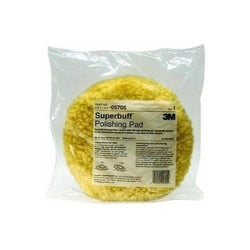
 Representative Photo, actual item may vary

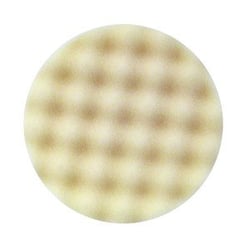
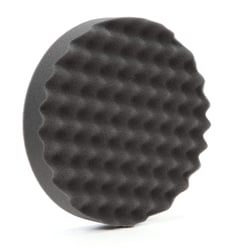
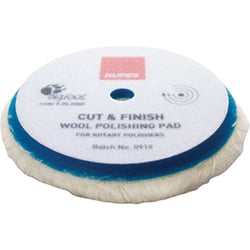
 Representative Photo, actual item may vary
Rupes USA 9.HLR21 BigFoot HLR21 iBrid Cordless Random Orbital Polisher Tool Only
 Representative Photo, actual item may vary
Rupes Usa HLR21/CB2/STD BigFoot HLR21 Ibrid Cordless Random Orbital Polisher Kit
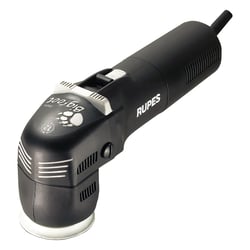
 Representative Photo, actual item may vary
Rupes USA LHR21ES/US/STD BigFoot Random Orbital Polisher 21mm Orbit Tool Only
 Representative Photo, actual item may vary
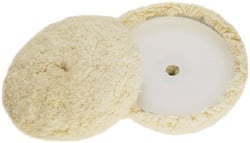
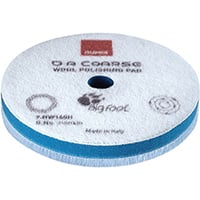
 Representative Photo, actual item may vary

Why Buffers & Polishers Are Essential for Boats and RVs
Sun, saltwater, UV rays, and the open road are relentless. Over time, they break down the protective surface of your boat's gelcoat or your RV's fiberglass, leaving behind the chalky, dull haze known as oxidation. A quality buffer or polisher is the single most effective tool for reversing that damage — restoring deep gloss, removing surface scratches and swirl marks, and preparing the finish for a fresh coat of protective wax or sealant.
Unlike hand polishing, which is time-consuming and rarely thorough enough for heavily oxidized surfaces, a powered buffer delivers the consistent friction and heat needed to break down oxidation and level the surface. Gelcoat, the protective resin layer on most fiberglass boats and many RV exteriors, is significantly more durable — and more demanding to restore — than standard automotive paint. Choosing the right type of machine makes a real difference in both your results and how long those results last.
Types of Buffers & Polishers
Understanding the main machine types is the first step to choosing the right tool for your project:
- Rotary Polishers: These high-speed machines spin the pad in a single circular direction and deliver the aggressive friction needed to remove heavy oxidation and deep scratches from gelcoat. They are the preferred choice of professional marine detailers for serious restoration work, but require practice to use safely — too much heat or pressure on one spot can damage the finish.
- Dual-Action (DA) / Random Orbital Polishers: A dual-action polisher spins and oscillates simultaneously, making it far more forgiving and beginner-friendly. It excels at removing light oxidation, swirl marks, and applying polish or wax without the risk of burning the surface. For routine maintenance on a well-kept boat or RV, a DA polisher is an excellent all-around choice.
- Forced Rotation / Gear-Driven Polishers: A hybrid category that combines the correction power of a rotary with the swirl-safe motion of a DA. These machines maintain their orbiting action even under heavy pressure, offering faster cutting ability than a standard DA while remaining safer than a rotary.
Pads Matter Just as Much as the Machine
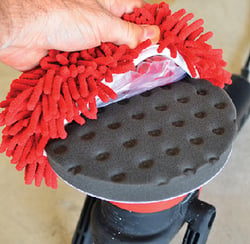
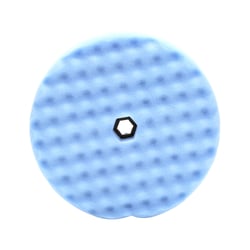
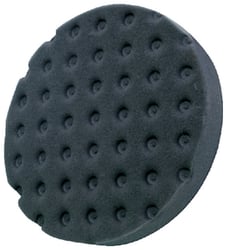
The buffing pad you pair with your machine significantly affects the outcome. Wool pads are the go-to for aggressive compounding and cutting through heavy oxidation on gelcoat. Foam pads in varying densities handle everything from medium correction to final polishing and wax application. Microfiber pads offer a balance of cutting and finishing capability. Most marine detailing jobs call for at least two pad types: a cutting pad for the compound stage and a softer finishing pad for polishing and waxing.
Key Considerations When Shopping
- Surface Condition: Heavily oxidized hulls or RV exteriors typically require a rotary or forced-rotation machine with a wool cutting pad. Lightly oxidized or well-maintained surfaces are well-served by a dual-action polisher.
- Variable Speed Control: Look for a polisher with a wide speed range and easy-to-access controls. Lower speeds are ideal for applying wax and final polishing; higher speeds are needed for cutting compounds.
- Weight and Ergonomics: Working across large hull sides or the full length of an RV is physically demanding. A lighter machine with a comfortable grip reduces fatigue significantly, especially when working on vertical surfaces.
- Pad Size: Larger pads (7–9 inches) cover more surface area quickly on open hull panels. Smaller pads (3–5 inches) offer better control in tight spaces like helm stations, interior surfaces, and curved transitions.
- Corded vs. Cordless: Corded models deliver consistent power for large jobs without interruption. Cordless polishers offer excellent mobility on a dock or in areas without easy power access, making them a compelling option for on-the-water detailing.
Building a Complete Detailing Setup
A buffer or polisher is the centerpiece of any marine or RV detailing kit, but it works best as part of a complete system. Pair your machine with the right cutting compound or oxidation remover for the first stage, a quality marine polish to refine the finish, and a protective marine wax or sealant as the final step. Keeping your pads clean throughout the process — and using dedicated pads for each stage — ensures consistent, professional-quality results every time.