



Oil, Diesel & Fuel Transfer Pumps
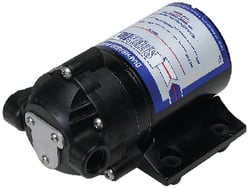

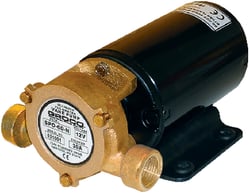

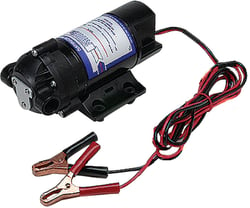
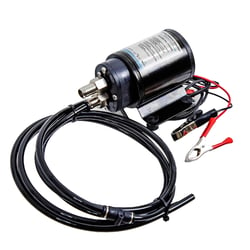
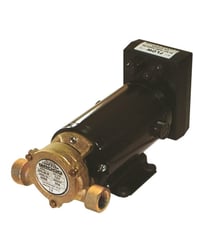
Shurflo 8050-305-626 Premium Utility Pump 1.5 GPM 12V DC with Battery Clips and Hose Kit





What Are Oil, Diesel & Fuel Transfer Pumps?
Oil, diesel, and fuel transfer pumps are purpose-built devices that move flammable and viscous fluids — gasoline, diesel, engine oil, and similar petroleum products — from one location to another safely and efficiently. In the RV and marine world, these pumps are far more than a convenience. They are a fundamental requirement for safe and uninterrupted operation on the water or on the road. Whether you're transferring diesel between tanks on a long-range trawler, doing an engine oil change on your inboard, or topping off a remote fuel supply on your RV, a quality transfer pump keeps your vessel or vehicle moving and your fluids under control.
Why Transfer Pumps Matter for Marine & RV Applications
On a boat, fuel management is a critical safety concern. A reliable fuel transfer pump prevents engine starvation, which can leave a vessel powerless and adrift — a dangerous situation for any boater. Beyond keeping engines running, transfer pumps are used to move oil to and from storage tanks, drain oily bilges, balance fuel loads across multiple tanks for proper vessel trim, and polish stored fuel to remove water and sediment before it reaches sensitive engine components. Moving fuel to a smaller day tank also gives any water or sediment a chance to settle out before it can reach your engine components.
For RV owners, transfer pumps make it possible to refuel generators, auxiliary diesel heaters, or secondary tanks without reliance on a gas station — a critical asset during remote travel or off-grid camping.
Types of Transfer Pumps
Understanding the different pump designs helps you match the right tool to the job:
- Gear Pumps: A type of positive displacement pump that moves a fixed amount of fuel with each rotation — ideal for precise delivery. They handle thicker fuels like diesel with ease and do not require priming before use.
- Vane Pumps: Rotary vane pumps deliver a very consistent flow and are typically self-priming, making them excellent for moving thinner liquids like gasoline. Their efficiency makes them a popular choice, especially in portable systems.
- Centrifugal Pumps: The most widely used pump type overall, centrifugal pumps are simple, affordable, and capable of the highest flow rates — but they do require priming and are less suited to very thick or viscous fluids.
- Electric Transfer Pumps (12V/24V DC): For most recreational boats and RVs, a 12V or 24V DC electric pump is the industry standard. These pumps connect directly to the vessel's battery system, offering push-button convenience and consistent flow for routine refueling.
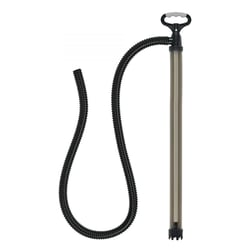
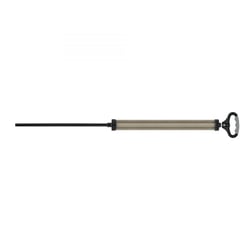
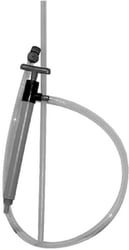
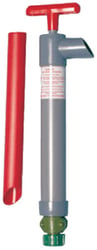
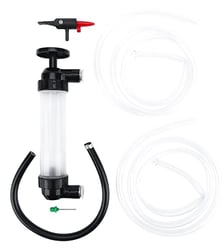
- Manual Hand Pumps: Portable, simple, and useful for occasional transfers or emergencies. A compact hand pump serves as a practical backup even when an electric unit is installed.
Key Considerations When Shopping
Choosing the right pump for your RV or marine application comes down to several important factors:
- Fuel Compatibility: The pump's seals, gaskets, and diaphragms must be rated for your specific fluid. What works for diesel may be incompatible with gasoline or ethanol blends — always verify the manufacturer's compatibility chart.
- Flow Rate: Match pump output to your tank size and vent capacity. Too high a flow rate can cause foaming, static buildup, or overfilling.
- Ignition Protection: For any gasoline application, ignition-protected pumps are non-negotiable. Look for pumps certified by the U.S. Coast Guard (USCG) that are built to prevent their motor from creating a spark that could ignite fuel vapors.
- Corrosion Resistance: The marine environment is demanding — saltwater will degrade inferior materials quickly. Look for pumps constructed from marine-grade stainless steel, bronze, or specialized corrosion-resistant polymers.
- Self-Priming vs. Non-Self-Priming: Self-priming pumps are ready to run without preparation, saving time in demanding applications. Non-self-priming pumps require air to be purged from the system before use.
Maintenance Tips
A consistent maintenance routine dramatically extends the life of any transfer pump. Regularly inspect fittings, seals, and hoses for leaks. Clean or replace inline strainers and filters — a clogged filter forces the pump to work harder and shortens its lifespan. Confirm that all electrical connections on electric pumps are snug and free of corrosion, and always observe the manufacturer's duty-cycle and temperature limits to prevent overheating.