



Primers & Sealers
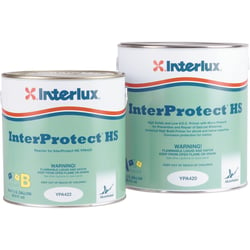

 Representative Photo, actual item may vary

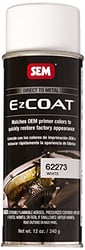

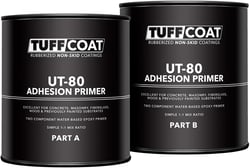

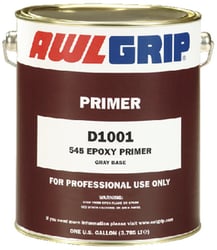

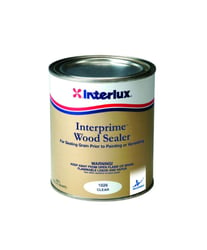
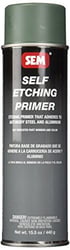

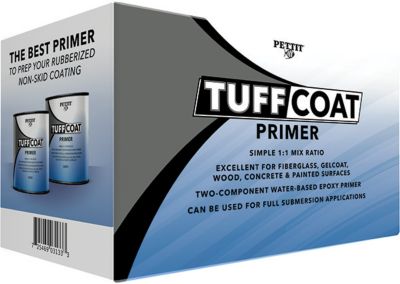 Representative Photo, actual item may vary
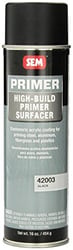
 Representative Photo, actual item may vary
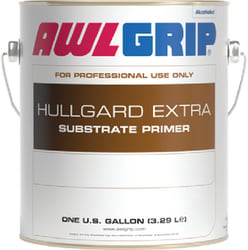
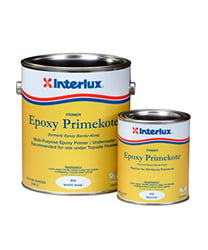
Interlux Paint Y404KIT/1 Epoxy Primekote Two-Part Primer White Gallon 2-Pack
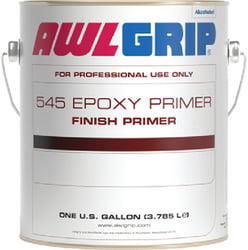
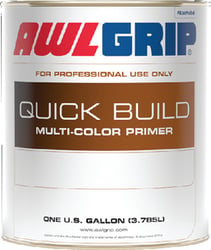
 Representative Photo, actual item may vary
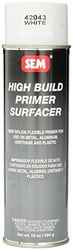
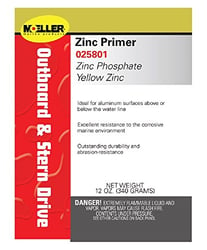

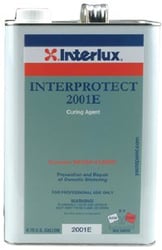
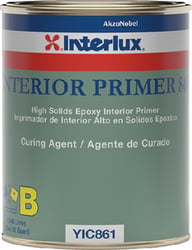
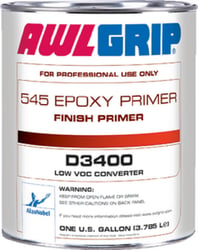
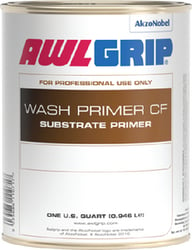
Awlgrip D6600Q Wash Primer CF Base Quart - Chromate-Free Two-Component Etch Primer
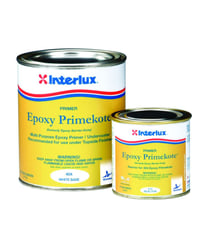
Interlux Paint Y404KIT/QT Epoxy Primekote Two-Part Primer White Quart 6-Pack
- 1
- 2
Why Primers & Sealers Are the Foundation of Any Marine or RV Paint Job
Whether you're refreshing the hull of a weekend cruiser or touching up the exterior of your RV, the paint you see on the surface is only as good as the preparation underneath. Primers and sealers are the unsung heroes of any coating project — the critical first layer that determines how well your topcoat bonds, how long it lasts, and how well your vessel or vehicle holds up against the elements.
Marine and RV primers serve a fundamentally different purpose than the primers you'd find in a hardware store. As one marine coatings expert puts it, household primers aren't formulated for continuous water immersion or salt exposure
— making a purpose-built marine system essential for avoiding premature peeling, blistering, and coating failure. The marine and RV environment introduces relentless challenges: saltwater, UV radiation, constant moisture, and wide temperature swings that standard coatings simply aren't engineered to withstand.
What Primers and Sealers Actually Do
At their core, marine and RV primers perform three key jobs:
- Improve adhesion — They create a mechanical and chemical bond between a bare or previously painted surface and the topcoat applied over it, helping prevent peeling, flaking, and premature failure.
- Protect the substrate — A quality primer helps shield fiberglass, aluminum, steel, and wood from corrosion, wood rot, osmosis, and moisture penetration before your finish coat goes down.
- Build a fair, even surface — High-build primer formulas can fill minor imperfections, helping you achieve a smoother, more professional-looking finish once topcoat is applied.
Sealers, meanwhile, penetrate the surface material — particularly wood — to lock down wood fibers, prevent moisture absorption, and provide a uniform base that helps topcoats and varnishes adhere evenly and last longer.
Types of Marine & RV Primers to Know
Not every primer is right for every job, and choosing correctly makes a meaningful difference in long-term results. Here are the most common types you'll encounter:
- Epoxy Primers — Highly durable and moisture-resistant, epoxy primers are well-suited for bare fiberglass and metal surfaces, and are frequently recommended for below-the-waterline applications where osmosis risk is a concern. Two-component (2K) epoxy systems offer the highest level of protection but require mixing before use.
- Alkyd Primers — Easier to apply and more budget-friendly than epoxy, alkyd primers work well for above-waterline projects but typically require more frequent reapplication in harsh marine conditions.
- Barrier Coats — While closely related to primers, barrier coats are specifically designed to reduce moisture intrusion and prevent osmotic blistering in fiberglass hulls. A primer improves adhesion; a barrier coat focuses on keeping water out.
- Tie-Coats & Undercoaters — These are designed to bridge compatibility between existing old coatings and new paint systems, ensuring the new topcoat bonds properly without adhesion failures.
- Non-Sanding Primers — Formulated for faster turnaround, these products allow recoating within a set window without sanding, saving time on larger projects.
- Wood Sealers — Penetrating sealers fill wood grain and seal fibers, preventing checking, delamination, and moisture absorption. Essential before applying varnish on teak, mahogany, plywood, and other marine timbers.
Above vs. Below the Waterline: Location Matters
Where you're painting on a boat dramatically changes which primer you should use. Below the waterline, primers commonly sit under antifouling paint, and the emphasis is on moisture resistance, osmosis protection, and chemical compatibility with antifouling systems. Above the waterline, primers are paired with topside enamels or two-part polyurethane topcoats, where UV resistance and surface fairness become greater priorities.
For RVs, primers must contend with road grime, UV exposure, and thermal cycling — the flexing and expanding of body panels through seasonal temperature changes. Choosing a primer with the right flexibility and adhesion characteristics for your RV's substrate (fiberglass, aluminum, or composite) is just as important as the topcoat selection.
Key Considerations When Choosing a Primer or Sealer
- Substrate compatibility — Always confirm the primer is rated for your surface: fiberglass, aluminum, steel, or wood each have distinct requirements.
- Above or below the waterline — Some primers are formulated for one zone only; others are rated for both.
- System compatibility — Many manufacturers recommend staying within a single primer-and-topcoat system to avoid adhesion issues between chemically incompatible products.
- Recoat windows — Exceeding the maximum recoat window may require sanding before applying the next coat. Always follow manufacturer timing guidelines.
- Environmental conditions — Temperature and humidity during application directly affect film formation and adhesion. Check the product data sheet before you begin.
A well-chosen primer or sealer is not an optional step — it's the foundation that protects your investment and makes every coat of paint on top perform at its best.