



Relays
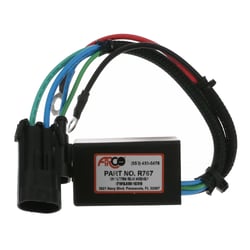

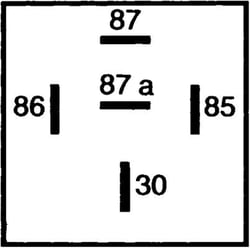
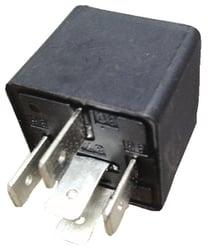

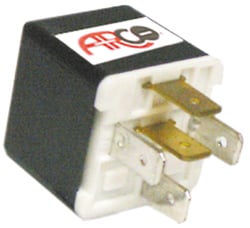
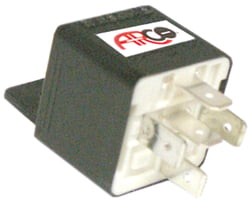
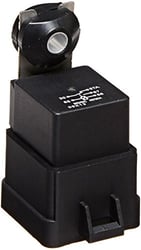
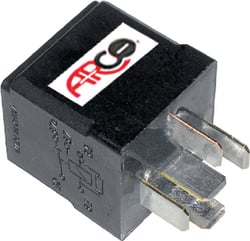
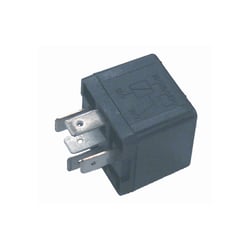
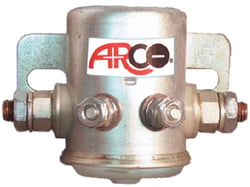
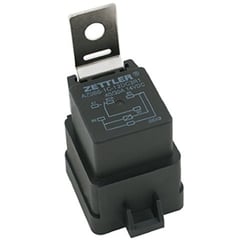

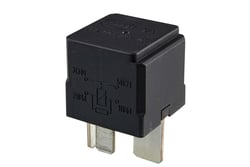

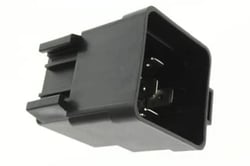

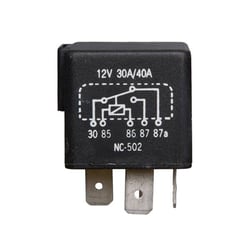
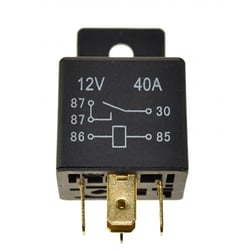

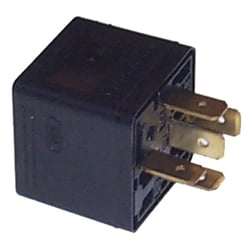
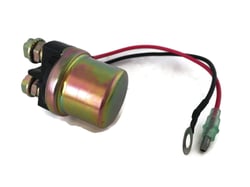
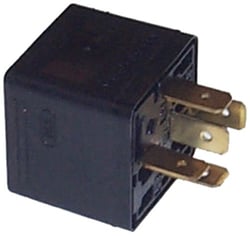
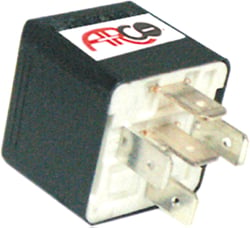
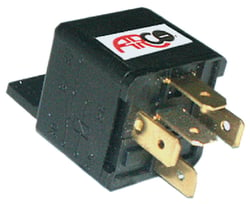
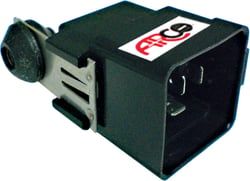

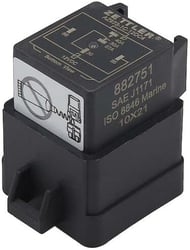
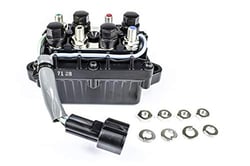
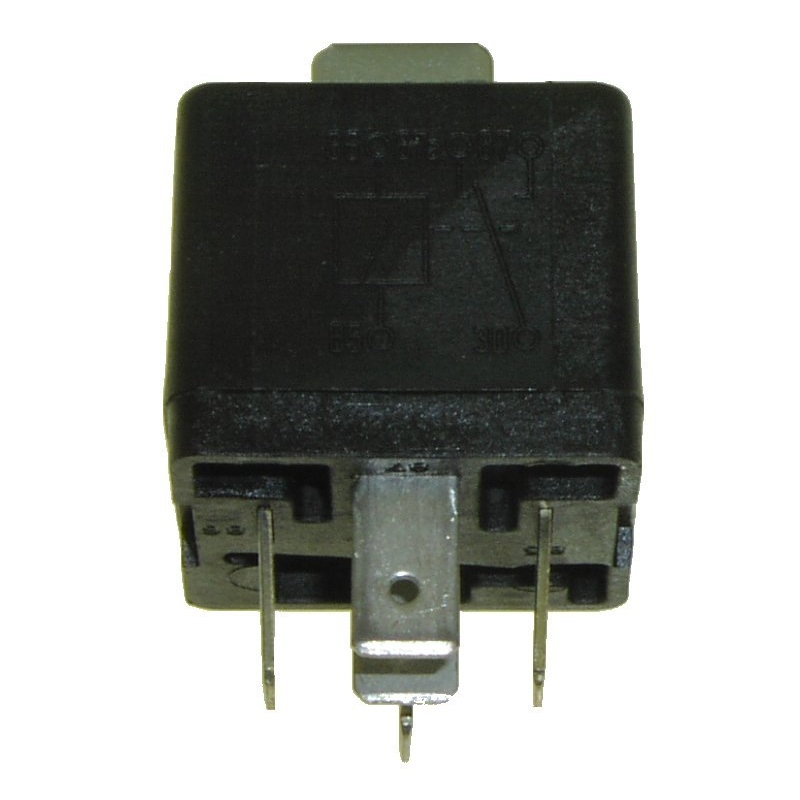 Representative Photo, actual item may vary


What Are Marine & RV Engine Relays?
A relay is one of the hardest-working components in any marine or RV electrical system — and one of the most overlooked. At its core, a relay is an electromechanical switching device that uses a low-current signal to control a much higher-current circuit. Relays are used to control higher-current loads with a lower-current switch. Instead of sending all the current through a dash switch, the switch simply activates the relay, and the relay handles the heavier load — allowing smaller switches, longer wiring runs, and safer operation for higher-current accessories.
Marine and RV engine relays come in several application-specific forms: some are designed for the starting and charging system, others for the ignition system, and still others for switching electric motors or activating auxiliary mechanisms. Whether you're dealing with a starter relay that fires up an outboard engine, a tilt/trim relay controlling your motor's positioning system, or a charging relay managing multiple battery banks, each type plays a critical role in keeping your vessel or RV running reliably.
Why Relays Matter in Marine & RV Environments
High humidity, constant vibration, changing load conditions, salt exposure, and continuous operation can cause electrical faults to emerge quickly and escalate into severe failures if they are not addressed immediately. This makes choosing the right relay — and ensuring it's properly rated and sealed — especially important on the water and on the road.
Most quality marine relays are sealed to protect internal contacts and the coil from moisture, spray, and harsh conditions, making them a better fit for boats than open automotive-style relays, especially in bilges, battery compartments, and other damp environments. For RV applications, relays in the engine bay face similar challenges: heat cycles, vibration, and exposure to the elements all demand robust construction.
Boat and RV relays are essential for controlling larger electrical loads without directly burdening your switches or control panels. By using relays, you can manage power distribution effectively, preventing potential overheating and electrical failures.
Normally Open vs. Normally Closed Relays
When shopping for a relay, understanding its default state matters. A normally open (NO) relay has contacts that are open by default — when the coil energizes, the contacts close and power flows to the load. This is the most common relay type used in marine electrical systems. A normally closed (NC) relay works the opposite way: the contacts are closed by default, meaning the circuit is ON until the relay coil is energized, at which point the contacts open and the circuit turns OFF. Selecting the correct type for your application is essential for safe, predictable operation.
Key Considerations When Choosing a Marine or RV Relay
- Current Rating: Match the relay's amperage rating to the load it will control. Undersized relays overheat and fail prematurely.
- Voltage: Confirm whether your system is 12V or 24V and select a relay rated accordingly.
- Sealing: Look for sealed or waterproof relays for bilge, engine compartment, or any exterior installation.
- Application Type: Starter relays, tilt/trim relays, and charging relays each have different designs — use the right relay for the job.
- OEM Compatibility: Many marine engines require drop-in OEM-replacement relays for proper fit and function. Cross-reference your engine make, model, and serial number before ordering.
Top Brands in Marine & RV Engine Relays
When it comes to reliable starting and charging system components, Arco Starting & Charging is a name that marine enthusiasts have trusted for decades. Nearly 60 years ago, ARCO set the standard for marine engine parts by testing and retesting every unit manufactured beyond normal operating conditions. ARCO is a manufacturer, full-service provider, and distributor of new OEM products and remanufactured electrical components of starting and charging systems for marine engines — including starter relays and tilt/trim relays engineered to match OEM specifications for a wide range of outboard and inboard applications.