



Battery Chargers



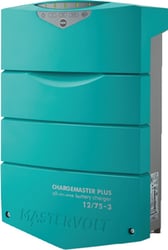

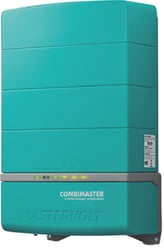
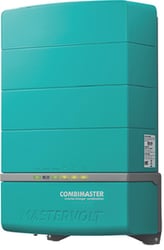
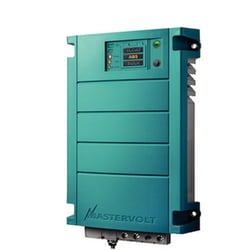
MasterVolt 35513000 CombiMaster 12V 3000W 160A Pure Sine Wave Inverter/Charger
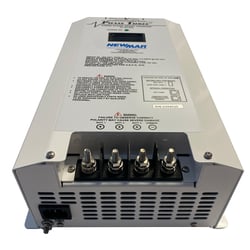
NewMar PT-24-45U 24V 45A Marine Battery Charger Three-Stage Smart Charging
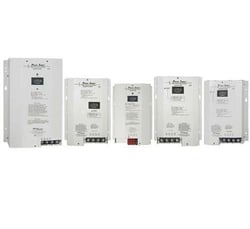
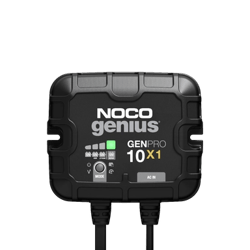
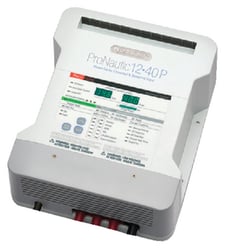

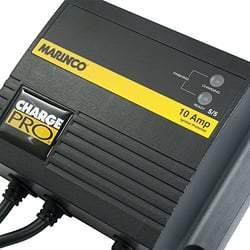

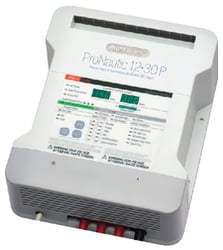
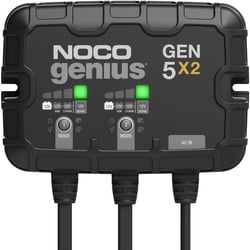
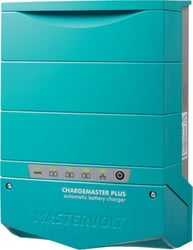
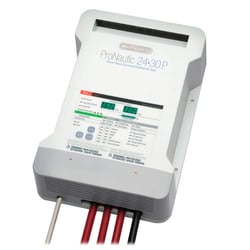
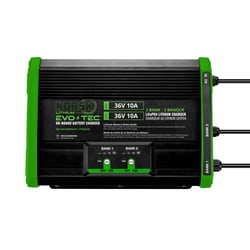

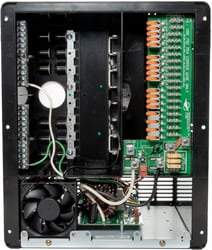
Progressive Dynamics PD4575AV Inteli-Power 4500 Series 75A Converter Charger with AC/DC Distribution Panel
 Representative Photo, actual item may vary
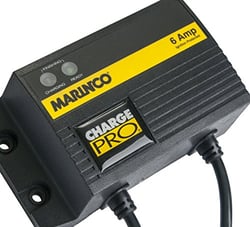
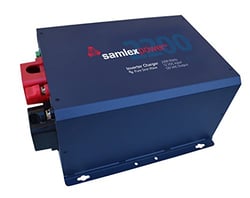
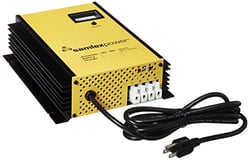
Samlex EVO-2212 2200W 12V Pure Sine Wave Inverter Charger with 100A Battery Charger

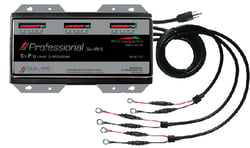

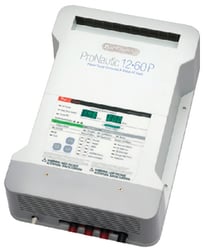
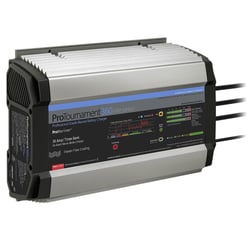
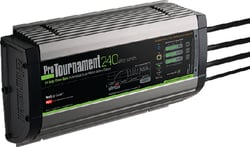
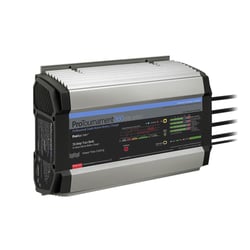
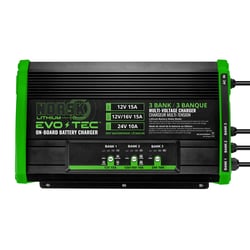
Pro Mariner 52024 ProTournament 240 Elite 24 Amp 2 Bank Waterproof Battery Charger
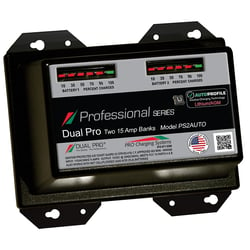
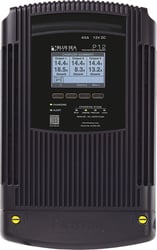

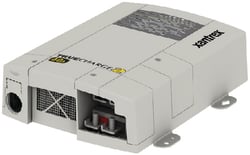

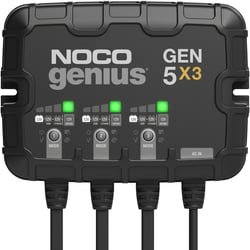
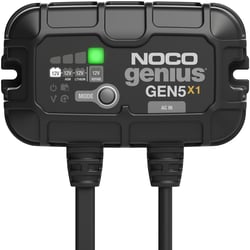
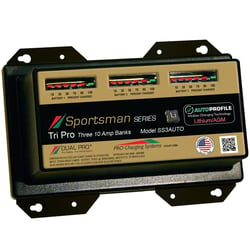

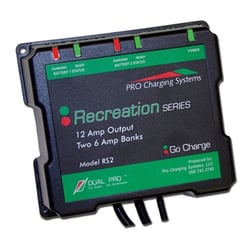
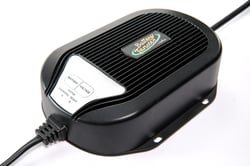
Battery Tender 022-0258-DL-WH 5 Amp 12V/24V Marine Battery Charger and Maintainer
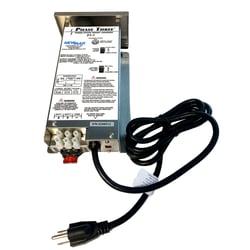
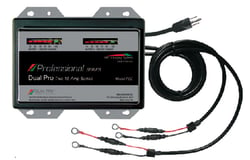
 Representative Photo, actual item may vary
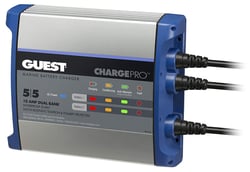
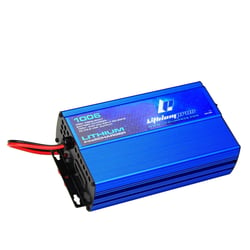
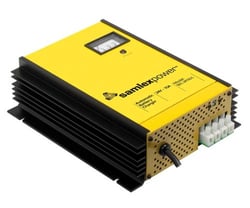
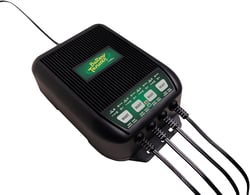
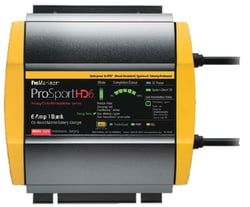
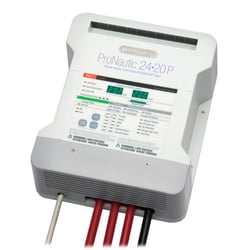
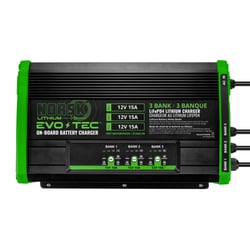
Pro Mariner 44029 ProSportHD 20 Plus Global Gen 4 Marine Battery Charger 20 Amp 3 Bank


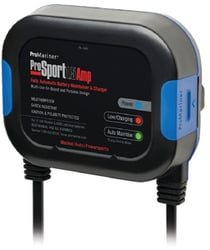
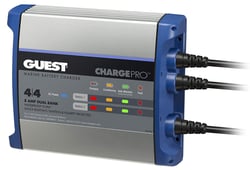

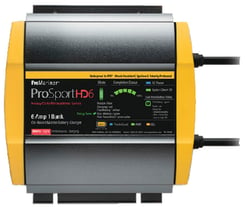
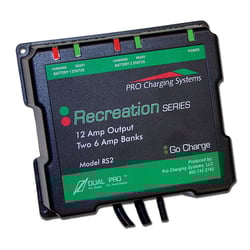


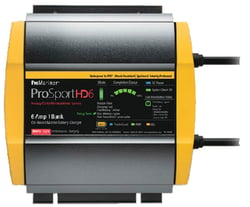
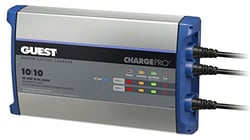
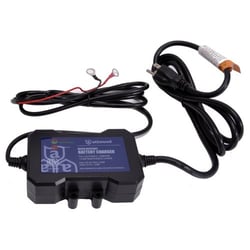

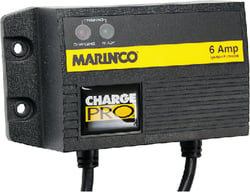
Why a Quality Battery Charger Is Essential
A battery charger is one of the most overlooked yet critical components in any marine, automotive, or electrical power system. Whether you're docked at a marina, stored in a garage between seasons, or powering through a commercial workday, the right charger keeps your batteries healthy, your equipment ready, and your investment protected. Choosing incorrectly — or skipping the charger altogether — can lead to costly consequences that most owners discover far too late.
Deep-cycle marine batteries, in particular, demand specialized treatment. Battery chargers designed for marine use go well beyond a simple top-off — they manage the full charge cycle to prevent the two most common killers of lead-acid batteries: overcharging and undercharging.
Smart Charging vs. Traditional Float Chargers
Modern smart chargers interact directly with the battery to deliver a precise, multi-stage charge process. A three-stage cycle — bulk, absorption, and float — provides the fastest recovery while conditioning the battery for maximum service life. In contrast, traditional float chargers can cause voltage to droop under heavy loads and may fail to reach the absorption voltages recommended by battery manufacturers, leading to chronic undercharging. Over time, this allows lead sulfate crystals to form on the battery plates, a condition known as sulfation that permanently reduces capacity.
Smart chargers also adapt to battery chemistry. A selector switch or automatic detection adjusts output voltage to properly charge gel-cell, flooded lead-acid, AGM, or lithium (LiFePO4) batteries — each of which requires a distinct charging profile to avoid damage.
Key Factors When Shopping for a Battery Charger
- Battery Type Compatibility: Confirm the charger supports your battery chemistry — flooded, AGM, gel, or lithium. Lithium batteries in particular require a charger specifically programmed for their chemistry.
- Voltage Matching: The charger's output voltage must match your system — most marine setups run 12V or 24V. Using a mismatched voltage can permanently damage a battery.
- Amperage Output: A general rule of thumb is to select a charger that delivers 10–20% of your battery's amp-hour (Ah) capacity for safe, efficient charging.
- Number of Banks: Boats and vehicles with multiple batteries benefit from multi-bank chargers, which charge each battery independently and simultaneously without cross-interference.
- Onboard vs. Portable: Onboard chargers are permanently mounted and wired in — ideal for frequent boaters who plug into shore power at the dock. Portable units offer flexibility for smaller craft or occasional use.
- Environmental Durability: For marine and outdoor applications, look for corrosion-resistant housings, drip shields, and certifications such as USCG ignition protection (CFR 183.410) and IP-rated waterproofing.
- Temperature Compensation: An optional but valuable feature that adjusts charge voltage based on ambient temperature, ensuring accurate charging in cold winters or hot summers.
Top Battery Charger Brands
NewMar is a benchmark name in DC power, particularly for demanding marine and commercial applications. Their Phase Three Series smart battery chargers deliver a three-stage bulk, absorption, and float cycle for 12V and 24V systems, with support for gel-cell, flooded lead-acid, and AGM battery types. Built with rugged stainless steel housings, marinized internal circuitry, forced air cooling, and ignition-protection certification, NewMar chargers are trusted across workboats, military vessels, commercial craft, and recreational boats alike.