



Deck Plates & Covers
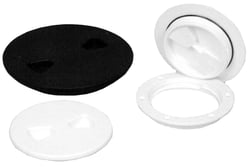

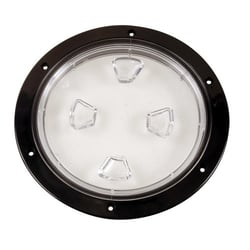

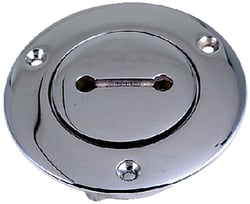

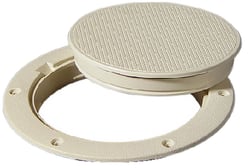

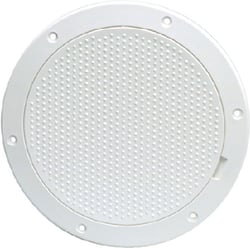
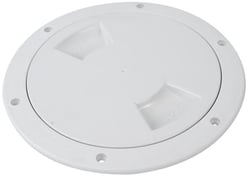
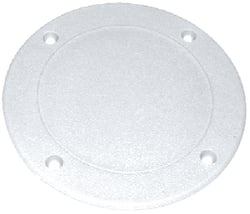
Beckson Marine DP83-W 8" Pry-Out Deck Plate with Dimple Center and White Trim Ring
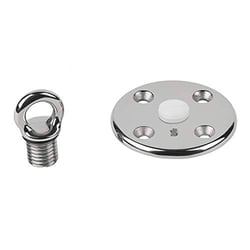
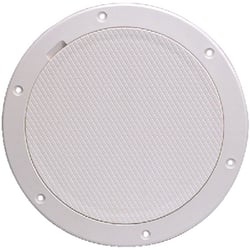
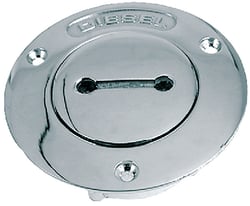
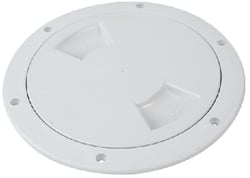

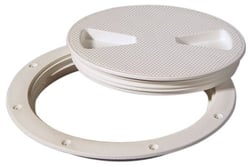
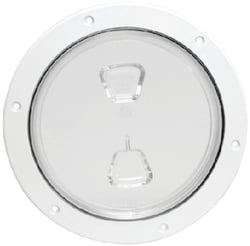
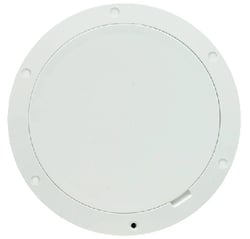
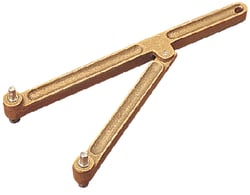

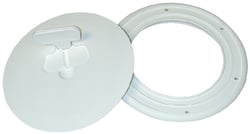
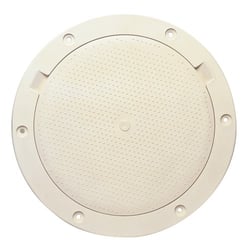
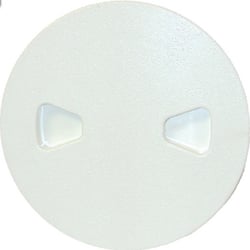
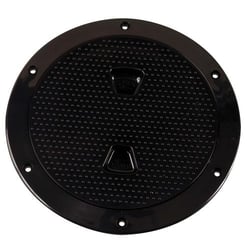
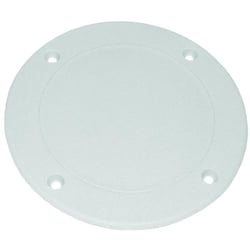
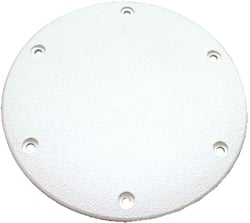
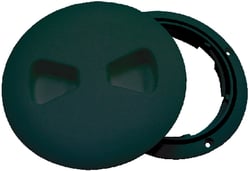
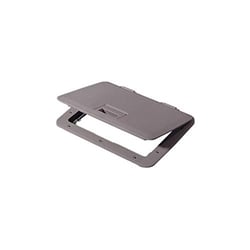
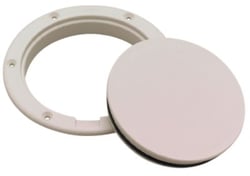

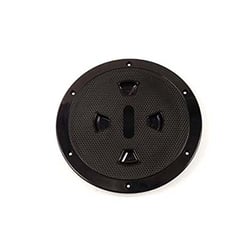

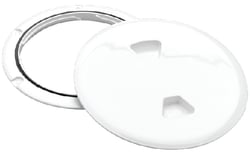
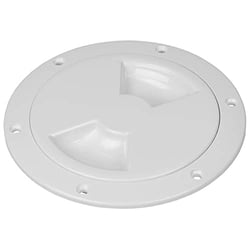
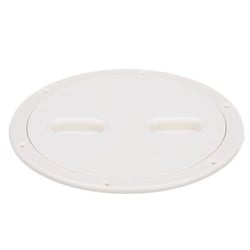
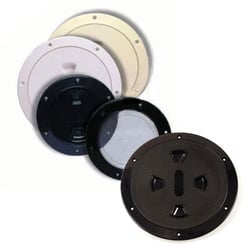
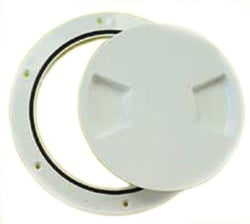
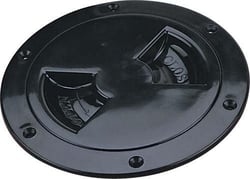
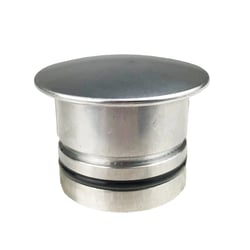
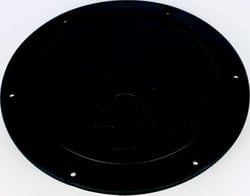
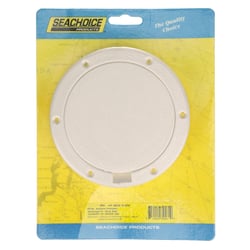
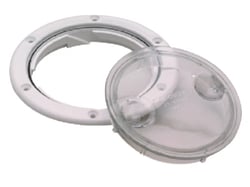
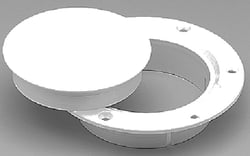

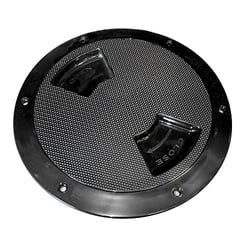
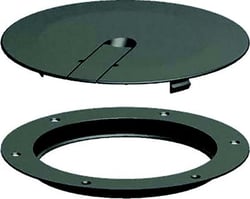
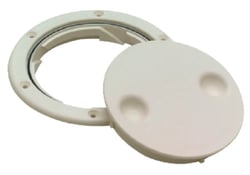
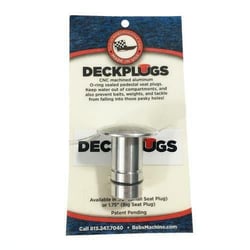
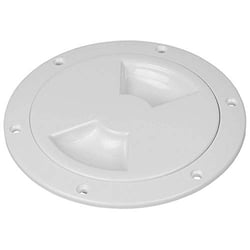
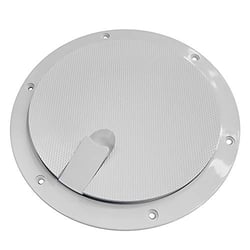
 Representative Photo, actual item may vary
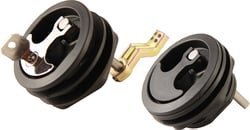

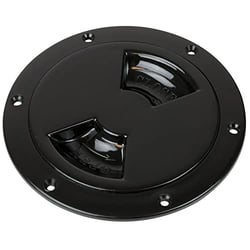
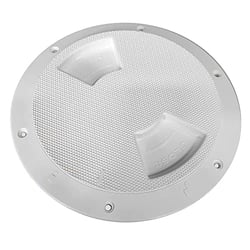
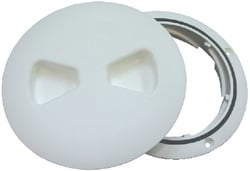
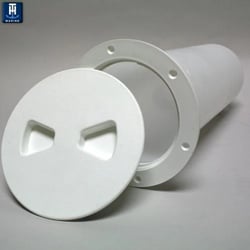
Sea-Dog Line 336382-1 Quarter-Turn Deck Plate with Internal Collar, White, #8 Fastener
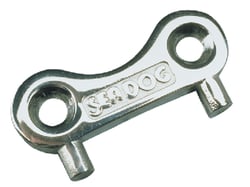
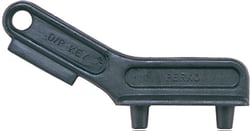
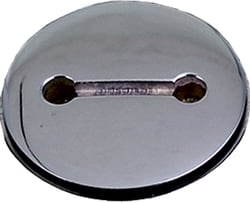
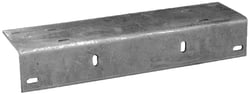
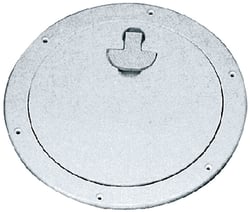
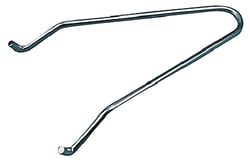
Tie Down Engineering 26416 Heavy-Duty Commercial Grade Dock Deck Plate 3/16 in. x 22 in. x 4 in. x 6 in.

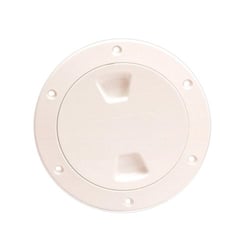
- 1
- 2
What Are Marine Deck Plates & Covers?
Deck plates on a boat are used to cover and access otherwise inaccessible spaces, such as a tank for water, fuel, or waste. Equipment such as shut-off valves, electrical switches, and monitoring gauges are often located in protected areas below deck or behind bulkheads to protect such equipment from salt spray, inadvertent contact, and unauthorized handling. A deck plate makes it possible to reach those systems quickly and seal them back up tight when the work is done.
Deck plates provide access to areas while taking up very little space. Since they're not as easy to open and close as hinged hatches, they're typically placed in areas that don't require frequent use. Common examples include locations over sending units or fuel pickups, or around livewells and fill necks.
Styles & Materials
Deck plates come in two basic styles: the screw-in style and the pry-out style. The screw-in style features a threaded rim that the door simply screws into, and these are typically more waterproof than the pry-out style since the threads can resist any intrusion. The pry-out style has no threads — it is simply a push-fit cover that pries out to be opened and pushes in to be closed.
Synthetic deck plates are commonly found in smaller boats and kayaks, whereas metal deck plates are typically found on larger vessels. Deck plate collections typically feature corrosion-resistant stainless steel and plastic options in a range of sizes for access to storage compartments, bilges, and below-deck systems. Stainless deck plates are the preferred choice for high-visibility installations — they look sharp, seal tightly, and hold up to the marine environment for years.
What to Look for When Shopping
- Watertight rating: Look for plates certified to ABYC, NEMA, or ISO standards to ensure a reliable seal in wet or submerged conditions.
- Size & fit: Deck plates are available in a range of diameters — typically 4", 6", and 8" — so measure your cutout carefully before ordering.
- Surface finish: On deck plates in high-traffic areas on your boat deck, an aggressive non-skid surface is desired to prevent slipping.
- Material: UV-stable plastics work well for recreational boats, while cast aluminum or stainless steel is preferred for commercial and heavy-duty applications.
- Opening mechanism: Consider how frequently you'll need access — screw-out plates offer a tighter seal, while pry-out plates allow faster entry.
Top Brands in Deck Plates & Covers
Beckson Marine is one of the most trusted names in marine deck plates. Already ABYC H-3 and H-4 compliant for watertight deck structures and cockpits, Beckson Marine's screw-out and pry-out deck plates are certified by testing to meet NEMA's rigorous standards. The Beckson screw-out plate was designed to provide access without the use of tools, with a single-start, non-jamming, extra-strong, self-cleaning buttress thread.
Bomar brings decades of engineering pedigree to deck plates and inspection hatches. Bomar deck plates resist UV, impact, and saltwater — delivering tough, watertight access where reliability matters most. Bomar hatches are manufactured in the United States and field-proven across commercial, military, and recreational marine industries.
Tempress Products offers practical deck plate solutions well regarded among recreational boaters for their reliable, low-profile designs that blend durability with straightforward installation. Seachoice rounds out the selection with value-focused marine hardware that provides dependable performance for everyday boating applications.