



Holding Tanks & Waste Treatment Systems
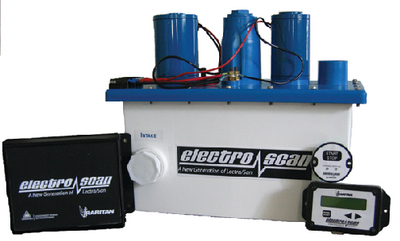 Representative Photo, actual item may vary
Raritan Engineering ESTRK Electroscan Repair Kit for EST Marine Waste Treatment Systems


Understanding Marine Holding Tanks & Waste Treatment Systems
For any vessel equipped with an onboard head, a properly designed waste management system isn't optional — it's a legal requirement and a matter of environmental responsibility. Marine holding tanks and waste treatment systems are the backbone of onboard sanitation, ensuring that wastewater is safely contained, treated, or discharged in compliance with federal and local regulations.
Why This System Matters
Under the federal Clean Water Act, vessels operating within three miles of the U.S. coastline — and in all inland freshwater lakes, rivers, and designated No-Discharge Zones (NDZs) — are prohibited from discharging untreated sewage. In these areas, waste must either be treated by an approved onboard device or stored in a holding tank until it can be pumped out at a designated facility. Choosing the right Marine Sanitation Device (MSD) type for your boating style is the first critical step in building a compliant system.
Types of Marine Sanitation Devices
The U.S. Coast Guard and EPA recognize three main MSD categories:
- Type I MSDs are flow-through devices that macerate and disinfect waste before discharge, suitable for smaller vessels in coastal waters.
- Type II MSDs use aerobic biological digestion and additional disinfection to achieve higher treatment levels, and are more commonly found on larger vessels.
- Type III MSDs are holding tanks that store sewage on board without treatment until it can be properly pumped out at a marina or pump-out facility — the most common setup for recreational boats.
Choosing the Right Holding Tank
Selecting the right holding tank means balancing capacity, material, and installation constraints. Tank capacity should be matched to your crew size and typical cruising duration — a general guideline is approximately 10 gallons of black water per person per day. For material, marine holding tanks are commonly available in rotationally molded polyethylene, fiberglass, and stainless steel, each offering different trade-offs in weight, corrosion resistance, and shape flexibility. Seamless, roto-molded polyethylene tanks are popular for their leak-resistant construction and resistance to odor permeation through the tank walls.
Essential System Components
A complete marine waste system involves more than just the tank itself. A well-built setup includes:
- Tank Level Sensors & Monitors — Electronic or mechanical sensors provide real-time waste level readings and help prevent costly overflows.
- Macerator & Diaphragm Pumps — These pumps grind and transfer waste for overboard discharge offshore or to a deck pump-out fitting.
- Y-Valves & Diverter Valves — Direct waste to the holding tank or overboard, and must be properly secured in restricted discharge areas.
- Sanitation Hose — Specialized marine-grade hose resists odor permeation; smooth-bore designs reduce blockages and are recommended throughout the system.
- Vent Lines & Carbon Filters — Proper ventilation allows gases to escape and minimizes pressure buildup; activated carbon vent filters add an extra layer of odor control at the vent outlet.
- Fittings, Clamps & Deck Pump-Out Fittings — Secure, quality connections prevent leaks and make routine pump-outs straightforward.
Holding Tank Treatments & Odor Control
Effective odor management is one of the most important — and most overlooked — aspects of a marine waste system. Holding tank treatments fall into several categories: enzyme-based formulas that accelerate the digestion of organic waste; bio-active treatments containing live aerobic bacteria that crowd out odor-producing anaerobic bacteria; and nitrate-based treatments that provide an alternative oxygen source for bacteria, reducing hydrogen sulfide (the source of the characteristic "rotten egg" smell). Choosing a biodegradable, environmentally safe formula is especially important for boaters operating in sensitive marine ecosystems.
Maintenance Tips for Long-Term Performance
Regular maintenance extends the life of any marine waste system. Periodically flush the tank with fresh water after pump-outs to dislodge solids and prevent sludge buildup. Inspect sanitation hoses for wear, softness, or odor seepage and replace as needed. Keep vent lines clear, and only flush materials designed for marine systems — even products marketed as "flushable" can destroy macerator blades and clog plumbing.