



Helms & Bezels
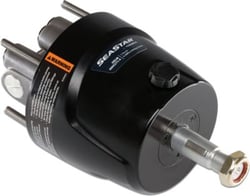

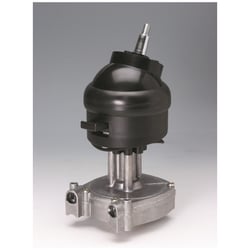

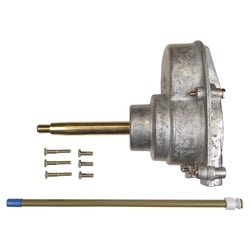
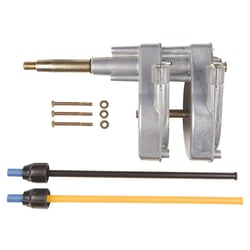
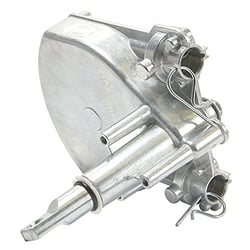
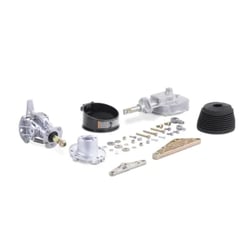
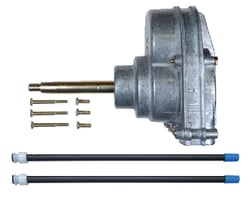
SeaStar Solutions SH-4952P Safe-T Quick Connect Dual Cable Rotary Steering Helm
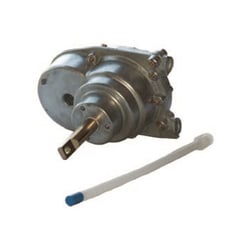
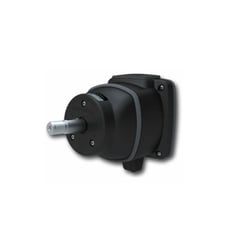
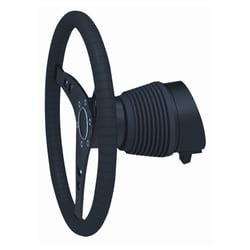
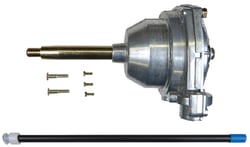
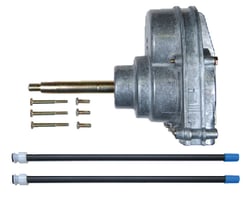
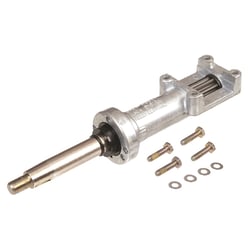
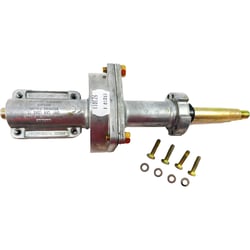
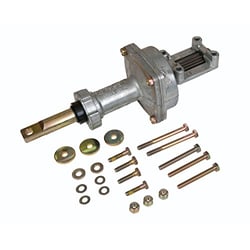
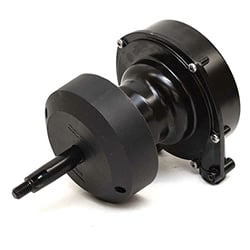
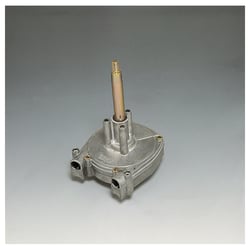
Seastar Solutions SH91630P Back Mount Rack Pinion Steering Helm Helms & Bezels
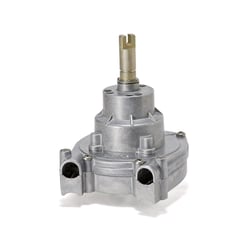
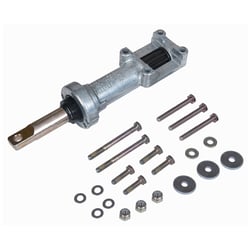
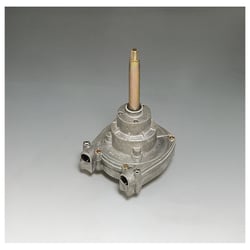

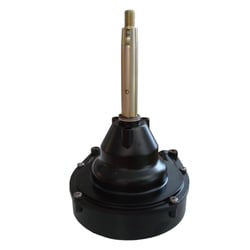
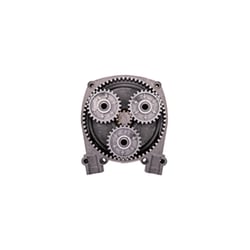
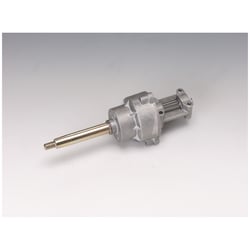
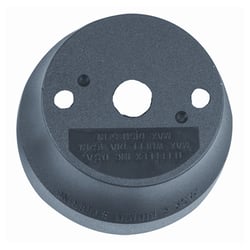
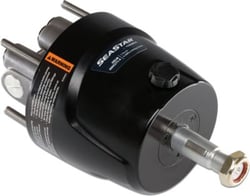
Teleflex HH5271-4 SeaStar 1.7 Cu In Front Mount Hydraulic Helm with ORB Fittings

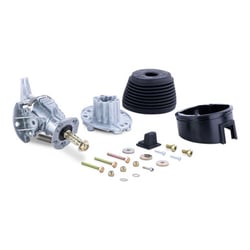
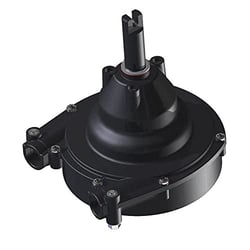
Seastar Solutions SH91810P Pro Series Splined Shaft Sport Tilt Helm Mechanism
 Representative Photo, actual item may vary
Bennett OBI9000E-DS Electric Dual-Station Helm Control for Marine Trim Tabs

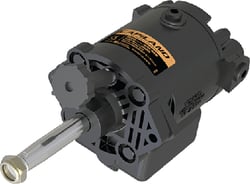
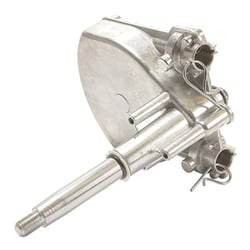
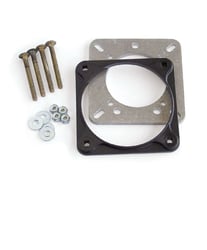
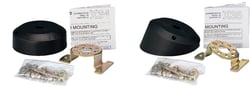
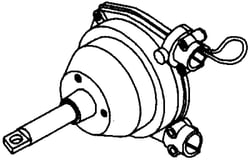

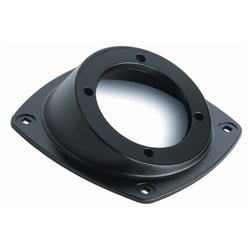
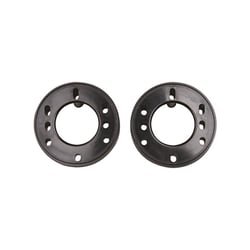
Seastar Solutions SB27483P 20 Degree Safe-T Bezel Kit for Marine Steering Helms

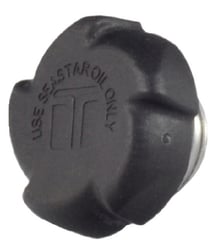
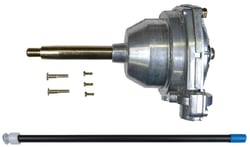
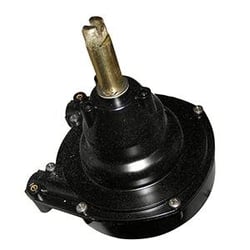
 Representative Photo, actual item may vary
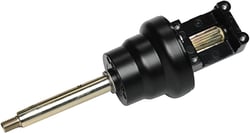
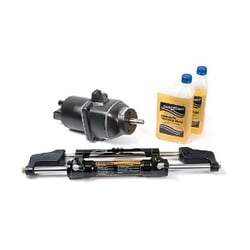
 Representative Photo, actual item may vary
 Representative Photo, actual item may vary
What Are Marine Steering Helms & Bezels?
The helm is one of the most critical components in any boat's steering system. A steering helm is the mechanical assembly mounted at the dash that converts the rotational movement of your steering wheel into linear cable or hydraulic motion, ultimately directing your outboard, sterndrive, or rudder left or right. Without a properly functioning helm, precise boat control is simply not possible. The bezel is the trim ring that surrounds the helm at the dash, securing it at the correct angle while providing a clean, finished appearance to the helm station.
Types of Replacement Steering Helms
Understanding the type of helm your boat uses is the first step to finding the right replacement. There are several main categories to be aware of:
- Rotary Helms — Among the most common mechanical helm designs, rotary helms use a rotating internal mechanism to push and pull a steering cable. They are widely used on single-engine outboard and sterndrive boats and are prized for their simplicity and reliability.
- No-Feedback (NFB) Helms — NFB helms incorporate a one-way clutch mechanism that prevents engine torque and water pressure from feeding back through the steering wheel. This reduces driver fatigue and provides a more comfortable, controlled feel at the helm.
- Rack & Pinion Helms — Rack helms use a linear rack mechanism to translate wheel rotation into cable movement, offering precise, low-backlash steering response. They are favored in performance applications and on boats with high-horsepower engines where feedback and precision matter most.
- Tilt Helms & Dash Tilt Modules — Tilt helms allow the driver to adjust the steering wheel angle for ergonomic comfort across a range of driving positions. Tilt module kits can often be added to compatible existing helm units, bringing adjustable steering to boats that were originally fixed-angle.
- Jet Boat Helms — Designed specifically for jet-propelled watercraft, these helms accommodate the unique steering arcs and cable requirements of jet boat applications, providing accurate directional control without conventional rudder hardware.
The Role of Helm Bezels
Bezels may seem purely cosmetic, but they serve an important functional purpose. A bezel secures the helm to the dash at a precise angle — commonly 90° or 20° — ensuring consistent cable geometry and preventing movement or vibration during operation. Bezels are available in different angles to suit different dash configurations, and replacing a worn or cracked bezel restores both the structural integrity and the clean look of your helm station.
When to Replace Your Helm or Bezel
Even well-built marine steering components are subject to wear from saltwater exposure, UV degradation, and thousands of steering cycles. Signs that a helm replacement may be needed include excessive play or slop in the steering wheel, stiffness or binding during turns, fluid leaks in hydraulic-assist systems, or visible cracking and deterioration of the helm housing or bezel. Because the steering system directly affects vessel safety, addressing these issues promptly is essential.
Key Considerations When Shopping
When selecting a replacement helm or bezel, compatibility is paramount. Always verify that the replacement unit matches your existing cable type — rotary, rack, or hydraulic — as well as your engine type and horsepower rating. Pay attention to whether your system uses a quick-connect cable interface or a traditional threaded connection, as these are not interchangeable without an adapter. For boats that are being upgraded from an older system, helm converter kits are available to bridge the gap between legacy and current-generation cable designs. Bezels should be matched to your helm model and your desired mounting angle to ensure a proper, rattle-free fit.