



Multi-Function Display Systems



Simrad 00015617002 GO9 XSE 9-Inch Chartplotter with C-Map Discover, Active Imaging 3-in-1 Transducer & HALO20+ Radar




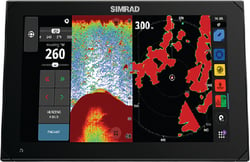
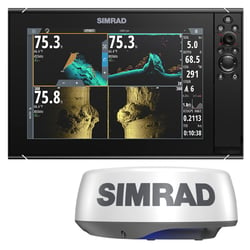
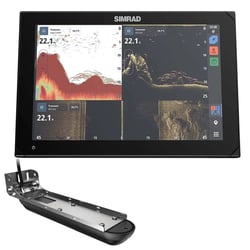
 Representative Photo, actual item may vary

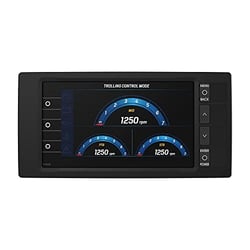
VDO Gauges A2C1865330001 OceanLink 7" NMEA 2000 Marine TFT Display Black


Si-Tex NAVPRO1200 12" Touchscreen GPS Chartplotter with WiFi and Internal GPS

 Representative Photo, actual item may vary
B&G 000-16357-001 Zeus S 15" Ultrawide Chartplotter with C-MAP DISCOVER X
 Representative Photo, actual item may vary
 Representative Photo, actual item may vary

Furuno TZT16F NavNet TZtouch3 16" Multifunction Display with CHIRP Fish Finder

Simrad 00015222001 NSX 3012 12" Chartplotter Fishfinder Display Without Transducer
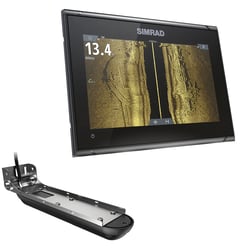
Simrad 00014840002 GO9 XSE 9-Inch Chartplotter Fishfinder with Active Imaging 3-in-1 Transducer



Simrad 000-13285-001 IS42 Multi-Function Instrument Display 4.1" Color LCD





Simrad 000-16561-001 NSO 4 24-Inch Multifunction Chartplotter Display with C-MAP Discover X
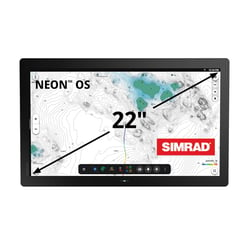
Simrad 000-16560-001 NSO 4 22-Inch Glass-Bridge Multifunction Display with C-MAP Discover X


Furuno TZT24X 24" TZtouchXL Multi-Function Display with Multi-Touch IPS Screen

 Representative Photo, actual item may vary
Hatteland JH 23T14 MMD-MR1-AABA Series 1 G2 23.1-Inch Maritime Multi Display AC/DC Indoor
A multi-function display (MFD) is the central screen of a modern boat's electronics suite. Instead of separate units for charts, radar, sonar and engine readouts, an MFD brings them together in a single interface. Many systems also serve as the control hub for autopilots, cameras, communications gear and other networked sensors, so the helm stays uncluttered and information is easy to read at a glance.
Why Multi-Function Displays Matter
Good situational awareness is the foundation of safe navigation. An MFD lets you overlay radar targets on a chart, compare sonar returns with bottom contours, and monitor engine and tank data without leaving the helm. For anglers, cruisers and offshore captains alike, that integration shortens reaction time and reduces the chance of missing something critical in poor visibility or crowded waters.
Leading Brands in Multi-Function Display Systems
Furuno is a long-established name in commercial and recreational marine electronics and is credited with introducing the first touch-screen MFD. Its NavNet family supports networked radar, fish finders, multibeam sonar and instruments, and the brand also offers large multi-touch monitors for glass-bridge installations.
Raymarine is known for its Axiom series, which runs the LightHouse operating system and pairs chartplotting with CHIRP sonar and RealVision imaging. Its displays are popular with boaters who want an intuitive touch interface and deep integration with the brand's radar and sonar.
Simrad offers MFDs in touch and hybrid touch-and-keypad formats, which many boaters prefer when conditions are rough or the display is mounted on a flybridge. Its NSS evo3S and NSO lines are common choices for serious offshore and fishing setups.
Maretron takes a different approach, focusing on NMEA 2000 monitoring and control. Its DSM series of multi-function color displays shows vessel data such as engine, tank and environmental readings from across the network, which makes it a good fit for boaters who want detailed system monitoring.
Sierra is widely recognized in marine engine parts and instrumentation, and its offering here suits owners who want display and monitoring components that match their engine and gauge setup.
What to Consider When Choosing an MFD
- Screen size and layout: Larger screens support split views for chart, radar and sonar, while compact units suit smaller consoles.
- Control style: Touch-only, keypad or hybrid controls each have advantages, especially in spray, gloves or heavy seas.
- Network compatibility: Check that the display supports your existing radar, sonar, autopilot and NMEA 2000 or Ethernet network.
- Charting and sonar features: Look at preloaded cartography, chart-card options and built-in sonar support.
- Sunlight readability and durability: Bright, anti-glare, waterproof displays are essential on open helms.
- Mounting: Consider flush or bracket mounting, cutout dimensions and how much clearance you have behind the panel.
Matching the display to the rest of your electronics, rather than chasing the biggest screen, usually gives the best results on the water.