



Anti-Siphon Valves



What Is a Marine Anti-Siphon Valve?
An anti-siphon valve is a small but critical safety component in any marine or RV fuel system. Its job is to prevent fuel from flowing uncontrolled out of the tank when it shouldn't be — whether due to gravity, a broken fuel line, or an engine that has been shut off. On a boat, the stakes are especially high: a siphoning fuel line can empty a tank directly into the bilge or engine compartment, creating a serious fire risk. That's why anti-siphon valves are standard equipment on marine gasoline fuel systems and why bypassing them is never a safe shortcut.
How Anti-Siphon Valves Work
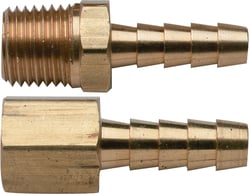
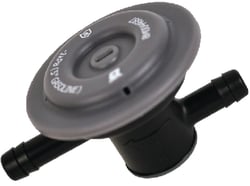
Most marine anti-siphon valves are threaded directly into the fuel tank's withdrawal fitting or integrated into the tank outlet assembly. On inboard and sterndrive setups, they sit where the fuel hose leaves the tank and routes toward the water-separating filter and fuel pump. The valve uses a spring-loaded ball or diaphragm mechanism that remains closed until engine vacuum opens it — allowing fuel to flow toward the engine while blocking reverse siphon flow the moment demand stops.
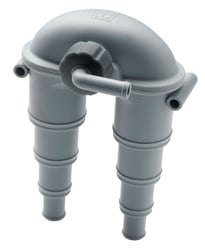
A second application is in wet exhaust cooling systems. When a boat's cooling water injection point sits less than 15 cm above the waterline, there is a risk that cooling water will siphon back into the exhaust system and ultimately into the engine itself when the engine is shut off. An anti-siphon air vent installed at least 40 cm above the waterline breaks this siphon effect and protects the engine from hydrolocking.
Why Replacement Matters
Like any safety component, anti-siphon valves wear out. Ethanol-blended fuel, moisture, tank debris, and varnish can all affect the small internal passage and spring mechanism over time. A valve that is dirty, corroded, or undersized may not fail completely — it may just add enough flow restriction to cause intermittent performance problems that are difficult to diagnose at the dock, such as loss of top-end RPM under load. Choosing a replacement valve with the correct cracking pressure and flow capacity for your engine's horsepower rating is essential, particularly on higher-output engines or systems with long hose runs.
Top Brands in Marine Anti-Siphon Valves
Vetus is a respected Dutch marine engineering brand widely trusted for exhaust system components. Their ASDV and AIRVENTV anti-siphon air vent devices are designed specifically for wet exhaust cooling systems on engines mounted near the waterline. Notable features include a 360° rotating air bleed connection and tool-free valve maintenance — a real advantage for service in tight engine compartments.
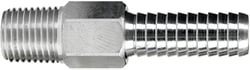
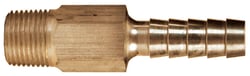
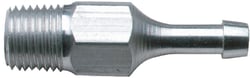
Attwood Marine is a well-established name in marine fuel system hardware with over 100 years of experience engineering marine products. Their anti-siphon valve fittings are designed for use with all gasoline-powered boats and are constructed of corrosion-resistant aluminum, making them a reliable OEM-style replacement for tank outlet fittings.
What to Look for When Shopping
- Fitting size: Match the NPT thread size and hose barb diameter to your existing tank outlet.
- Cracking pressure (CAL rating): Higher-horsepower engines (201 HP and above) typically require a lower cracking pressure valve to ensure adequate fuel flow.
- Material: Aluminum is preferred for resistance to galvanic corrosion, especially when paired with aluminum tanks.
- Application type: Fuel anti-siphon valves and exhaust cooling water anti-siphon vents serve different functions — make sure you're selecting the correct type for your system.
- Maintenance design: Some valves require removal from the bulkhead for servicing; others, like certain Vetus models, allow in-place maintenance without tools.