



In-Line Check Valves





What Are In-Line Check Valves and Why Do They Matter?
In-line check valves are among the most understated — yet most critical — components in any marine or RV plumbing system. These small, one-directional flow devices serve a straightforward purpose: they allow fluid to travel in only one direction, automatically blocking reverse flow the moment forward pressure stops. Whether they're protecting a freshwater pump, a fuel line, or a marine sanitation system, check valves are the silent guardians that keep onboard plumbing honest.
In an RV, the check valve behind the city water inlet is a perfect example of this at work. It allows pressurized city water to enter the rig's plumbing when hooked up at a campsite, while simultaneously preventing the onboard water pump from pushing freshwater back out of the tank when you're dry camping. A failed check valve can drain your entire freshwater supply — a serious problem miles from the nearest water source. In marine applications, check valves appear in fresh water, fuel, and sanitation systems alike, anywhere that backflow would mean contamination, pump damage, or system failure.
How In-Line Check Valves Work
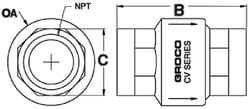
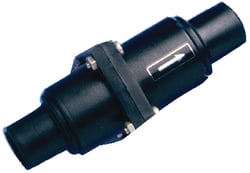
Most in-line check valves used in RV and marine applications rely on a spring-loaded ball or disc mechanism. When fluid flows in the correct direction, it overcomes the spring tension and opens the valve. The moment flow stops or reverses, the spring snaps the sealing element shut. Spring-loaded designs are particularly popular because they are relatively silent, minimize water hammer, and can be installed in any orientation — horizontally or vertically — offering flexibility in tight onboard spaces.
When shopping for a replacement or upgrade, there are several key factors to consider:
- Connection type: RV and marine check valves commonly use threaded (NPT or BSP), compression, or push-fit connections — always verify compatibility with your existing plumbing.
- Pressure rating: A valve rated for at least 80 PSI is generally suitable for both city water inlet and onboard pump connections in most RV systems.
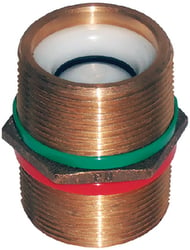
- Material: Bronze, brass, and chemical-resistant plastics are the most common choices. Brass is favored for its durability and corrosion resistance, while plastic valves work well in freshwater lines where weight savings matter.
- Flow direction: Always install with the arrow on the valve body pointing in the direction of intended flow.
- Sediment protection: Debris is one of the leading causes of check valve failure. Pairing your valve with an inline filter at the water inlet significantly extends service life.
Top Brands for In-Line Check Valves
Sierra is one of the most recognized names in the marine aftermarket, known for producing high-quality replacement parts engineered to meet or exceed OEM specifications. Sierra's check valve lineup covers a wide range of applications, including fuel pump check valves for Mercury, Mariner, Johnson, and Evinrude outboards, as well as kits for MerCruiser stern drives — making them a go-to for boaters who demand reliable, application-specific fit.
Whale Water Systems brings decades of innovation to marine and RV plumbing. Now part of the Navico Group, Whale supplies the marine and caravan markets worldwide with a comprehensive range of freshwater, bilge, and waste management products. Their check valves integrate seamlessly with the brand's broader Quick Connect plumbing ecosystem, making them an excellent choice for boaters and RVers building or maintaining a complete Whale-based water system.
Centek is a well-regarded manufacturer in the marine industry, particularly known for exhaust and sanitation system components. Their presence in the check valve category reflects the brand's commitment to comprehensive onboard plumbing solutions for serious mariners.
Beckson Marine has built a strong reputation for practical, durable marine hardware. Beckson's check valve offerings are trusted by boaters who appreciate straightforward, dependable components that hold up in saltwater environments.