



Ball Valves
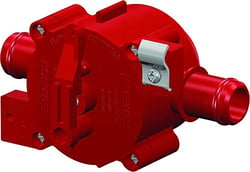
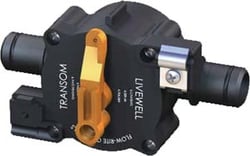
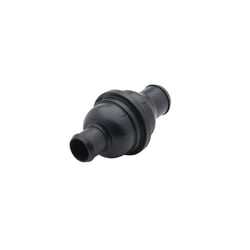
Flow Rite MPV-01-FN-01 V1 2-Position Shut Off Valve with Barbed Connection


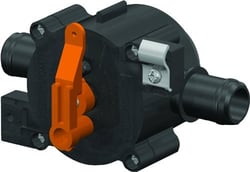
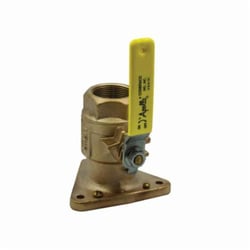

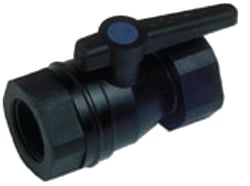
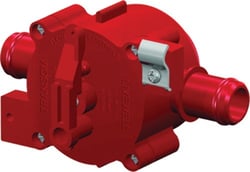
Flow Rite MPV-11-FN01 V1 2-Position Shut Off Valve with Quick Lock Connection
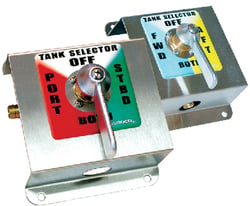
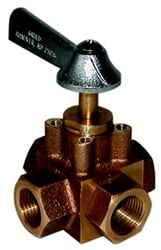
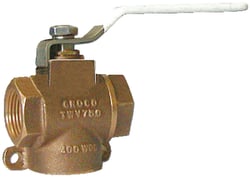
Groco TS-350-T 4-Way Tank Selector Valve Kit with Stainless Steel Mounting Bracket
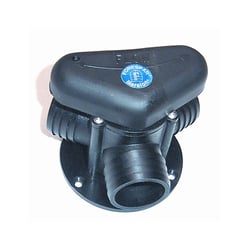

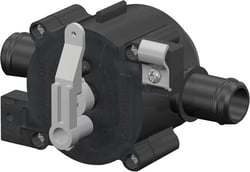
Flow-Rite MPV-02-RN01 V2 2-Position Automatic Livewell Valve with Rear Cable Approach
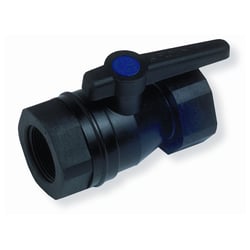
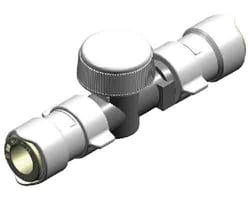

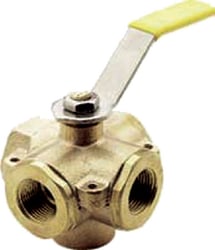
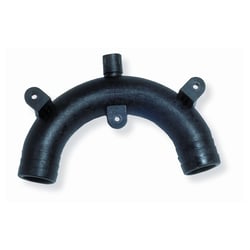
 Representative Photo, actual item may vary

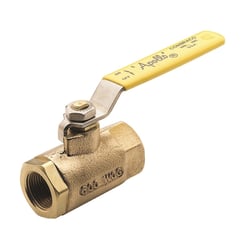

What Are Marine Ball Valves and Why Do They Matter?
A ball valve is one of the most fundamental plumbing components on any boat or RV — a simple quarter-turn mechanism that controls the flow of water, fuel, or other fluids through a pipe by rotating a drilled ball inside the valve body. In marine and RV applications, these components are subjected to constant moisture, vibration, and pressure cycles that would quickly defeat hardware-store-grade fittings. Choosing the right ball valve isn't just a matter of convenience; below the waterline, it can be a matter of safety. A seacock-style ball valve is the last line of defense between your bilge and the open water.
Key Considerations When Shopping Marine Ball Valves
Before selecting a ball valve for your vessel or RV, consider the following factors:
- Material: Bronze and engineered polymer composites dominate the marine market. Each has distinct advantages — bronze offers time-tested strength, while modern polymer composites eliminate corrosion and electrolysis concerns entirely.
- Location: Valves used below the waterline must meet stricter standards (ABYC H-27, UL marine listings) than those used in freshwater or above-deck applications.
- Thread Type: NPT (tapered), NPSM (straight), and BSPP are the most common thread standards. Matching threads correctly prevents leaks and cross-threading.
- Flow Rating: Full-flow valves maintain the same internal diameter as the pipe, minimizing pressure drop — important for thru-hulls, raw-water intakes, and livewell systems.
- Access: In tight engine compartments or below-deck installations, look for valves with ratchet-compatible handles or locking features for easier operation.
Top Brands in Marine & RV Ball Valves
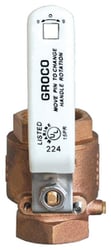
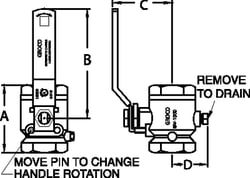
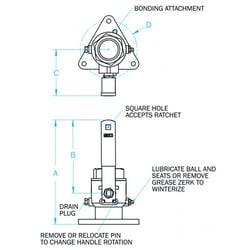
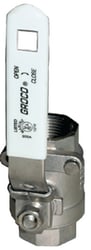
Groco has been building quality marine products since 1918 and is one of the most respected names in marine plumbing. Their IBV Series full-flow inline ball valves feature rugged bronze bodies, chrome-plated brass balls with PTFE seats and seals, and stainless steel handles. A standout engineering detail is the patented selectable handle rotation, which lets you choose the closed-position orientation that best suits your installation — a genuine problem-solver in cramped engine rooms. Larger sizes include a grease zerk fitting so you can lubricate the valve in place without dismantling it. Groco valves are UL listed for fuel service and rated at 400 WOG (Water, Oil, Gas).
Forespar takes a fundamentally different approach with their Marelon® ball valve lineup. Marelon is a proprietary formulation of polymer composite compounds that delivers high strength and complete immunity to corrosion and electrolysis — two of the most common failure modes for metallic valves in saltwater environments. Their MF 850 Series ball valves are precision-molded in glass-reinforced Marelon and are suitable for use both above and below the waterline. Forespar Marelon ball valves and thru-hull fittings meet and exceed ABYC H-27 and ISO 9093-2 standards, and their broad operating temperature range makes them dependable in virtually any climate.
Bendix Brakes brings its reputation for precision valve engineering — honed through decades of work in commercial vehicle air-brake systems — to ball valve applications. Known for building components that meet and exceed demanding performance and safety standards, Bendix is a trusted name for operators who need reliable flow-control hardware built to withstand heavy-duty use cycles.
Choosing the Right Valve for the Job
For critical below-waterline applications like seacocks and raw-water intakes, prioritize valves that carry ABYC or UL marine certifications. For freshwater, sanitation, or above-deck plumbing, a wider range of materials and configurations will work reliably. Always verify thread compatibility before installation, and consider valve accessibility — the easier a valve is to operate in an emergency, the safer your vessel will be.