



Quicksilver Manifolds/Risers/Elbows
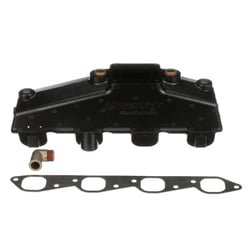
Quicksilver 807078T08 Exhaust Manifold for MerCruiser V8 454/502 CID Engines

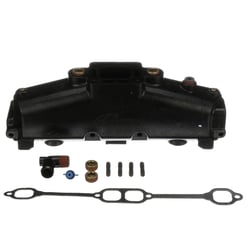
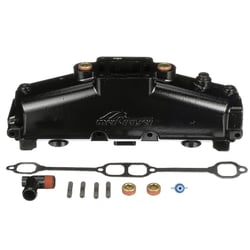
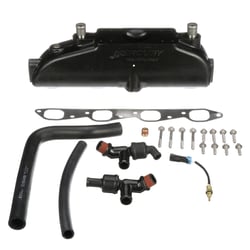
Quicksilver 866178A02 Exhaust Manifold Conversion Kit 496 Magnum 8.1S MerCruiser
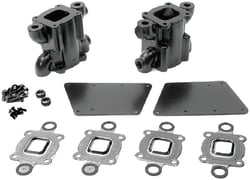
Quicksilver 864908A1 6-Inch Dry Joint Riser Kit Standard Raw Water Cooling MerCruiser
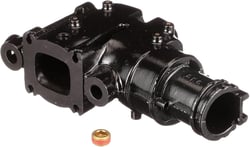
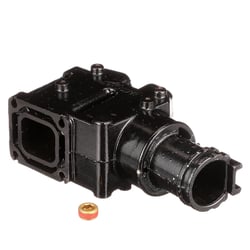
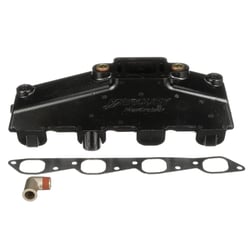
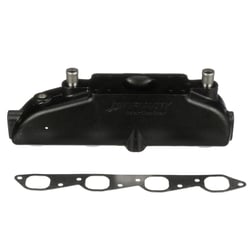
Quicksilver 866178T01 Exhaust Manifold for MerCruiser 8.1L 8.2L Non-EC Engines
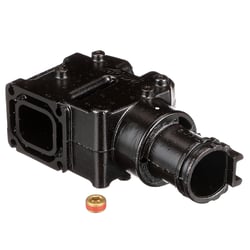
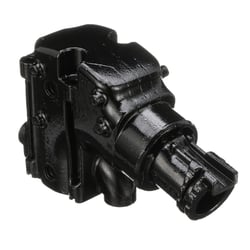
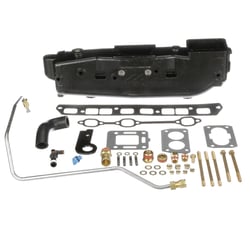
Quicksilver 860235A03 Exhaust Manifold Kit for MerCruiser 3.0L L and LX Sterndrives
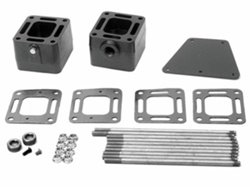
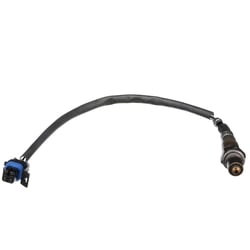
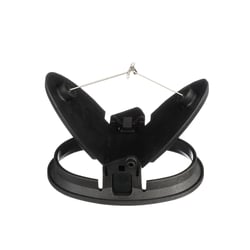
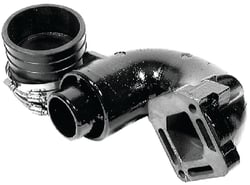
Quicksilver 12076A2 MerCruiser Exhaust Elbow for MCM 3.0L / 3.0LX Engines 1995+
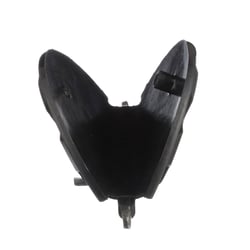
Quicksilver 60930 Water Shutter Flapper for MerCruiser Sterndrive Exhaust Systems
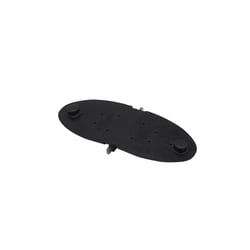
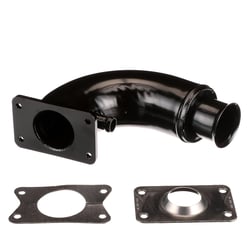
Quicksilver 865331A02 Exhaust Elbow Standard Rise for MerCruiser 496 Magnum & 8.2L Magnum
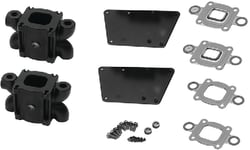
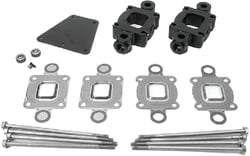
Quicksilver 865996A01 1.7-Inch Dry Joint Exhaust Riser Kit for MerCruiser FWC Engines
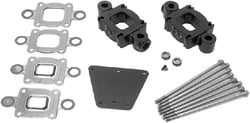
Quicksilver 865995A01 1.7in Dry Joint Exhaust Riser Extension Spacer Kit MerCruiser V6 V8
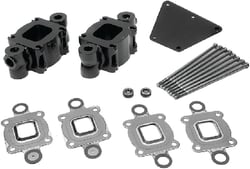
Quicksilver 864929A3 3-Inch Dry Joint Exhaust Riser Extension Kit for MerCruiser V6/V8
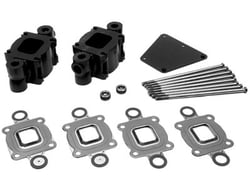
Quicksilver 864929A1 3-Inch Dry Joint Exhaust Riser Extension Kit for MerCruiser V6 V8 Raw Water Cooling
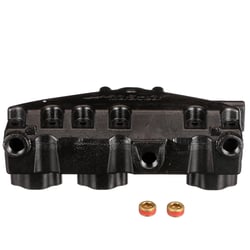
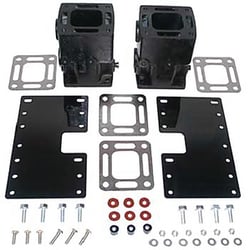
Quicksilver 93320A14 3-Inch Exhaust Riser Spacer Kit for MerCruiser Stainless Steel Elbows
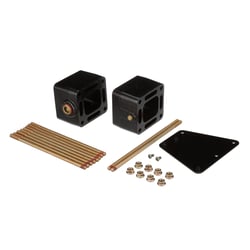
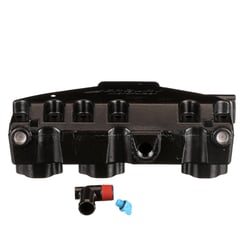
Quicksilver 99746A17 Exhaust Manifold Kit for MerCruiser V6 4.3L Sterndrive & Inboard Engines
- 1
- 2
What Are Marine Exhaust Manifolds, Risers, and Elbows?
Few components in a marine engine system carry more responsibility — or face a harsher environment — than the exhaust manifold, riser, and elbow. Together, these three parts form the backbone of your boat's exhaust system, channeling hot combustion gases away from the engine, keeping cooling water flowing properly, and acting as the last line of defense against catastrophic water intrusion.
The exhaust manifold bolts directly to the side of the engine block and collects extremely hot gases as they exit each cylinder through the exhaust valves. From there, the gases travel upward through the riser — a water-jacketed casting shaped roughly like an inverted "U" — before continuing through the exhaust hose and out of the boat. When the engine sits high enough above the waterline, a down-angled elbow may be used in place of, or in addition to, a riser. The terms "riser" and "elbow" are sometimes used interchangeably, but they can also be separate, distinct components depending on the engine and installation.
How the Water-Jacket System Works
What makes these parts unique in marine applications is their double-walled, pipe-within-a-pipe construction. The inner passage carries scalding exhaust gases, while the outer layer — called the water jacket — circulates cooling water around the inner pipe to prevent dangerous heat buildup. At the end of the riser or elbow, this cooling water is injected into the exhaust stream, mixing with the gases before everything exits overboard. Without this continuous cooling, exhaust gases would quickly overheat and burn through downstream components like the exhaust hose.
A critical function of the riser is elevation: it raises the exhaust path above the waterline so that seawater cannot flow backward into the engine. If water does find a path back through a failed or corroded riser, it can enter the engine's cylinders, causing a condition called hydro-lock — where the incompressible water prevents the piston from completing its stroke, often resulting in catastrophic, irreparable engine damage.
Why These Parts Fail — and When to Replace Them
Manifolds, risers, and elbows live in an extraordinarily punishing environment. They endure extreme heat cycles, constant vibration, and — in saltwater applications — relentless corrosion from raw water passing through the water jacket. Scale and rust accumulate over time inside the passages, restricting cooling water flow and leading to overheating. Eventually, corrosion eats through the wall separating the water jacket from the exhaust chamber, and cooling water leaks into places it should never go.
In saltwater environments, cast iron risers and elbows typically require inspection beginning at two to three years and may need replacement every four to seven years depending on usage, water conditions, and whether the system uses raw-water or closed (freshwater) cooling. Manifolds used with a closed cooling system generally last longer than those constantly exposed to raw saltwater. Freshwater-only boats can see dramatically extended component life. Regardless of operating environment, proactive inspection — removing risers to check gasket surfaces, interior wall thickness, and signs of scaling — is far less costly than waiting for a failure that offers little to no warning.
Dry Joint vs. Wet Joint Designs
One important distinction when shopping for replacement risers is whether your system uses a wet joint or dry joint design. In dry joint systems, the water passages are positioned farther from the exhaust pathway, employing separate gasket sections to isolate the two. This design reduces the risk of water backflow and generally extends service life compared to older wet joint configurations. If your vessel uses an older wet joint setup, upgrading to a dry joint design during replacement is often worthwhile for the added protection it provides.
Key Considerations When Shopping
- Engine compatibility: Manifolds, risers, and elbows must match your specific engine make, model, and year exactly — even small dimensional differences can compromise sealing.
- Cooling system type: Know whether your engine uses raw-water cooling, a half-system (freshwater block / raw-water exhaust), or a full closed-cooling system. This affects which components need replacing and how often.
- Material: Most factory components are cast iron, which handles thermal cycling well but corrodes in saltwater. Stainless steel options offer better corrosion resistance but come with their own installation considerations.
- Riser height and extensions: The riser must keep the exhaust outlet a safe distance above the static waterline. If your setup requires spacer extensions to achieve this height, factor those into your replacement purchase.
- Gaskets: Always replace gaskets when reinstalling or replacing risers and manifolds — old gaskets should never be reused, as a compromised seal can allow water ingestion even with new hardware.