



Anodes


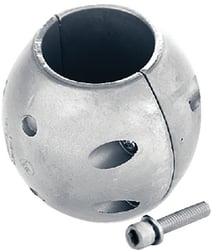
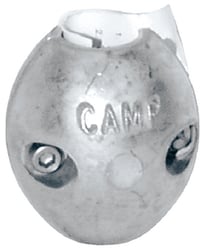
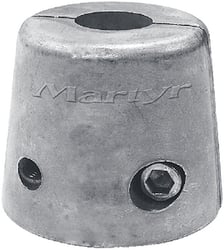
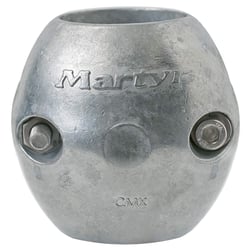
Martyr Anodes CMX06AL Streamlined Shaft Anode with Stainless Steel Allen Screw - Aluminum
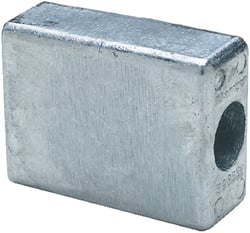
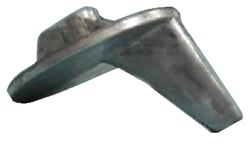
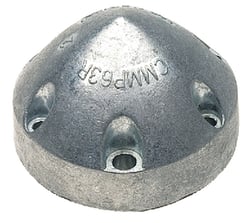
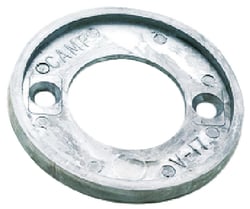
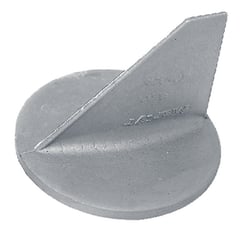
Martyr Anodes CM398331A Replacement Anode for BRP OMC Johnson Evinrude Outboards
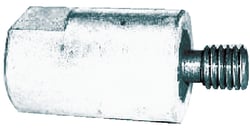
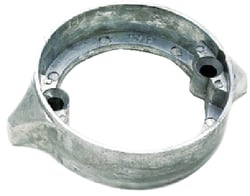
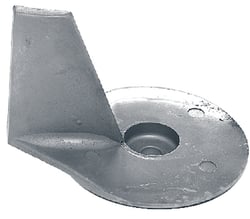
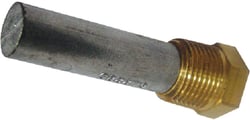
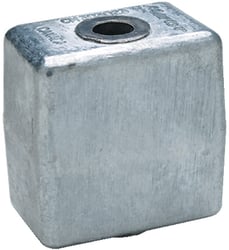
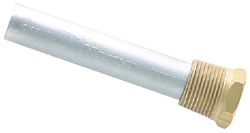
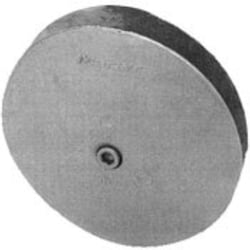
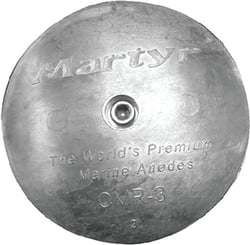
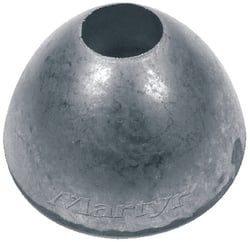
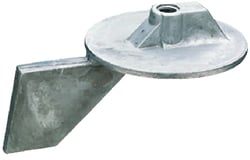
Martyr Anodes CMR02S Streamlined Rudder Zinc Anode with Slotted Stainless Steel Hardware
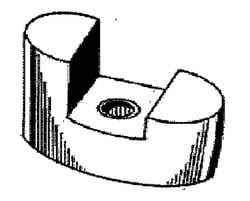
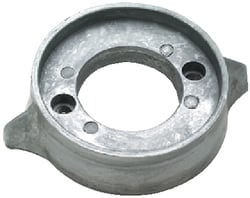
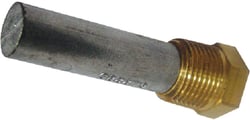
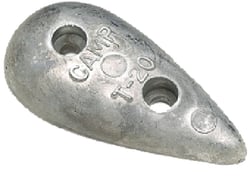
Martyr Anodes CMX05M Streamlined Shaft Anode with Stainless Steel Allen Head, Magnesium
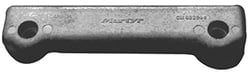
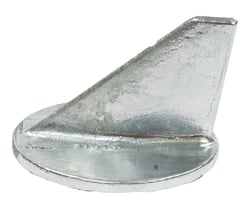

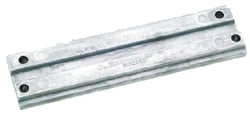
What Are Marine Anodes and Why Does Your Boat Need Them?
Sacrificial anodes are one of the most important — and most overlooked — forms of boat maintenance. Individual anodes and zincs are small pieces of reactive metal fastened to underwater surfaces that act as the first line of defense against galvanic corrosion. When dissimilar metals are submerged together in an electrolyte like saltwater, an electrochemical reaction begins to eat away at one of them. By attaching a sacrificial anode — a metal that is even less "noble" than the components you want to protect — you redirect that corrosive energy away from propellers, shafts, rudders, and outdrives, and toward the anode itself.
The principle is straightforward: the anode corrodes so your boat doesn't have to. Without proper anode protection, galvanic corrosion can destroy aluminum lower units, pit bronze propellers, and structurally weaken propeller shafts — all while the boat sits quietly at the dock.
Choosing the Right Anode Material
Anodes are available in three primary alloys, and choosing the right one depends entirely on where you boat:
- Zinc: The traditional choice for saltwater use. Zinc anodes are durable, widely available, and effective in full-salinity marine environments, though they are not well-suited for freshwater where they can passivate and lose effectiveness.
- Aluminum: A versatile all-around option that works in both saltwater and brackish water. Aluminum anodes are lighter and longer-lasting than zinc, and are increasingly considered the best general-purpose choice for most boaters.
- Magnesium: The go-to for freshwater applications. Magnesium is highly electrochemically active, providing the stronger protective force needed in low-conductivity freshwater environments — but it corrodes too rapidly for use in saltwater.
As a rule of thumb, anodes should be inspected at least once a season and replaced when they have eroded to approximately half their original size. Waiting too long leaves critical metal components exposed and unprotected.
Individual Anodes vs. Anode Kits
You can purchase anodes individually or as part of a complete set. Browse our Anodes/Zincs selection for individual hull anodes, shaft anodes, trim tab anodes, rudder anodes, and engine cooling system anodes. If you own a sterndrive or outboard with multiple anode locations, our Anode Kits provide everything needed in a single purchase — typically including all the anodes and hardware required for a specific engine model or drive system. Kits are available for major platforms including MerCruiser, Volvo Penta, Yamaha, and more.
Top Anode Brands
Martyr Anodes is the dominant name in marine cathodic protection. A brand under Canada Metal (Pacific) Ltd., Martyr has specialized in sacrificial anodes since the early 1900s and is notable for being the only manufacturer to offer all three alloys — zinc, aluminum, and magnesium — across a catalog of over 1,000 anode types, all manufactured to meet or exceed U.S. Military specifications.
Camp Zinc offers a solid selection of proven zinc anodes trusted by recreational boaters and commercial operators alike, providing reliable saltwater corrosion protection across a broad range of hull and drive applications.
Seachoice brings accessible, value-oriented anode solutions to the market, covering a focused range of high-demand applications that make them a popular choice for maintenance-minded boaters.
Sierra is a well-regarded marine parts brand known for precise OEM fitment, and their anode offerings maintain that same commitment to compatibility and quality across popular outboard and sterndrive platforms.
B & S Anodes rounds out the lineup with a range of specialty and hard-to-find anode profiles, useful for boaters sourcing replacements for less common drive systems or hull configurations.