



Fuse Blocks
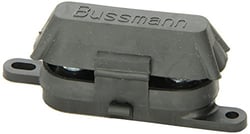


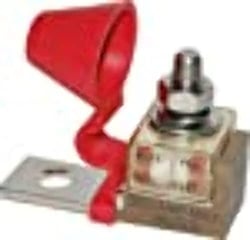
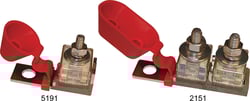
Blue Sea Systems 5191BSS Battery Terminal Fuse Block 30-300 Amps Single Circuit
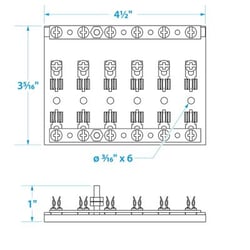
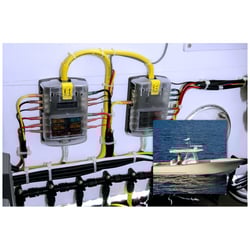
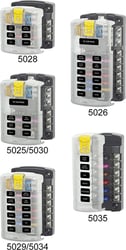
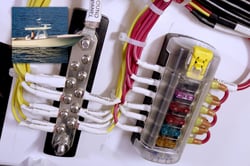
Blue Sea Systems 5025 ST Blade ATO/ATC Fuse Block 6 Circuit with Negative Bus and Cover
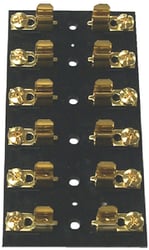

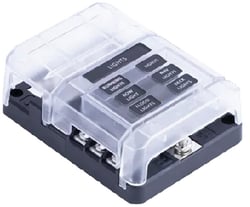
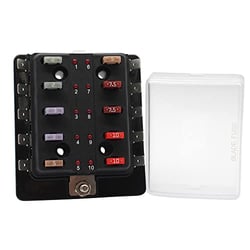

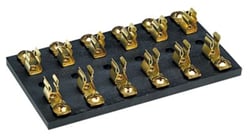
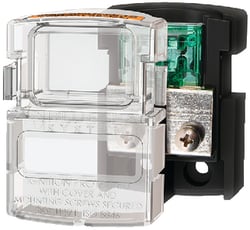
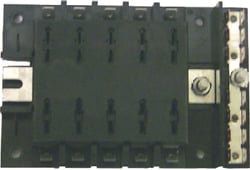
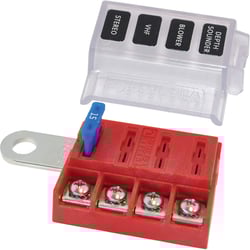
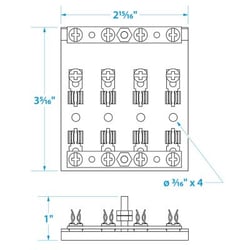

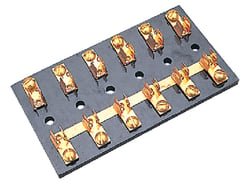

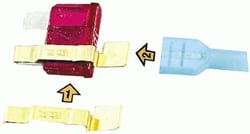

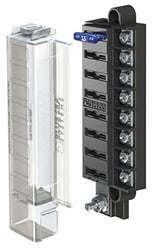
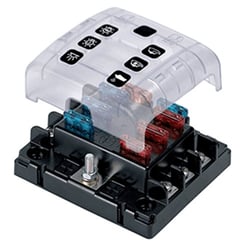

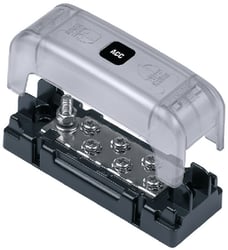
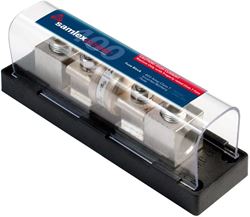

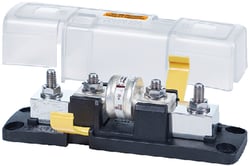
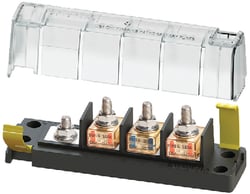
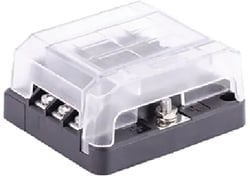
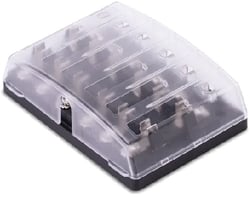
Sierra FS40920 409 Series 6-Gang Fuse Block with Independent Circuits and Cover
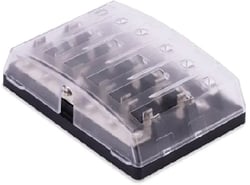
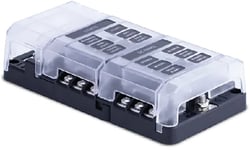
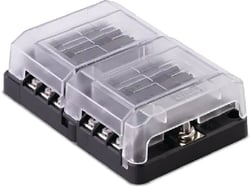
 Representative Photo, actual item may vary
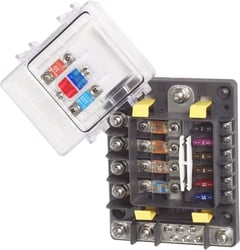
Blue Sea Systems 7748BSS Safety Hub 150 Fuse Block - 10 Circuit 600A Distribution Panel
What Are Fuse Blocks and Why Do They Matter?
A fuse block is the backbone of any well-organized marine or RV electrical system. Rather than running individual inline fuses to every circuit, a fuse block consolidates all of your overcurrent protection into a single, accessible location. When a fault occurs, the fuse is designed to fail first, interrupting power before wiring or connected equipment is damaged — helping reduce the risk of costly repairs and, more critically, lowering the chance of electrical fires in confined engine rooms and distribution panels.
In boats and RVs, the demands on electrical components go well beyond what standard automotive applications require. Vibration, heat, and moisture are constant factors. That's why marine-grade fuse blocks are built from materials like heat-resistant polymers and feature corrosion-resistant bus bars, nickel-plated contacts, and sealed or semi-sealed enclosures designed to withstand the elements. Whether you're protecting navigation electronics aboard a center console or managing shore power circuits in a Class A motorhome, choosing the right fuse block is as important as any other wiring decision.
Key Considerations When Shopping for Fuse Blocks
- Number of circuits: Choose a fuse block with enough positions for your current needs plus room for future additions.
- Fuse type compatibility: Common marine and RV formats include ATC/ATO blade fuses, AGC glass fuses, and high-amperage MRBF (Marine Rated Battery Fuse) types. Make sure the block matches your fuse style.
- Mounting location: Blocks installed in exposed or damp areas should be watertight or splash-resistant; blocks in protected lockers can use more accessible open-face designs.
- Amperage rating: Confirm the block's total and per-circuit amp ratings can handle the loads of all connected devices.
- Bus bar construction: Solid brass or tin-plated copper bus bars offer better corrosion resistance in saltwater and high-humidity environments.
Top Brands in Marine & RV Fuse Blocks
Bussmann is one of the most recognized names in circuit protection, with a history spanning over 100 years. Now part of Eaton, Bussmann offers a comprehensive line of fuse blocks tailored specifically for marine, RV, and off-road applications — including the widely trusted MRBF terminal fuse block series designed to mount directly to battery posts and their multi-pole ATC panels with LED blow indicators for fast diagnostics.
Cole Hersee is a pioneer and leader in heavy-duty electrical products for the vehicle industry, with a reputation built on quality and durability. Their marine fuse blocks feature nickel-plated phosphor-bronze fuse clips and solid brass bus bars, terminals, and terminal screws — construction details that stand up to the corrosive marine environment over the long haul.
Littelfuse brings broad engineering expertise to the marine fuse block category, offering a comprehensive line of fuse blocks, fuse holders, and accessories across automotive, electronic, and marine markets. Their products include options for screw, pressure plate, and box-lug wire terminations, making it easy to find a solution that matches your wiring and vibration requirements.
Inline vs. Consolidated Fuse Blocks
For simple builds with just a few circuits, inline fuse holders placed along each wiring run can work well. But as the number of onboard circuits grows — lighting, pumps, electronics, inverters, and more — a consolidated fuse block offers better organization, accessibility, and long-term reliability. Multi-circuit panels also make troubleshooting far easier: instead of tracing wires throughout a bilge or behind wall panels, all your fuse positions are in one place, often with clear covers and labeled positions to identify circuits at a glance.