



Inverters
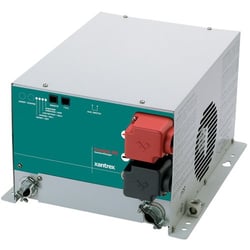
Xantrex Technologies 81-2010-12 Freedom 458 2000W Modified Sine Wave Inverter/Charger 12V DC

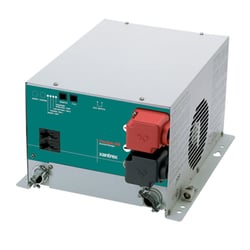
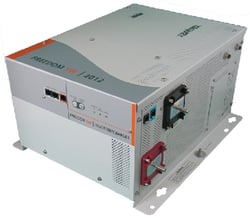


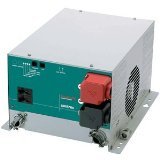
Xantrex Technologies 81253012 Freedom 458 Inverter Charger 2500W Modified Sine Wave
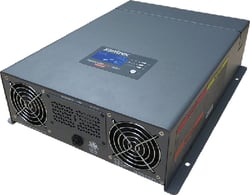
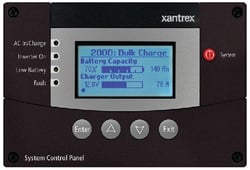
Xantrex Technologies 809-0921 Xanbus System Control Panel for Freedom SW Inverter Chargers
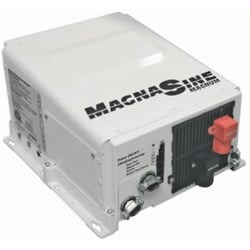
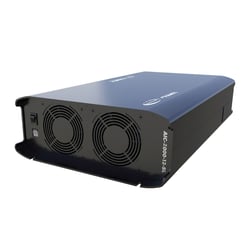
Go Power 83402 AIC2000-12SL 2000W Advanced Pure Sine Wave Inverter Charger with 100A Charger and 30A ATS

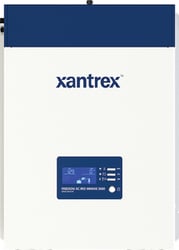
Go Power 83742 SSW-1800-12-HW: 1800W SMART SINE WAVE INVERTER - HARD-WIRE - 12V - PT READY
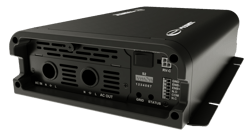
Go Power 83403 ASW-1800-12-TS 1800W Advanced Sine Wave Inverter with 30A Transfer Switch
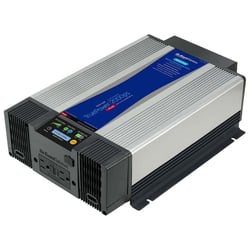

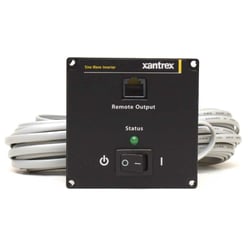
Xantrex Technologies 8081800 PROsine Remote Interface Panel for Inverter LCD Display
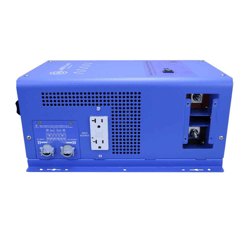
AIMS Power PICOGLF30W12V120V 3000W Pure Sine Wave Inverter Charger 12V DC to 120V AC
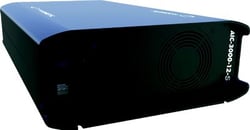
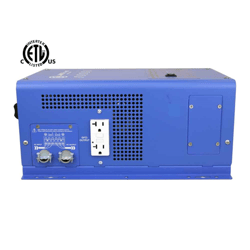
AIMS Power PICOGLF20W12V120V 2000W Pure Sine Inverter Charger 12V DC to 120V AC
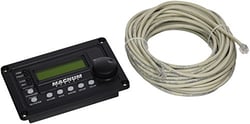
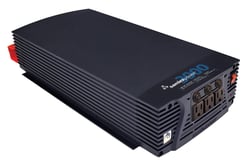
Samlex NTX-3000S-12 Pure Sine Wave Power Inverter DC to AC Inverters - 3000W 12V 120V

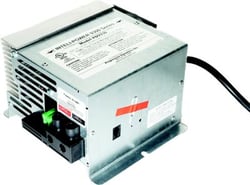
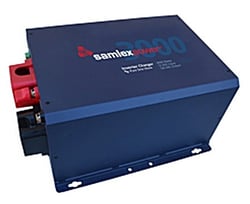
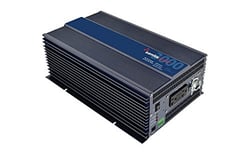
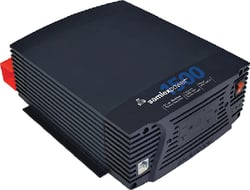
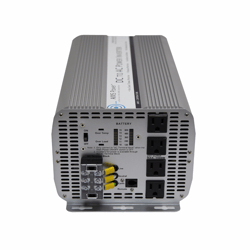
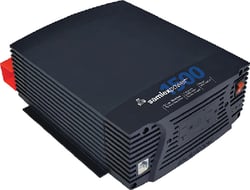
Samlex NTX-1000-12 Pure Sine Wave Inverter DC to AC Inverters - 1000W 12V 120V
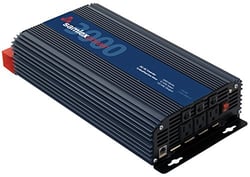
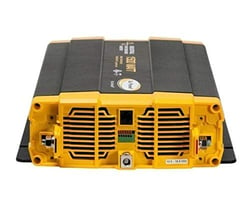
Go Power 83826 SSW-1500-12 1500W Smart Sine Wave Inverter with GFCI 12V Passthrough Ready
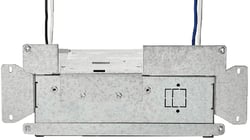

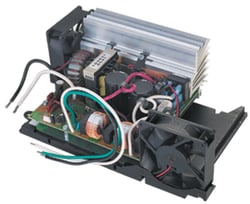
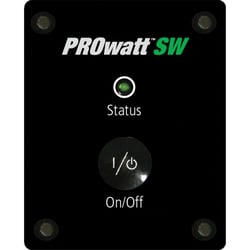
Xantrex Technologies 8089001 Remote Panel with 25' Cable for PROwatt SW Inverters
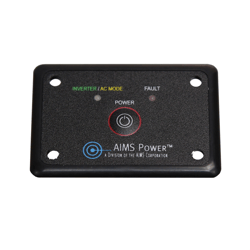
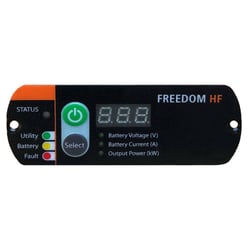
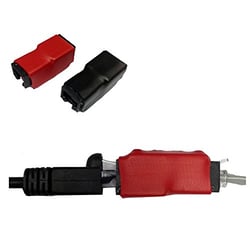
Xantrex Technologies 8089010 Telephone to Network Cable Adapter for Freedom SW Remote
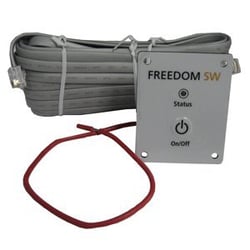
Xantrex Technologies 8089002 On/Off Remote Control Panel with 25' Cable for Freedom SW Inverter
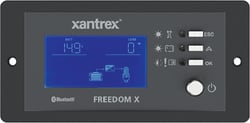
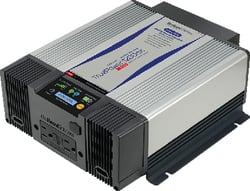
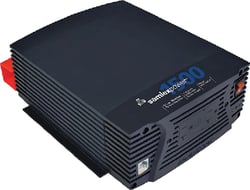
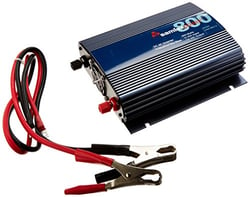
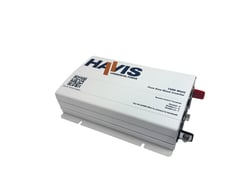
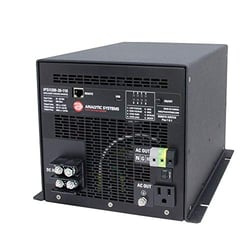
Analytic Systems IPSI1200-20-110 Pure Sine Wave Inverter 1200W 20-40V to 110V
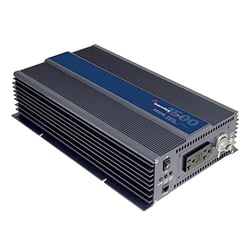
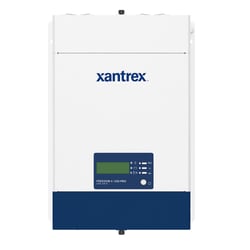
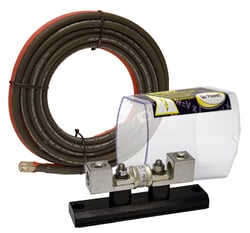
Go Power GPDCKIT5 DC Inverter Installation Kit for 2600-3000W 12V / 4100-6000W 24V Inverters
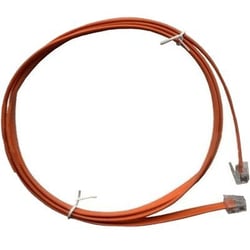
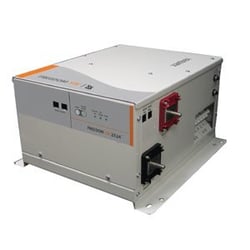
Xantrex Technologies 815-2524-02 Freedom SW2524 True Sine Wave Inverter/Charger 2500W 24V 230VAC 50Hz
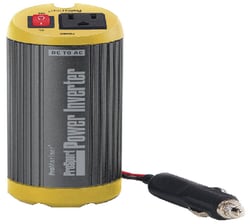
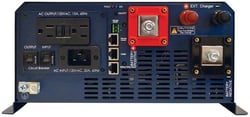
Samlex EVO-1224F-HW 1200W Pure Sine Wave Inverter Charger 24V 120VAC Hardwired
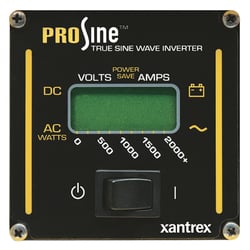
Xantrex Technologies 808-1802 PROsine Remote LCD Display Panel with 25ft Cable
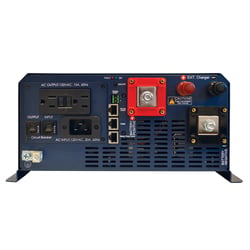
Samlex EVO-1224F Pure Sine Wave Inverter Charger 1200W 24V Input 120V Output
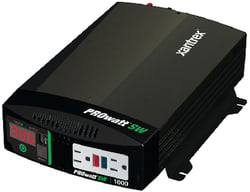
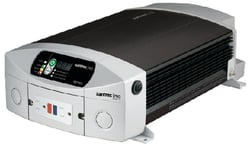
Xantrex Technologies 806-1010 XM1000 1000W Modified Sine Wave Inverter with Transfer Switch
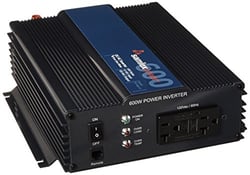
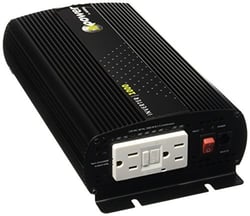
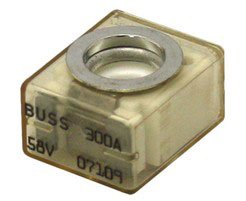
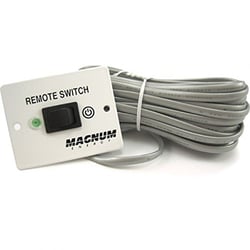
- 1
- 2
What Is a Power Inverter and Why Does It Matter?
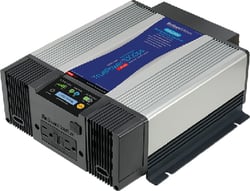
Whether you're anchored in a quiet cove or dry-camping miles from the nearest hookup, a power inverter is the essential link between your battery bank and the appliances that make life comfortable off the grid. An inverter converts stored DC (direct current) battery power into AC (alternating current) electricity — the same type of power that comes from a standard wall outlet at home. Without one, your microwave, laptop, CPAP machine, entertainment system, or power tools simply won't run from your RV or boat's battery system.
Pure Sine Wave vs. Modified Sine Wave
The single most important specification to understand when shopping for an inverter is its output waveform. Pure sine wave inverters produce a smooth, clean current that is virtually identical to utility grid power, making them safe for sensitive electronics like computers, medical equipment, and modern appliances with variable-speed motors. Modified sine wave inverters produce a stepped approximation of AC power that works well for simpler loads — power tools, basic lighting, and resistive heating elements — at a lower cost. If your power needs include anything with a microprocessor or a brushless motor, the pure sine wave option is the safer long-term investment.
Key Considerations When Choosing an Inverter
- Continuous Wattage: Size your inverter to handle the total wattage of everything you plan to run simultaneously, with some headroom to spare.
- Surge Capacity: Motors and compressors draw a large spike of power at startup. Confirm your inverter's surge rating exceeds those startup demands.
- Inverter vs. Inverter/Charger Combo: An inverter/charger combines an inverter, a multi-stage battery charger, and an automatic transfer switch in a single unit — ideal for RV and marine installations where space is premium and seamless switching between shore power and battery is a must.
- Voltage Input: Match the inverter's DC input voltage (12V, 24V, or 48V) to your battery bank configuration.
- Certifications: Look for UL 458 or ETL listings, which confirm the unit meets recognized safety standards for RV and marine environments.
Top Inverter Brands for RV & Marine
Xantrex Technologies is one of the most recognized names in mobile power. Xantrex offers a comprehensive lineup spanning stand-alone inverters and sophisticated inverter/charger combos — including the flagship Freedom series — built specifically for RV and marine environments. Their products are engineered to meet FCC Class B regulations and UL 458 safety standards, and many RV manufacturers and boat builders rely on Xantrex as their factory-installed power solution.
AIMS Power delivers an exceptionally broad range of inverters, from compact modified sine wave units to high-capacity pure sine wave systems capable of powering demanding loads. AIMS inverters are available in 12V, 24V, and 48V configurations and are ETL listed to UL standard 458 and CSA certified, making them a strong choice for users who need flexibility and heavy-duty performance across RV, marine, and off-grid applications.
Go Power has grown from its roots as a solar energy specialist into one of North America's leading suppliers of mobile power solutions. Go Power inverters range from compact 200W pure sine wave models to 3,000W industrial-grade units, and many models are marine-certified with built-in overload, over-temperature, and low-battery protection — making them a reliable fit for both boaters and RV enthusiasts alike.
Progressive Dynamics brings decades of experience in RV power management to its inverter lineup. Well-regarded for engineering reliability and ease of integration with existing RV electrical systems, Progressive Dynamics inverters are a favorite among full-time RVers who depend on consistent, worry-free power day after day.
Magnum is a respected name among serious off-grid and marine power users, known for producing robust inverter/charger systems that pair well with solar and battery bank setups. Magnum units are frequently chosen for larger RV and marine installations where high continuous output and advanced system monitoring are required.