



Inverters
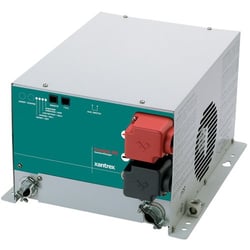
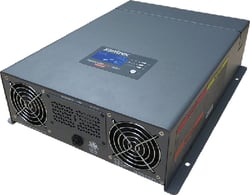
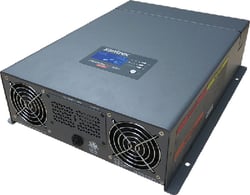
Xantrex Technologies 81-2010-12 Freedom 458 2000W Modified Sine Wave Inverter/Charger 12V DC

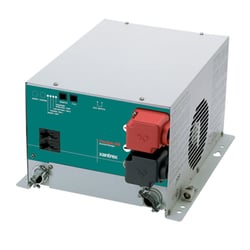
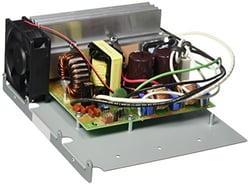
Progressive Dynamics PD4560CSV 60 Amp Inteli-Power Replacement Converter Section

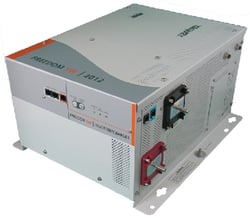
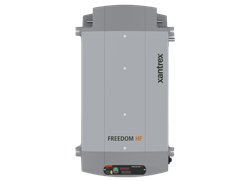
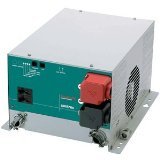
Xantrex Technologies 81253012 Freedom 458 Inverter Charger 2500W Modified Sine Wave
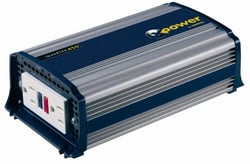
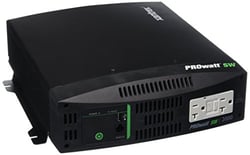
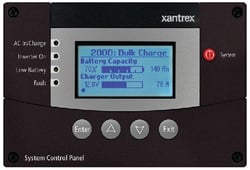
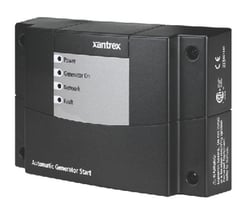
Xantrex Technologies 809-0921 Xanbus System Control Panel for Freedom SW Inverter Chargers
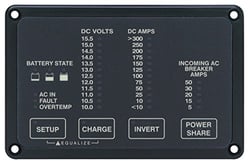
Xantrex 84-2056-01 Freedom Remote Control Panel for Inverter/Charger Systems
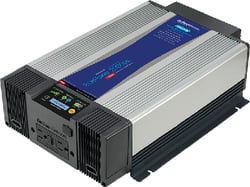

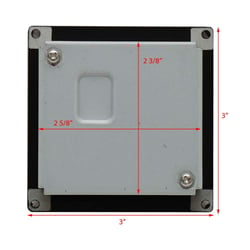
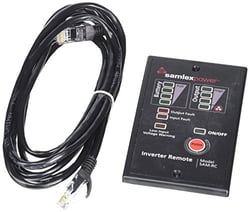
Xantrex Technologies 8081800 PROsine Remote Interface Panel for Inverter LCD Display
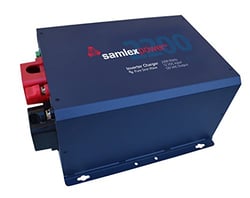
Samlex EVO-2212 2200W 12V Pure Sine Wave Inverter Charger with 100A Battery Charger


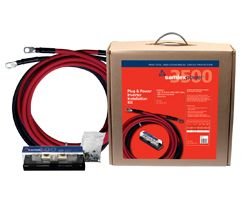
Samlex DC-3500-KIT 400A Fuse Inverter Installation Kit with 4/0 AWG Cables
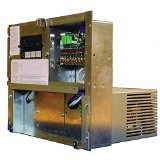
Parallax Power Supply 8355 55 Amp RV Power Center Converter Charger 30 Amp Service

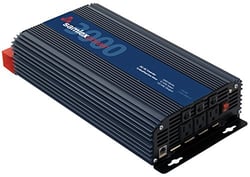
Samlex SAM-3000-12 Modified Sine Wave Power Inverter 3000W 12V DC to 115V AC
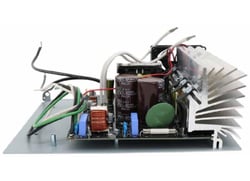
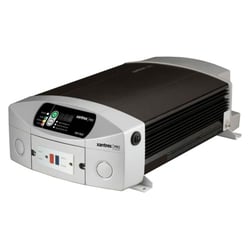
Xantrex 806-1810 XM1800 Modified Sine Wave Inverter with Transfer Switch 1800W 12V
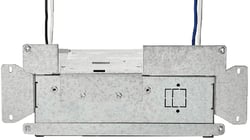
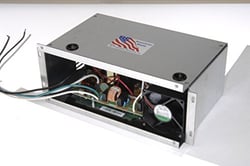
Progressive Dynamics PD4635V Inteli-Power 4600 Series RV Converter Charger 35 Amp
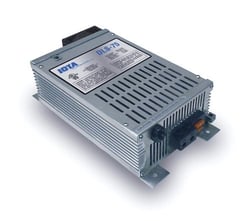

What Is an RV or Marine Inverter — and Why Do You Need One?
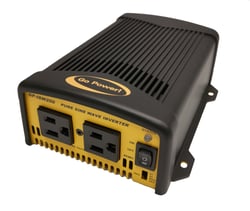
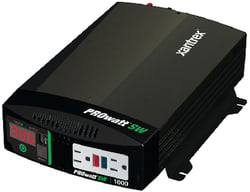
Whether you're boondocking in a remote canyon or anchored offshore without shore power, a power inverter is the essential link between your battery bank and the appliances, electronics, and tools that make life comfortable on the road or water. At its core, an inverter takes the DC (direct current) stored in your batteries and converts it into the AC (alternating current) that powers conventional household devices — laptops, microwaves, CPAP machines, televisions, and more.
Understanding which type of inverter fits your setup is the first step to getting it right. Pure sine wave inverters produce a smooth, consistent power output virtually identical to utility grid power, making them the preferred choice for sensitive electronics and motor-driven appliances. Modified sine wave inverters are a more economical option that handles most basic loads well, though some devices — particularly those with variable-speed motors or microprocessors — perform better on a pure sine wave signal.
Key Factors to Consider When Shopping for an Inverter
- Wattage (Continuous vs. Peak): Match the inverter's continuous watt rating to the total draw of the devices you plan to run simultaneously. Peak (surge) wattage handles the brief spike when motors start up.
- Waveform Type: Pure sine wave for sensitive electronics; modified sine wave for simpler resistive loads.
- Battery Compatibility: Modern inverters increasingly support both traditional lead-acid and newer lithium-ion battery chemistries — confirm compatibility before buying.
- Safety Features: Look for overload protection, thermal protection, low-voltage shutdown, and reverse-polarity protection to safeguard both the inverter and your electrical system.
- Install Type: Hardwired inverters deliver permanent, high-capacity solutions, while portable units offer flexibility for occasional use.
Top Inverter Brands for RV & Marine Applications
Progressive Dynamics is a trusted name in RV and marine electrical systems, with roots going back to 1964 in Marshall, Michigan. The company has expanded its power management lineup to include pure sine wave inverters engineered with the same rigorous standards applied to their industry-renowned converters. Progressive Dynamics inverters are designed, assembled, tested, and serviced in the USA, and the brand's engineering-focused approach means their products incorporate thoughtful safety features and broad battery compatibility.
Parallax Power Supply brings more than 50 years of RV electrical industry experience to the category. Known as a pioneer in RV power solutions, Parallax's product lineup spans converters, power centers, and inverter-compatible transfer switches, making them a natural choice for RV owners looking for a cohesive, reliable electrical ecosystem backed by North American manufacturing standards.
Inverters in the Broader RV & Marine Electrical System
An inverter rarely works alone. It's most effective when paired with properly sized batteries, a quality converter/charger to replenish those batteries from shore power or a generator, and — increasingly — a solar charge controller feeding energy from rooftop panels. Understanding how these components work together helps you build a system that delivers reliable power whether you're plugged into a campsite pedestal or completely off-grid. Browse our full selection of RV and marine inverters to find the right wattage, waveform, and form factor for your adventure.